Year: 2010

Network graph grouping: A small art world

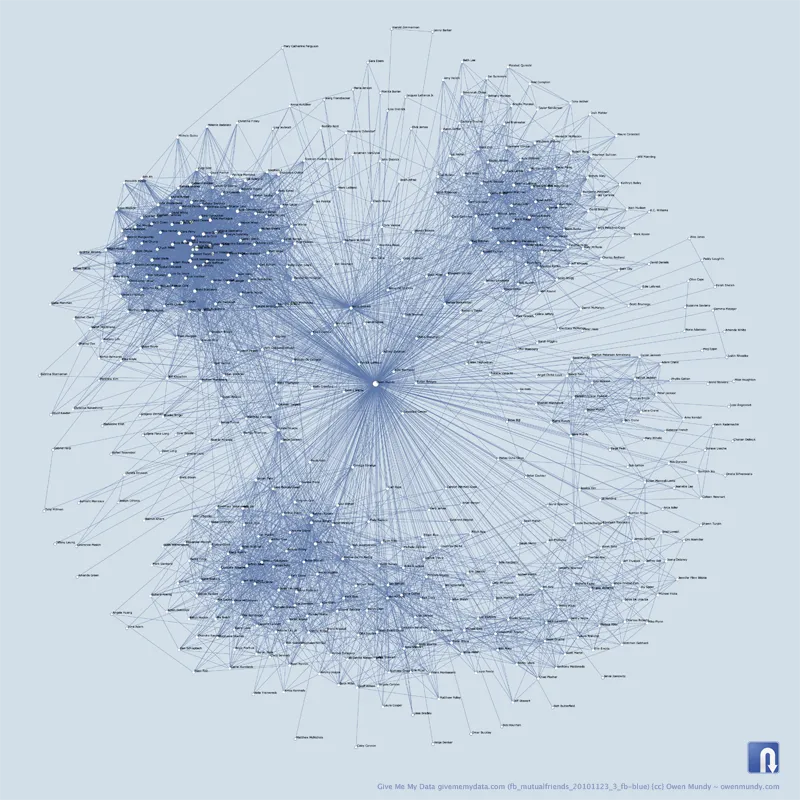
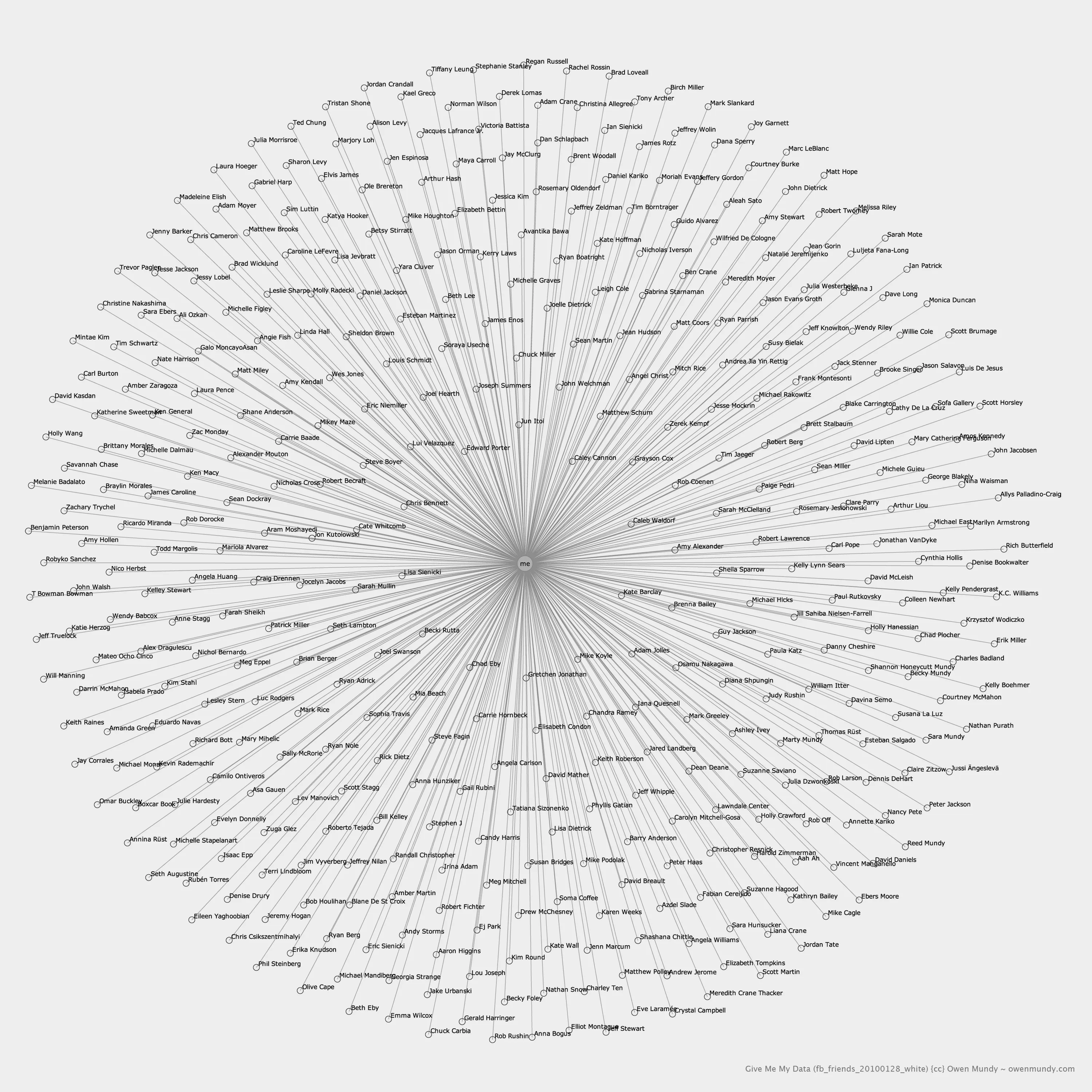
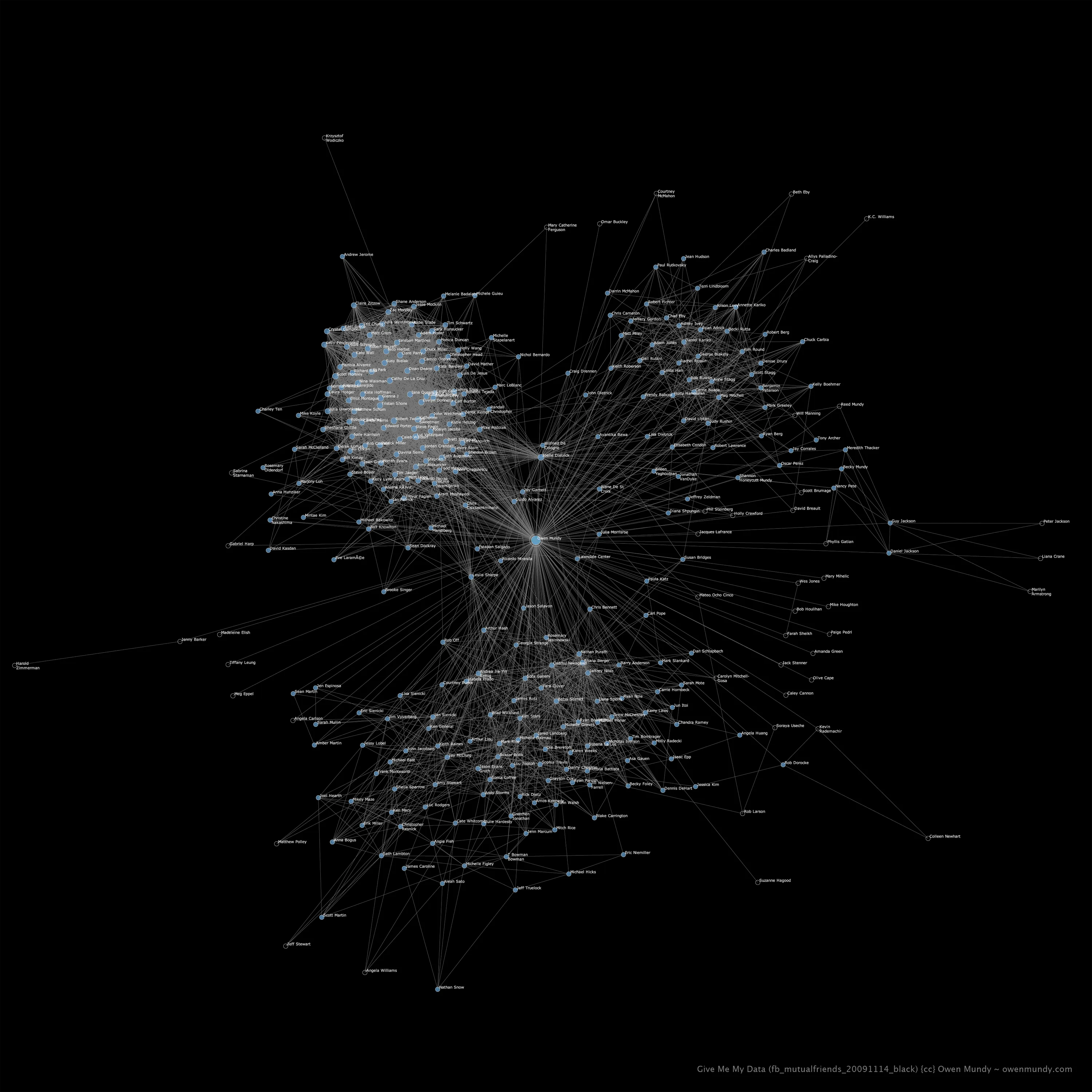
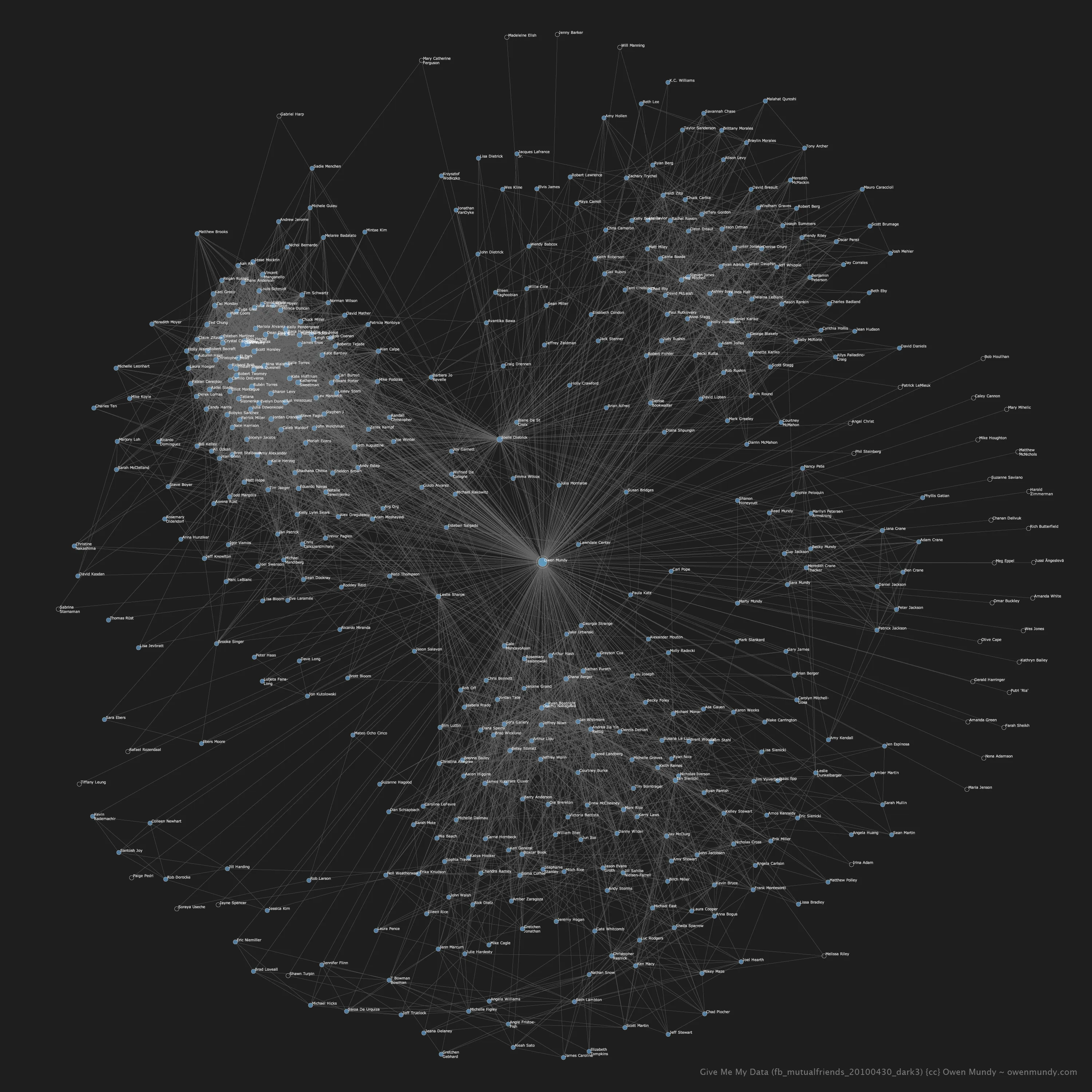
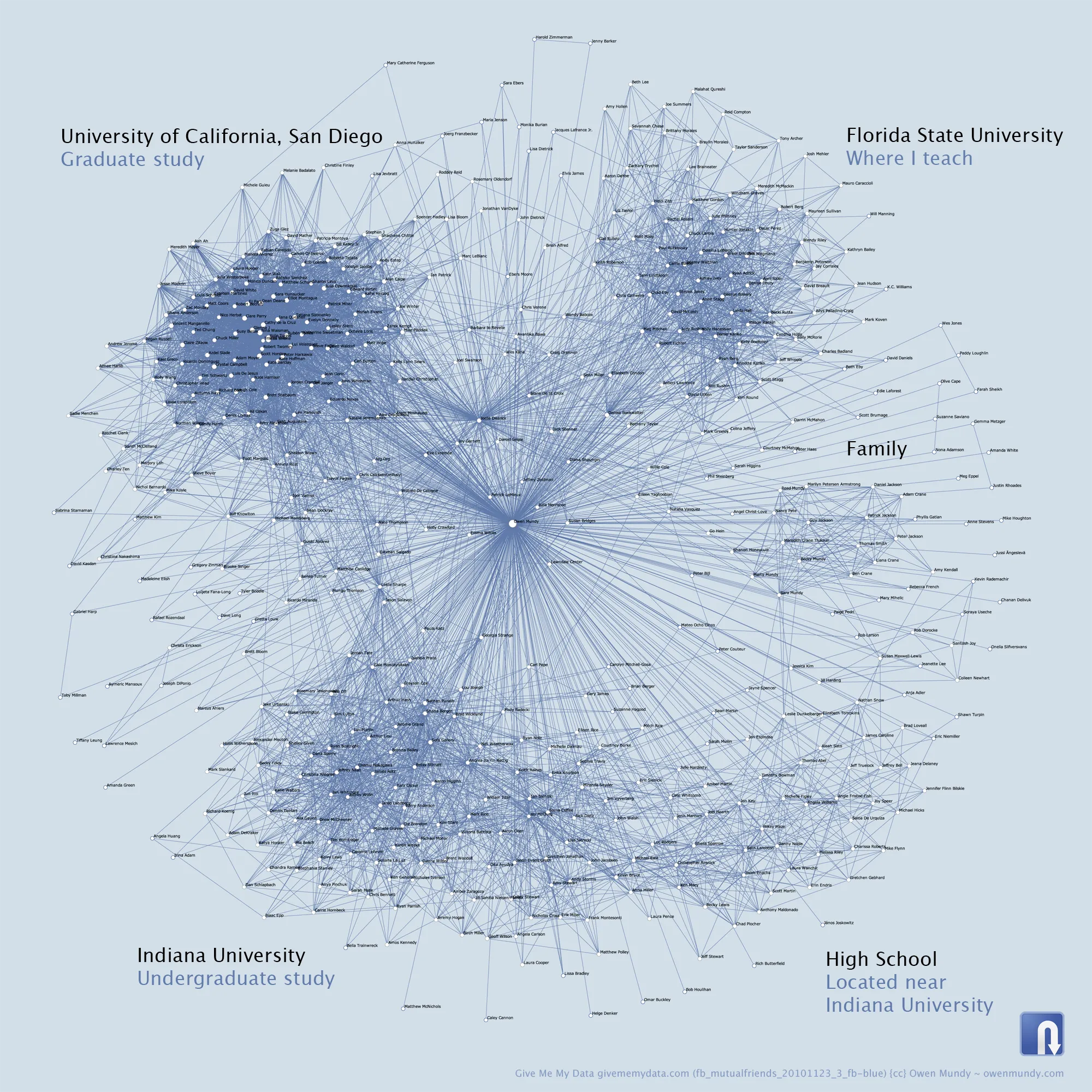
This “Mutual friends network graph” created with Nodebox using data I exported with Give Me My Data contains 540 “Facebook friends” and their connections to each other. When the graph renders it attempts to position people who have lots of connections closer together. With this you can see groups unfold based on your own social networks. Since I have spent more time in academia than I have at specific jobs my “clusters” are based mostly on my academic history.

You can also see that there are a lot of connections between my high school and where I did my undergraduate study, which is based on the fact they are located very close to each other, so friends from high school also chose the same university or town to live in. There are also a lot of interconnections between Indiana University where I did my undergrad, the University of California, San Diego, where I did graduate study, and Florida State University, where I teach now. This is probably due to the fact that my connections are all within a given field, in my case visual arts, and points to the often expressed notion that “the art world is actually very small.”

fb_mutualfriends_20101123_3_fb-blue_clusters_2000w

Random Hacks of Kindness (RHoK) and Google Person Finder

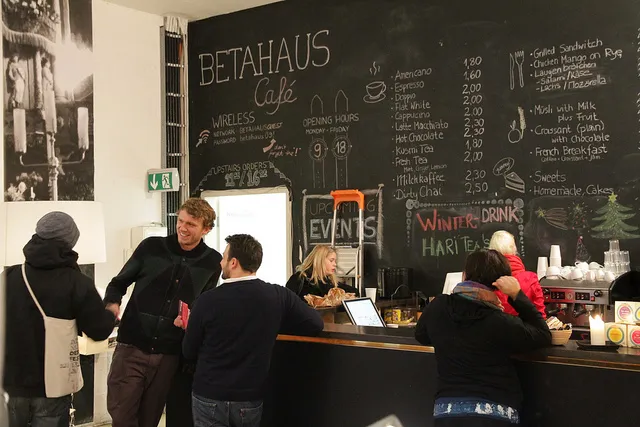
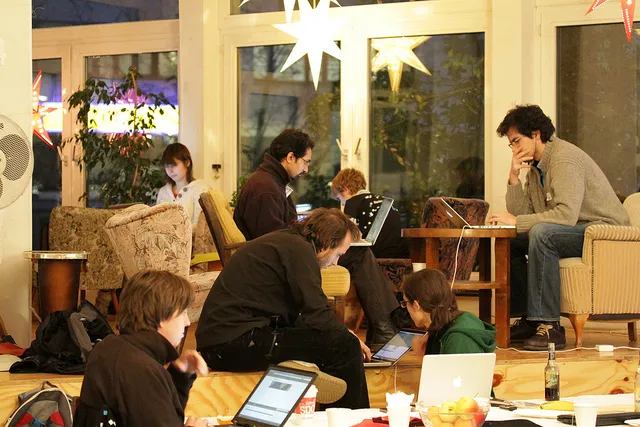
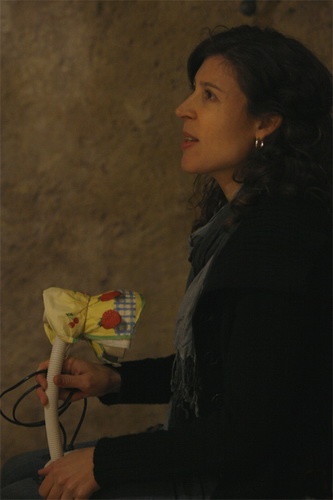
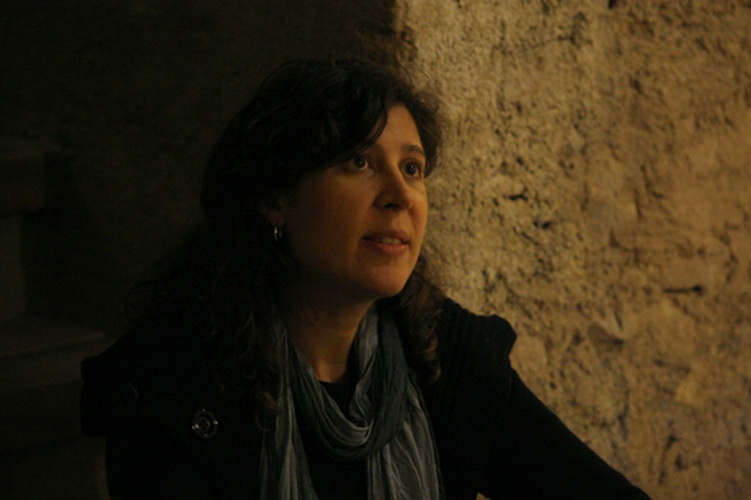
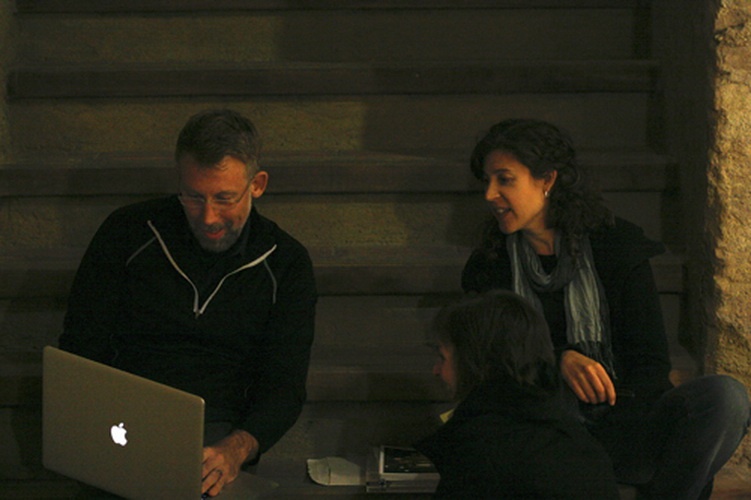
Last weekend I took part in Random Hacks of Kindness an international hackathon dedicated to creating useful systems to respond to critical global challenges. I met with other programmers at the Betahaus in Berlin and worked with Tim Schwartz and Mikkel Gravgaard on Google Person Finder a searchable database of missing persons that helps people find loved ones during disasters. It was used during the 2010 Haiti and Chilean Earthquakes and is developed by volunteers and employees of Google.

Picture 21

Photo by Flickr user rhokberlin

5235338306_dfdfb2141d_z

Photo by Flickr user nblr

5234474729_9d6d5a270a_z

Photo by Flickr user nblr

Give Me My Data and exporting mutual friends

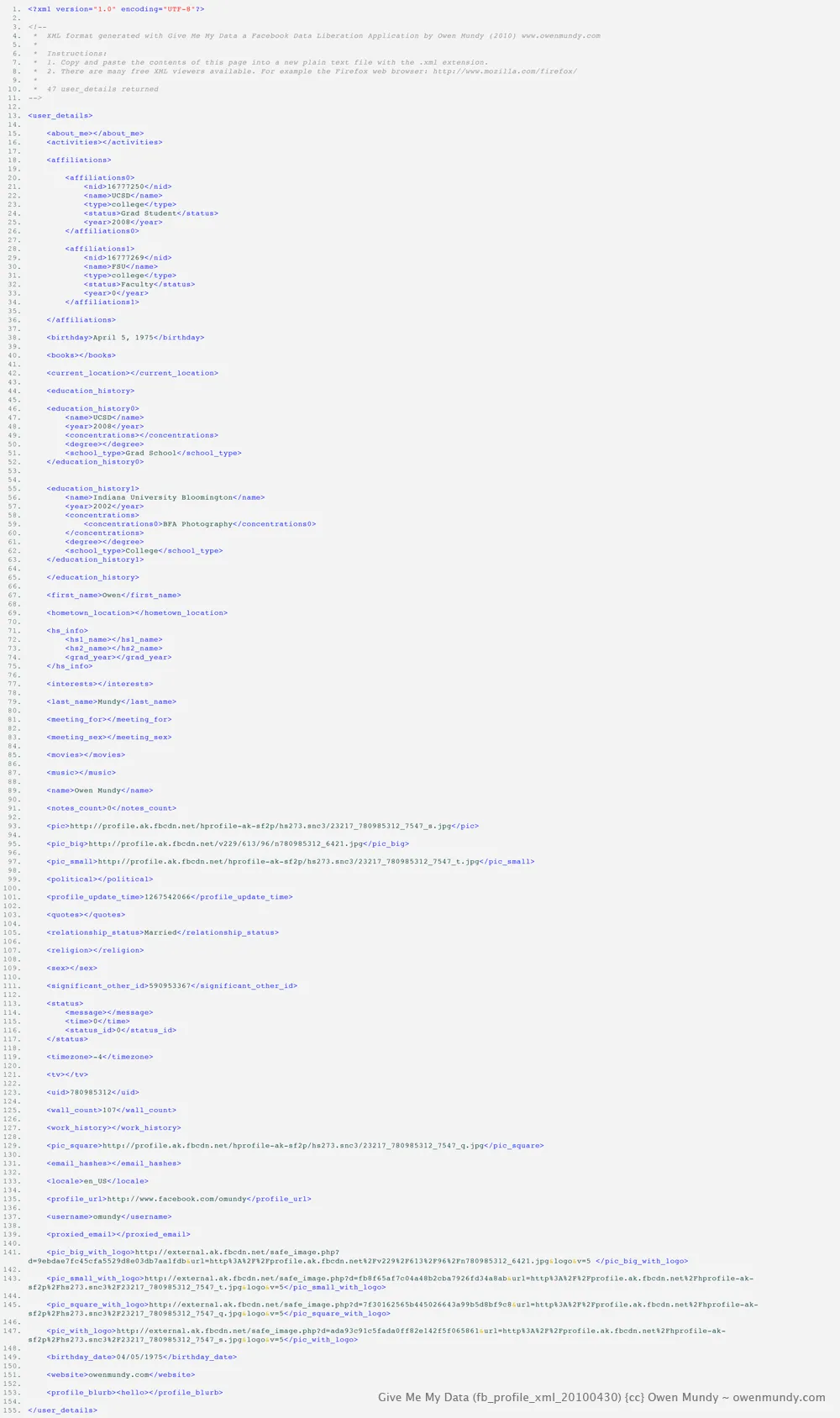
On the one-year anniversary of the beginning of Give Me My Data I’m very happy to announce that you can now export your friends and your mutual friends from facebook using two new formats. Both of the data formats are geared towards making graphs by displaying objects and their relationships. Needless to say, this is the most often requested feature since the official beta launch in April 2010. See below for more information

The DOT language

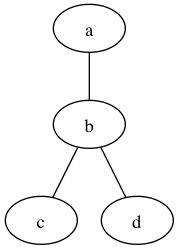
DOT is a plain text graph description language and can be rendered using a variety of layout applications like Graphviz or Tulip.

This example (saved as a plain text file with the .dot extension)

graph G
{
	a -- b -- c;
	b -- d;
}

Produces something like this

dot

Python / Nodebox 1.0

nodebox_logo

The other file format is also for visualizing relationships. You can copy and paste the contents into a plain text file saved with a .py extension and open it in Nodebox, a Mac application that uses Python to create 2D visuals. Learn more about creating graphs in Nodebox.

Here’s an example file. My mutual friends exported from Facebook…

fb_mutualfriends_20101123_3_fb-blue_800w

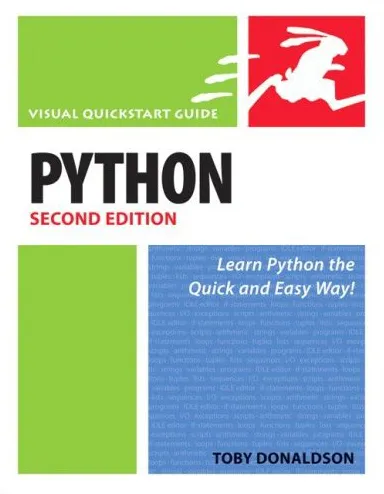
Review of “Python: Visual QuickStart Guide (2nd edition)”

python_vqg_cover

I have to admit I had my doubts about this book. I have not been impressed with Visual QuickStart Guides in the past. I respect the idea, of presenting only essential information in an easy-to-understand introductory manner, but that was rarely the case in previous experiences. Usually I found them to be a mixture of non-essential information that was not presented in a manner that would be good for those new to the subject.

That being said, their Python (2nd edition) breaks with their past. So far, I have almost consistently found it to be concise and to the point regarding an introduction to Python and programming languages in general. The examples are relevant and work accordingly. While I normally head to O’Reilly for the in-depth look at a language, this book is a great starting point.

One note and criticism; The examples using input() are flawed for users with Python <3 (most of us). You have to use raw_input() in place of it, although the book does not point this out.

Germany and Google Street View

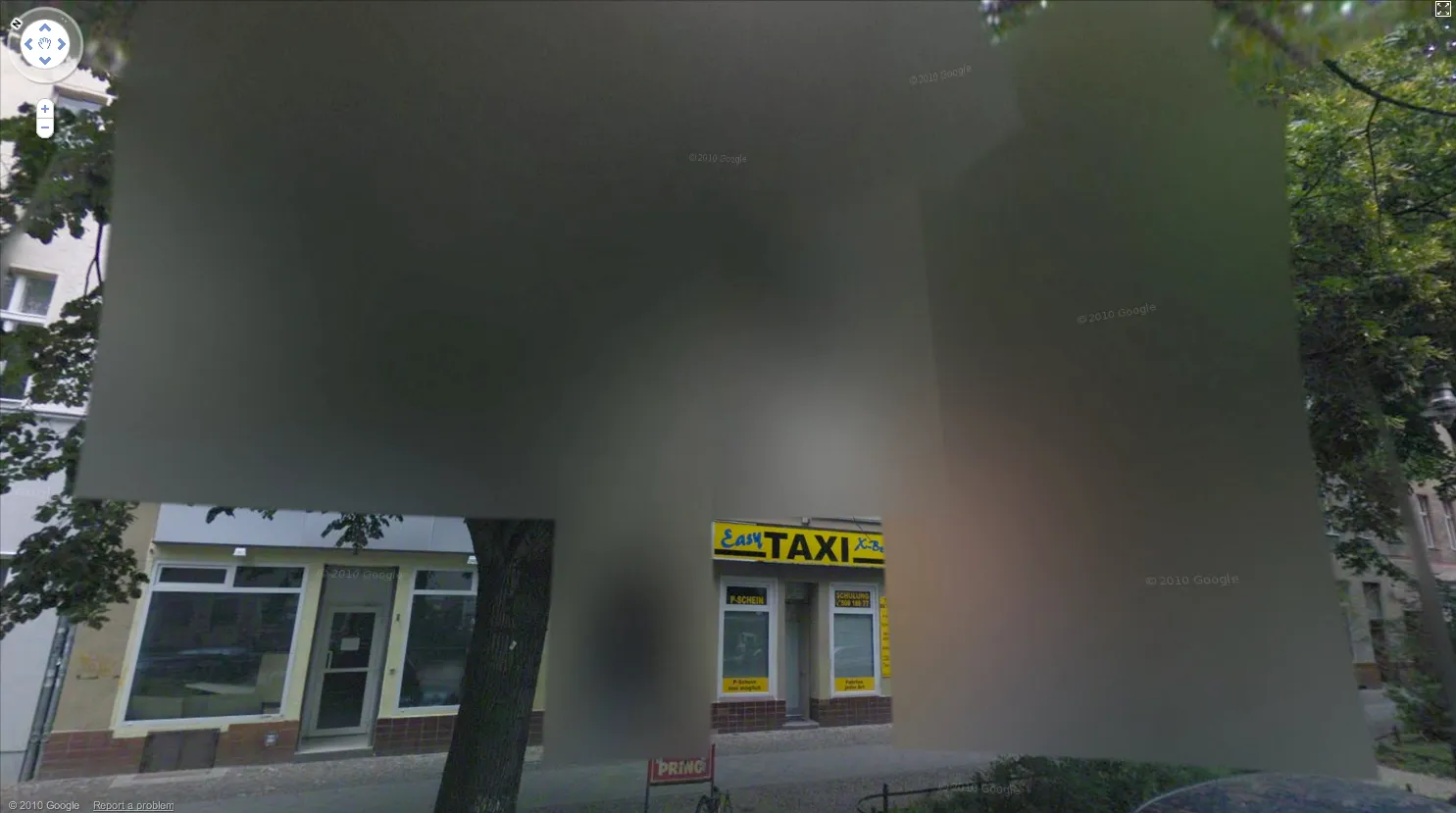
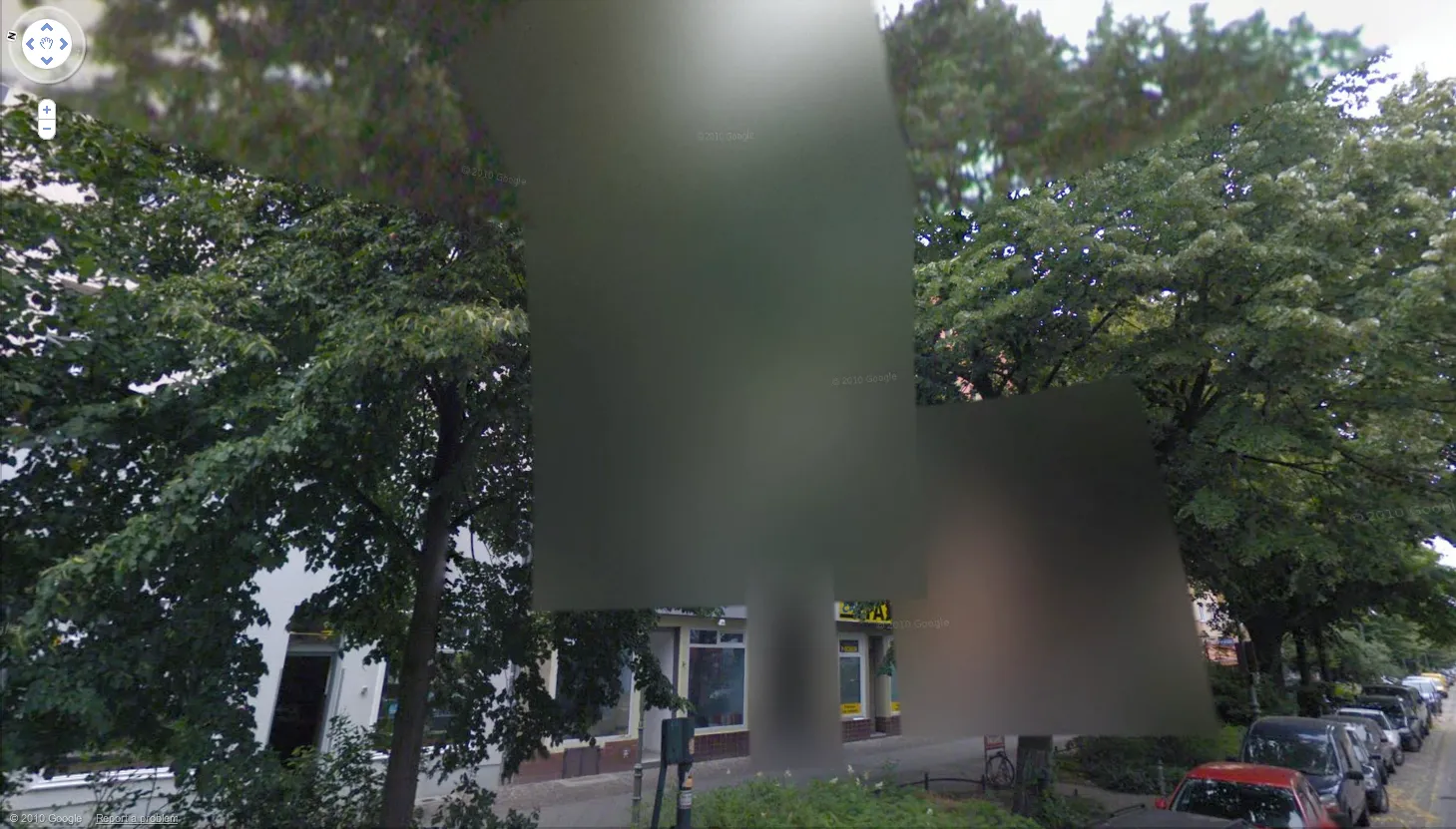
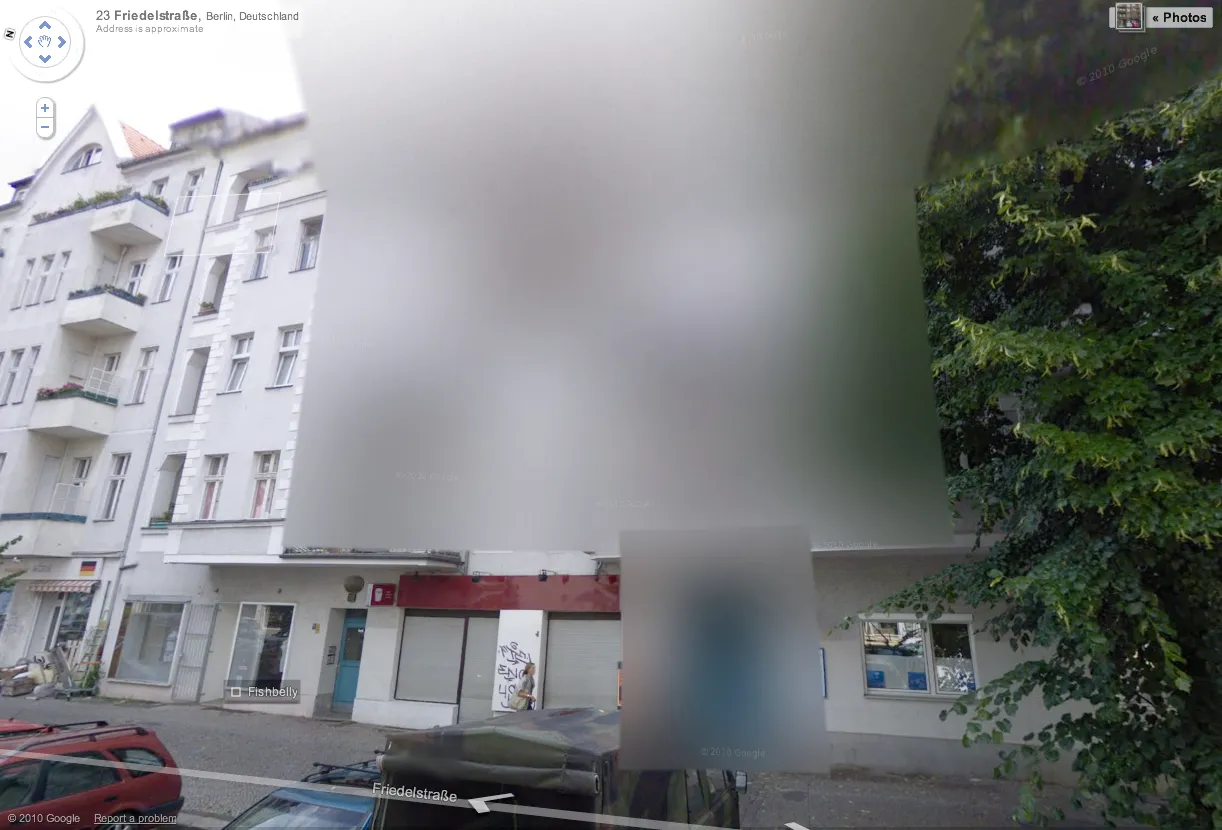
This week I have been enjoying the blurred images of German buildings whose owners have chosen to opt-out of Google Street View. Infamous moments in the country’s history have led Germans to take privacy very seriously; especially when it comes to information about their residences. Unlike the United States, where data privacy is an opt-out option, Germany law states that, “citizens must opt-in to have their data collected in any way.” (1). In fact, there is a document detailing the rights of the “data subject” in the German Federal Data Protection Act which serves “to protect the individual against his right to privacy being impaired through the handling of his personal data.”

An even more powerful gesture are the very public images that have resulted from this protection. While they serve a specific function—to obscure identifying aspects of buildings, faces, etc.—they also communicate very effectively the message that individuals should have the right to decide how their data is used. This gets to the heart of the Give Me My Data app—to prompt this sort of discussion. It is then ironic that Google, a company whose revenue is based almost completely on advertising opportunities made possible by aggregating and re-representing data, has inadvertently brought us this message.

I was excited to find my own apartment building in Berlin has been removed.

Picture 15

Picture 14

Another building down the street

Picture 1

Helge Denker, a reporter with the German daily, Das Bild, has found a clever way to opt-out.

helge

Fritzing for designing electronics

fritzing

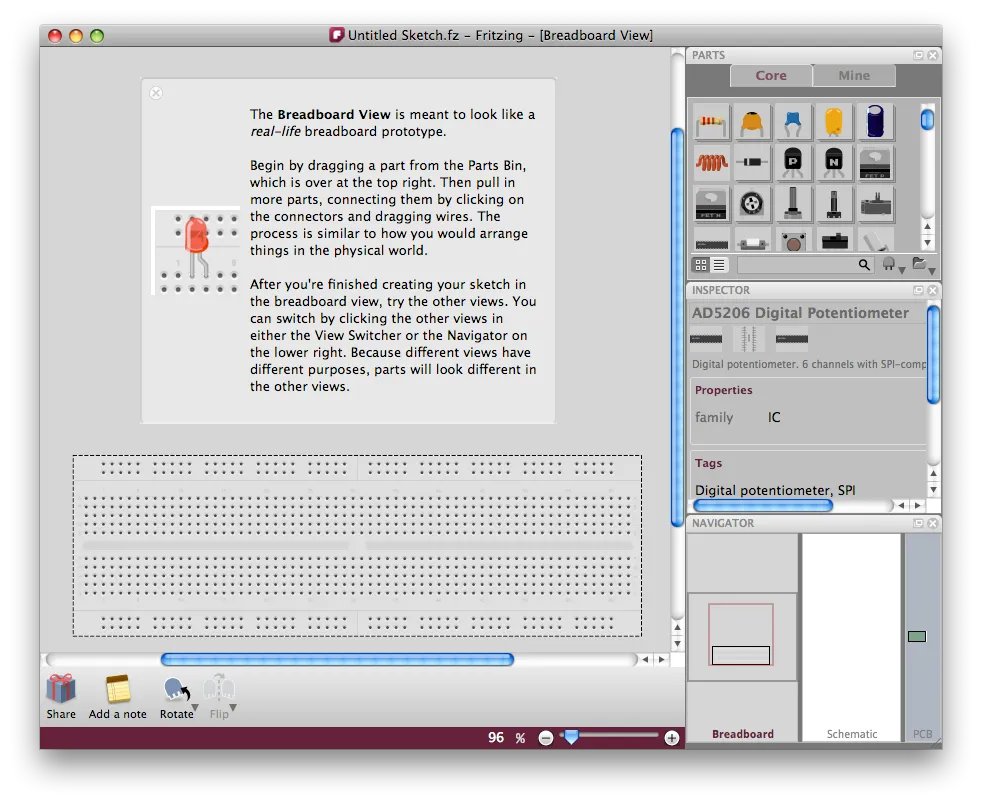
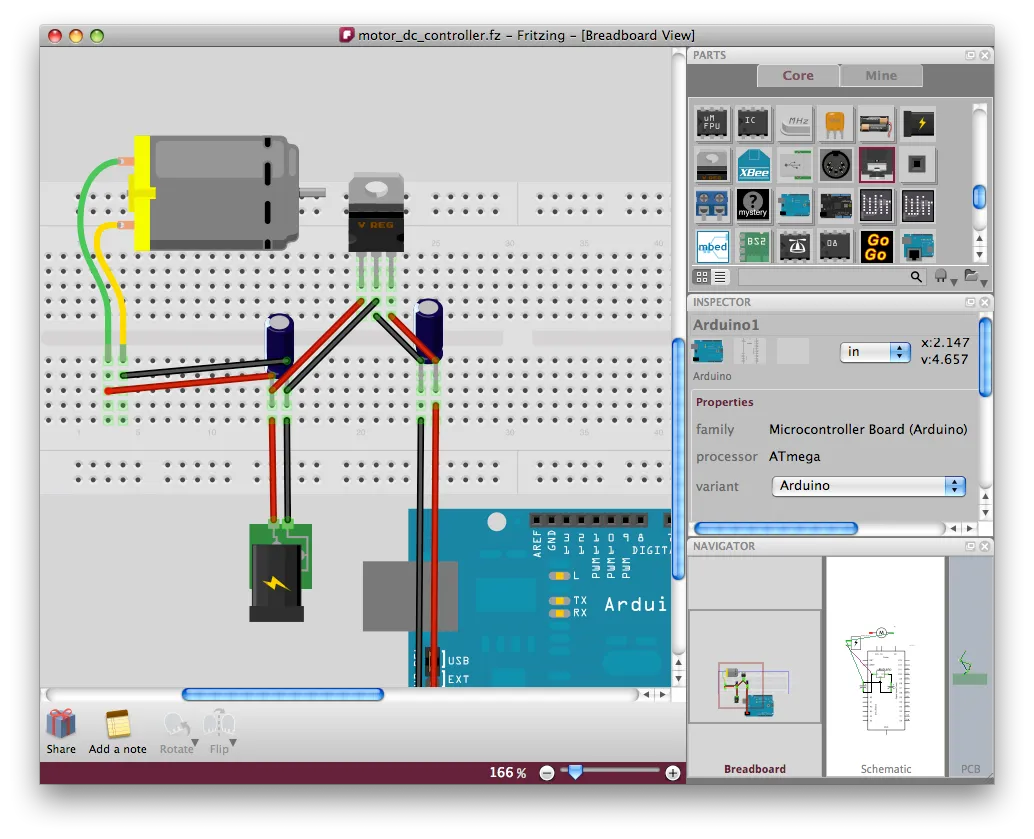
I just discovered Fritzing; an application for designing electronic projects and laying-out PCBs. The software is dependable, has a useful website with tutorials and project examples, and they are even starting a fabrication service in Dec 2010. Fritzing was started in August 2007 by the Interaction Design Lab at the University of Applied Sciences Potsdam, Germany.

Picture 12

When you launch the software you begin with a breadboard. Then you drag components from a large list on the right, choosing options for the parts. Adjusting rotation, color, and placement is all fairly intuitive. While I found working with “2.5D” perspective is a little awkward at first, you get used to it. For output, you can select between Breadboard, Schematic, and PCB views on the bottom right.

Picture 17

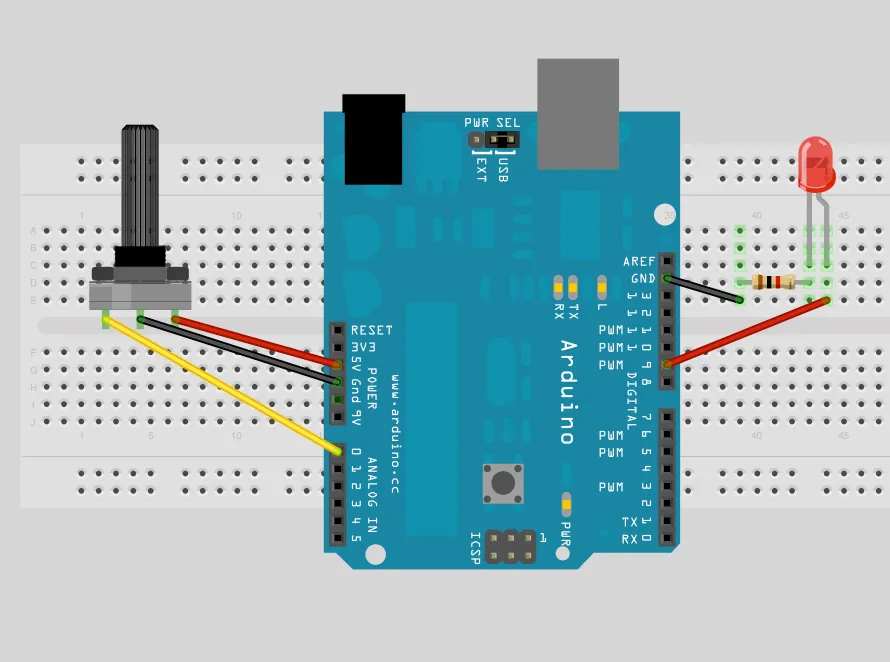
Here’s a design to accompany a previous sketch, Fading an LED with PWM and a Potentiometer

potentiometer_to_led

inSCRIPTion: … text … image … action …

If you are in Los Angeles / Long Beach check out Keyword Intervention at this group show:

P1000865

inSCRIPTion: … text … image … action …
November 8th – December 9th
Opening Reception: November 9, 2010 (3-7 pm)

Cerritos College Art Gallery
11110 Alondra Blvd
Norwalk, CA

The current ubiquity of transmediated and telepresential dialogues, most notably via the casual and partially-inscriptive technologies of computer-aided chat programs and cell-phone text messaging, certainly complicates the age-old distinction between written and oral communication, and between langue and parole. In part, this conceptual convergence is predicated on the collapsing of linguistic signifiers into the immanent patterns of (un)becomings inherent to computational code. In such an (intra-)active environment, the living fluidity of dialogue is often actualized by digits (a technophenomenological fusion of finger movement and binary language) and the lifeless permanence of inscription can manifest as a dynamic system of inSCRIPTion.

Reveling in the physical and conceptual opacity of words, the fourteen contemporary artists participating in inSCRIPTion at the Cerritos College Art Gallery, in aiming for a field of matrixial encounters, produce materialized event-scores that hover somewhere between notation and realization and which play games with language through transplantation into various deviant contexts. Some of the diverse multi-media works in the exhibition demand that the artist and/or viewer perform an action, while others emphasize the creative and performative act of reading itself. Still others contain moving, as opposed to static, text and/or process found language through a scripted algorithm. The end results of these (re)visualized schemas include readymade actions, speaking objects, and literal semiotic machines that nevertheless remain discursively framed, which is not to say trapped, by the nationalist, racial, gendered, and sexed, political/philosophical structures in which they are embedded.

P1000896

Participating Artists: Lisa Anne Auerbach, John Divola, Jonmarc Edwards, Mark Steven Greenfield, Jim Jenkins, Sherry Karver, Jason Manley, Katja Mater, Anna Mayer, Owen Mundy, Christina Ondrus, Lizabeth Eva Rossof, Cody Trepte, and Penny Young

Curated by James MacDevitt.

Plutonian Striptease VIII: Owen Mundy

Originally published in Plutonian Striptease, a series of interviews with with experts, owners, users, fans and haters of social media, to map the different views on this topic, outside the existing discussions surrounding privacy.

PS: Social networks are often in the news, why do you think this is?

OM: Assuming “social networks” refers to the online software, application programming interfaces (APIs), and the data that constitutes sites like MySpace, Facebook, and Twitter, I feel its popular to discuss them in the news for many reasons.

Online applications that enable enhanced connectivity for individuals and other entities are relatively new and there is an apparent potential for wealth through their creation and the connections they enable. News organizations are businesses, so they naturally follow the money, “reporting” on topics which are considered worthwhile to advertisers who buy space in their pages, pop-ups, and commercial breaks.

Additionally, the public is still grappling with the ability for online software to collect and distribute data about them, both with their permission and through clandestine means at once. Most users of social networking software don’t understand the methods or potential for behavior manipulation in these user interfaces and therefore are wary of what they share. Other users seem to be more care-free, making many private details from their lives public.

Finally, online social networking software is still evolving, so it’s difficult for users to establish a consensus about best practices. I believe the accelerating functionality of web 2.0 software will continue to complicate how we feel about online social networks for much longer.

PS: In what way do they differ from older forms of communication on the Internet?

OM: If web1.0 consisted of static pages, web2.0 is made-up of dynamic information, generated by the millions of users accessing the web through personal computers and mobile devices. This rapid rise in user-generated content has been made possible by the development of online applications using a myriad of open source programming languages. Sites like youtube.com (launched 2005 and written primarily in Python) and Facebook.com (2004, PHP) which consist entirely of content contributed by users, store information in databases allowing for fast searching, sorting, and re-representation. Initially, the web consisted of information and we had to sift through it manually. Web2.0 allows for the growth of a semantic web and possibilities for machines to help us describe, understand, and share exponential amounts of data through tags, feeds, and social networks.

PS: Who is ultimately responsible for what happens to the data you upload to social networks?

OM: Obviously users are responsible for deciding what information they publish online. Still, Facebook’s “Recommended Privacy Settings” should emphasize more not less. While their privacy settings always seem to be a work in progress. One thing they do consistently is default to less privacy overall, thus more sharing of your information on their site. For a website that depends on user-generated content the motivation to encourage sharing is clear enough. Still, why do they use the word “privacy” if they’re not actually embracing the idea?

I honestly feel that all software that accepts user input, credit cards and phone companies, should be bound by strict written rules preventing them from sharing my information with advertising companies or the government. It seems like a basic human right to me. If there are laws preventing me from downloading and sharing copywritten music then there should be laws protecting my intellectual property as well.

PS: Do you read Terms of Use or EULA’s and keep up to date about changes applied to them?

OM: Only when curious or suspicious. They’re usually intentionally full of so much legalese that I don’t bother torturing myself. But as an artist and programmer, I have an interest in sharing my information in public space because I benefit from its appreciation. Perhaps a more accurate answer to this question would come from someone who doesn’t have this interest.

PS: Do you think you’ve got a realistic idea about the quantity of information that is out there about you?

OM: Yes I do. I am definitely conscious of the information I share. In addition I also research methods of surveillance and incorporate that knowledge into my art practice. So while I haven’t seen the visualization that determines the likelihood that my grandmother is a terrorist threat, it’s guaranteed that one is possible with a few clicks and some multi-million dollar defense contractor dataveillance tool. This is true for any human being through aggregation of credit card records, travel information, political contributions, and what we publish online.

PS: How do you value your private information now? Do you think anything can happen that will make you value it differently in the future?

OM: It’s important to me to situate my art practice in public space where it can provoke discussion for all audiences. But yes, I do intentionally avoid distributing dorky pictures of my mountain bike adventures. Seriously though, I’ve been watching the news. I can say that I’m definitely alarmed by the post-911 surveillance on U.S. citizens.

PS: How do you feel about trading your personal information for online services?

OM: It depends on the service. We all have to give up something in order to use these tools. For example, without telling Google Maps that I’m interested in Mexican restaurants in Williamsburg, I might never find Taco Chulo. This continual paradox in making private information public is somewhat rendered void if the sites we use actually protect our information, but it is more likely that everything we say and do online is used to some degree to enhance and advertisements. Here’s another example, 97% of Google’s revenue comes from advertising, which should suggest that while they produce software, their ultimate goal is to appeal to advertisers.[1]

PS: What do you think the information gathered is used for?

OM: I have a background in interface design and development so I know how great it is to use web stats to see where users are clicking. If traffic is not moving in the direction that you want then you can make specific buttons more prevalent.

I can only imagine what a company like Google does with the data they gather through their analytics tools. The fact that a government could access this information is scary when you think of the actions of past fascist states. The amount of control a government could levy through a combination of deep packet searching and outrightly ignoring human rights is staggering.

PS: Have you ever been in a situation where sharing information online made you uncomfortable? If so, can you describe the situation?

OM: Definitely. Sharing financial information online always causes a little anxiety. One of my credit cards has been re-issued three times now due to “merchant databases being hacked.”

PS: What is the worst case scenario, and what impact would that have on an individual?

OM: I just moved to Berlin so I’m looking at the history of this place quite a bit. This is relevant because, during the Cold War, before Germany was reunited, the German Democratic Republic (GDR) Ministry for State Security (MfS) or ‘Stasi’ is believed to have hired, between spies and full- and part-time informants, one in every 6.5 East German citizens to report suspicious activities.[2] That’s millions of people. At this moment, the ratio of people entering data on Facebook to non-members is one in fourteen for the entire world.[3] We have probably the most effective surveillance machine in the history of mankind.

PS: Nowadays, most of the “reading” of what is written online is done by machines. Does this impact your idea of what is anonymity and privacy?

OM: Well, it’s not surprising the interview has come to this point, since I keep referrencing the multitude of methods of computer-controlled digital surveillance. It’s true that machines have replaced humans for remedial work. For example: searching text strings for suspicious statements. But the ultimate danger to my privacy is only enhanced by machines. The real problem is when companies that I trust with my data decide to share it with corporations or governments that engage in behavior control.

PS: Can a game raise issues such as online privacy? And if so, what would you like to see in such a game?

OM: I find this question to be intentionally leading. Perhaps its because I’m generally optimistic and come from farmers, so I assume anything is possible? Not being a gamer though, I can tell you honestly that yes, it is possible, but you will have some challenges if you intend to reach an audience that doesn’t already agree with you. Reaching non-gamers who don’t already feel the same will be even tougher.

Games are generally immersive; you are either playing or your not. The biggest challenge you may have is reaching non-gamers, because they don’t generally invest large amounts of time in games for enjoyment. Try to find ways to highlight complexity and prompt discussion regardless of how long users play, and make this clear from the outset.

Finally, in politically-motivated cultural production it’s important to appeal to an audience first, and let them come to the issues on their own. Who would sit through a film knowing the twist at the end? Especially a conclusion intended to spur critical thinking and action, which is of course the goal.

[1] “Google Financial Tables for Quarter ending June 30, 2009” Retrieved October 13, 2010
[2] Koehler, John O. (2000). Stasi: the untold story of the East German secret police. Westview Press. ISBN 0813337445.
[3] “Facebook Statistics” Retrieved October 14, 2010
Exchange! Congress Berlin

ermsujet_sq_foto-by-damaso_reyes

Exchange! Congress Berlin
20 October 2010, Berlin

10:00 PECHA KUCHA BRUNCH with Wolfgang Krause (art boys, Berlin), Joelle Dietrick & Owen Mundy (Florida, USA), Lilia Dragneva (KSA:K, Chisinau, Moldova), Solvita Krese (LCCA, Riga, Latvia), Barbara J. Scheuermann (Babusch, Berlin), Louise Taylor (UK), Andrew Stooke (Oliver Holt Gallery, UK), Jörn J. Burmester (Performer Stammtisch, Berlin), Club Real (Berlin).

14:00 VIDEO SCREENING (Highlights from Attitude Festival Bitola, Macedonia)

14:30 PERFORMANCES (Liverpool Performance Artist and Drag-”Queen of Culture” Mandy Romero, Sound Artist Alex Decoupigny, Performance Artist Dovrat ana Meron)

15:00 ROUND TABLE TALK with Artists and Exchange Radical Moments! Co-organizers

16:00 TEA TABLE TALKS, an encounter scenario with 12 tables and 24 chairs. Come, sit down and talk to artists, curators and organizers.

Free entry! We ask for registration. Please send email with name and subject “Exchange! Congress”

RSVP on Facebook

19:00 – 22:00 PMC EXPERIMENT: Performance Art Meets Constellation Work (this is with invitation only!)

Location:
GLS Campus Berlin
Sprachschule, AULA
Kastanienallee 82, D -10435 Berlin

Facebook’s recommended privacy settings should emphasize more not less

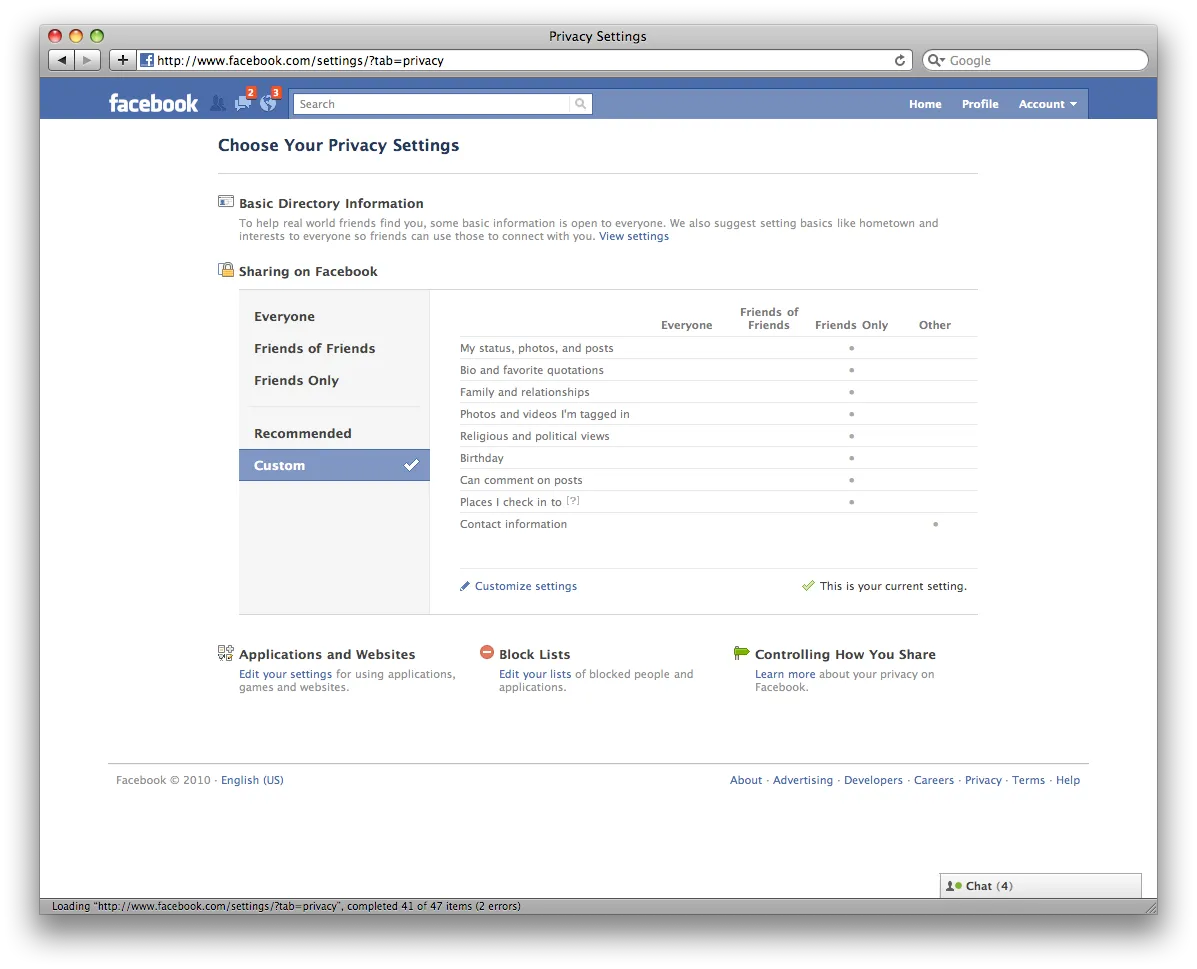
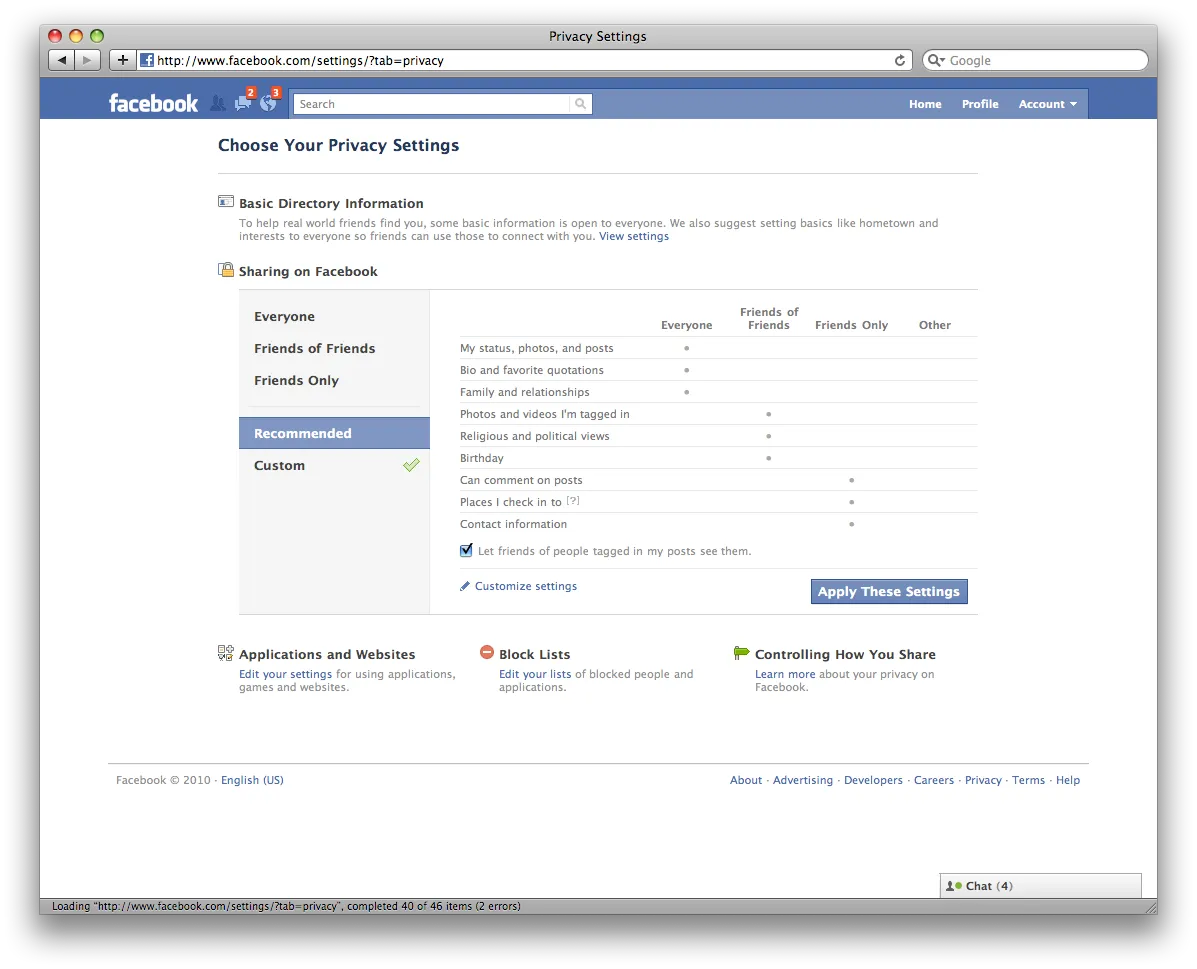
Facebook’s “Privacy Settings” always seem to be a work in progress. One thing they do consistently is default to less privacy overall, thus more sharing of your information on their site. For a website that depends on user-generated content the motivation to encourage sharing is clear enough. Still, why do they use the word “privacy” if they’re not actually embracing the idea?

For example, a recent update introduces a table with degrees of privacy from less to more (left to right). Types of data are listed in rows, while access is shown in the columns, with Everyone to Friends Only, again left to right.

fb_more

Curious about what Facebook “Recommended” settings were, I clicked and am sharing the screenshot below. I am not surprised to see that they wish me to open-up all content I generate; status messages, posts, images, etc. and discourage allowing anyone I don’t know to comment on posts (probably as spam prevention).

fb_less

I have been thinking about privacy quite a bit this week, developing ideas for what next to do with Give Me My Data, and providing an interview about social media for Naked on Pluto (along with the likes of Marc Garrett and Geert Lovink). Plus I went to see the “geek hero story” The Social Network at the Babylon Cinema last night.

Anyway, after all this thinking about Facebook’s past, I’m curious about its future, and how it will continue to try to hold on to the #1 social networking website position that Friendster and MySpace lost so quickly. The API, games, etc could be expected, but the Facebook Connect tools that are so prevalent now, even on Yelp, a site I figured could make it without schlepping, were a surprise.

Facebook Connect, a jquery “widget” that allows you to login to other websites using your Facebook ID, is clever and eerie at once. It allows Facebook to track you when you are not even on their site, and make sure you stay loyal. If that sounds sinister, well it is. What other purpose could there be for making available a service with the single purpose of mediating every interaction or bit of content you add to the web? It seems at first like OpenID, and it is, except that its run by a multi-billion dollar social media corporation.

How to install Scrapy with MacPorts (full version)

macports-logo-top

+

logo

Here is a step-by-step explaining how I got Scrapy running on my MacBook Pro 10.5 using MacPorts to install Python and all required libraries (libxml2, libxsit, etc.). The following has been tested on two separate machines with Scrapy .10.

Many thanks to users here who shared some helpful amendments to the default installation guide. My original intention was to post this at stackoverflow, but their instructions discourage posting issues that have already been answered so here it is…

1. Install Xcode with options for command line development (a.k.a. “Unix Development”). This requires a free registration.

2. Install MacPorts

3. Confirm and update MacPorts

$ sudo port -v selfupdate

4. “Add the following to /opt/local/etc/macports/variants.conf to prevent downloading the entire unix library with the next commands”

+bash_completion +quartz +ssl +no_x11 +no_neon +no_tkinter +universal +libyaml -scientific

5. Install Python

$ sudo port install python26

If for any reason you forgot to add the above exceptions, then cancel the install and do a “clean” to delete all the intermediary files MacPorts created. Then edit the variants.conf file (above) and install Python.

$ sudo port clean python26

6. Change the reference to the new Python installation

If you type the following you will see a reference to the default installation of Python on MacOS 10.5 (Python2.5).

$ which python

You should see this

/usr/bin/python

To change this reference to the MacPorts installation, first install python_select

$ sudo port install python_select

Then use python_select to change the $ python reference to the Python version installed above.

$ sudo python_select python26

UPDATE 2011-12-07: python_select has been replaced by port select so…

To see the possible pythons run

port select --list python

From that list choose the one you want and change to it e.g.

sudo port select --set python python26

Now if you type

$ which python

You should see

/opt/local/bin/python

which is a symlink to

/opt/local/bin/python2.6

Typing the below will now launch the Python2.6 shell editor (ctl + d to exit)

$ python

7. Install required libraries for Scrapy

$ sudo port install py26-libxml2 py26-twisted py26-openssl py26-simplejson

Other posts recommended installing py26-setuptools but it kept returning with with errors, so I skipped it.

8. “Test that the correct architectures are present:

$ file `which python`

The single quotes should be backticks, which should spit out (for intel macs running 10.5):”

/opt/local/bin/python: Mach-O universal binary with 2 architectures
/opt/local/bin/python (for architecture i386): Mach-O executable i386
/opt/local/bin/python (for architecture ppc7400): Mach-O executable ppc

9. Confirm libxml2 library is installed (those really are single quotes). If there are no errors it imported successfully.

$ python -c 'import libxml2'

10. Install Scrapy

$ sudo /opt/local/bin/easy_install-2.6 scrapy

11. Make the scrapy command available in the shell

$ sudo ln -s /opt/local/Library/Frameworks/Python.framework/Versions/2.6/bin/scrapy /usr/local/bin/scrapy

One caveat for the above, on a fresh computer, you might not have a /usr/local/bin directory so you will need to create it before you can run the above to create the symlink.

$ sudo mkdir /usr/local/bin

13. Finally, type either of the following to confirm that Scrapy is indeed running on your system.

$ python scrapy

$ scrapy

A final final bit… I also installed ipython from Macports for use with Scrapy

sudo port install py26-ipython

Make a symbolic link
sudo ln -s /opt/local/bin/ipython-2.6 /usr/local/bin/ipython

An article on ipython
http://onlamp.com/pub/a/python/2005/01/27/ipython.html

ipython tutorial
http://ipython.scipy.org/doc/manual/html/interactive/tutorial.html

The Difference Between Then and Now

video_mockup_cropped

TINA-B Festival
Nostic Palace, Czech Ministry of Culture, Prague
October 7-24th, 2010

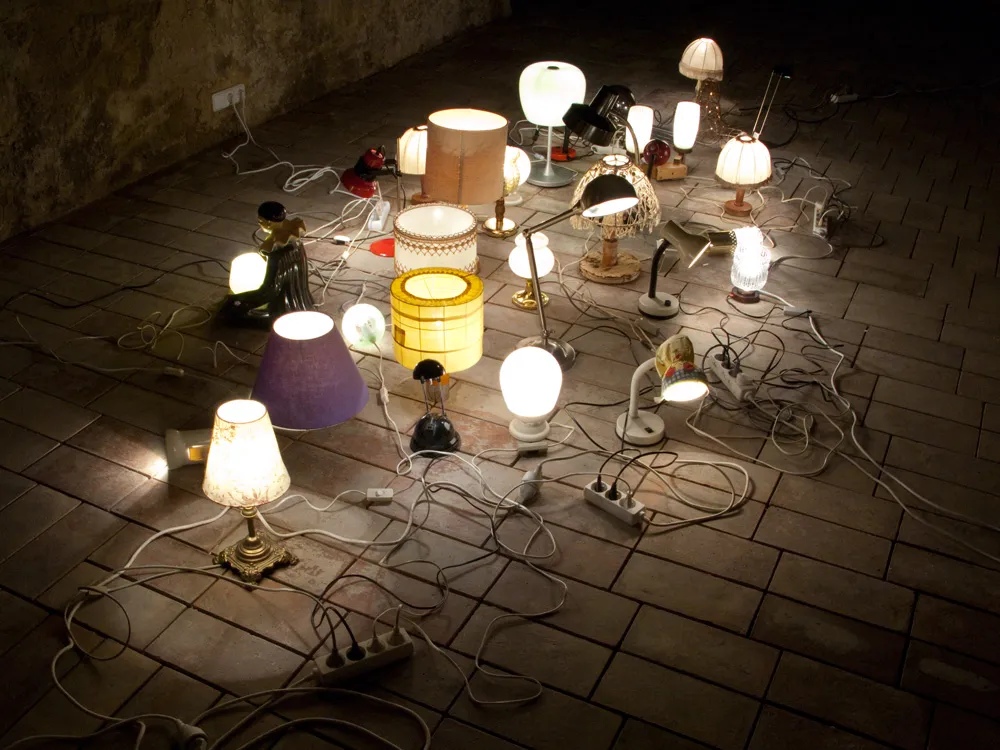
In the October 2010 TINA-B Contemporary Art Festival in Prague, Owen Mundy and Joelle Dietrick will re-stage their 2006 project The Darkest Hour is Just Before Dawn. Originally developed in York, Alabama, USA, Owen Mundy and Joelle Dietrick borrowed lamps from the residents and installed them in an abandoned grocery store. Each lamp was set to turn on every night, and because of the inexactitude of the timers chosen, did so in an organic fashion, one by one, reflecting not only the participants in the community, but also the history of Alabama’s social movements. In an area where a nearby hazardous waste landfill caused the water undrinkable, the artists and the community collectively revived the vacant commercial space, removing roomfuls of damaged post-Katrina FEMA water boxes and transforming the downtown with the lamps, pulsing at their own pace, human in the imperfections and variety, and more powerful as a collection.
nostic_palace_S09_longview

As if a scientific study with controls, the re-staging of the project in Prague and Venice studies the nature of site-specific and community-based art. Both cities provide unusual cross-cultural comparisons about domestic settings and the cultural, geographical and political structures that affect private space. The 2006 installation developed before the U.S. housing crisis, and these 2010 installations will develop as the global economy still recovers from the impact of the current economic downturn. In this context, the simple gesture of gathering of everyday objects and spaces can yield unusual insights into common assumptions about micro-macros shifts—the individual and the state, private spaces and public concerns, local and global.
More information

_MG_8207

Setup Macports Python and Scrapy successfully

logo

“Scrapy is a fast high-level screen scraping and web crawling framework, used to crawl websites and extract structured data from their pages. It can be used for a wide range of purposes, from data mining to monitoring and automated testing.”

But, it can be a little tricky to get running…

Attempting to install Scrapy on my MBP with the help of this post I kept running into errors with the libxml and libxslt libraries using the Scrapy documentation.

I wanted to try to let Macports manage all the libraries but I had trouble with it referencing the wrong installation of Python. I began with three installs:

  1. The default Apple Python 2.5.1 located at: /usr/bin/python
  2. A previous version I had installed located: /Library/Frameworks/Python.framework/Versions/2.7
  3. And a Macport version located: /opt/local/bin/python2.6

My trouble was that:

$ python

would always default to the 2.7 when I needed it to use the Macports version. The following did not help:

$ sudo python_select python26

I even removed the 2.7 version which caused only an error.

I figured out I needed to change the default path to the Macports version using the following:

$ PATH=$PATH\:/opt/local/bin ; export PATH

And then reinitiate the ports, etc.

Finally, I was not able to reference the scrapy-ctl.py file by default through these instructions so I had to reference the scrapy-ctl.py file directly

/opt/local/Library/Frameworks/Python.framework/Versions/2.6/bin/scrapy-ctl.py

UPDATE

A quick addendum to this post with instructions to create the link, found on the Scrapy site (#2 and #3).

Starting with #2, “Add Scrapy to your Python Path”

sudo ln -s /opt/local/Library/Frameworks/Python.framework/Versions/2.6/bin/scrapy-ctl.py /opt/local/Library/Frameworks/Python.framework/Versions/2.6/lib/python2.6/site-packages/scrapy

And #3, “Make the scrapy command available”

sudo ln -s /opt/local/Library/Frameworks/Python.framework/Versions/2.6/bin/scrapy-ctl.py /usr/local/bin/scrapy

Reading list for August 2010
About to embark on some new projects here in Berlin. Here’s my reading list at the moment…

free

Free: The Future of a Radical Price
by Chris Anderson
July 7th 2009 by Hyperion

Traditional economics operates under fundamental assumptions of scarcity–there’s only so much oil, iron, and gold in the world. But the online economy is built upon three cornerstones: processing power, hard drive storage, and bandwidth–and the costs of all these elements are trending toward zero at an incredible rate.

The Exploit

The Exploit: A Theory of Networks
by Alexander R. Galloway, Eugene Thacker
October 1st 2007 by Univ Of Minnesota Press

“The Exploit is that rare thing: a book with a clear grasp of how networks operate that also understands the political implications of this emerging form of power. It cuts through the nonsense about how ‘free’ and ‘democratic’ networks supposedly are, and it offers a rich analysis of how network protocols create a new kind of control. Essential reading for all theorists, artists, activists, techheads, and hackers of the Net.” —McKenzie Wark, author of A Hacker Manifesto

gw_cover_front

Group Work
by Temporary Services
New York, NY: Printed Matter. 2007

Based on a pamphlet published by Temporary Services in 2002 titled Group Work: A Compilation of Quotes About Collaboration from a Variety of Sources and Practices, this publication provides a multitude of perspectives on the theme of Group Work by practitioners of artistic group practice from 1960s to the present.

How to easily set up a campaign finance database (well, kind of) or Make Python work with MAMP via MySQLdb

Picture 15

I’ve been trying for a few hours to run a Python script from The Sunlight Foundation Labs which downloads (and updates) a campaign finance database from the Center for Responsive Politics. See their original post for more information.

In the process of getting this working I accidentally broke a working copy of MySQL and overwrote a database installed on my MBP (which I had stupidly not backed-up since last year). FYI, you can rebuild any MySQL database with the original .frm, .MYD, and .MYI files if you 1. Recreate the database in the new install of MySQL and 2. Drag the files into the mysql data folder.

I struggled quite a bit getting Python to work with MySQL via MySQLdb. I’m documenting some of the headaches and resolutions here in case they are useful. I’ve tried to include error messages for searches as well.

The Sunlight Foundation instructions require Python and MySQL, but don’t mention you have to have already wrestled with the madness involved in installing Django on your machine. Here is what I did to get it working on my MacBook Pro Intel Core 2 Duo. I’ve included their original instructions with my own (and a host of others).

Instructions

  1. Install MAMP.

    While I had working installations of MySQL and Python (via installers on respective sites), I couldn’t get Python to connect to MySQL via MySQLdb. I decided to download and try MAMP for a clean start.

  2. Install XCode

    Past installs are available on Apple Developer website.

  3. Install setuptools

    Required for the MySQLdb driver. Remove the .sh extension from the filename (setuptools-0.6c11-py2.7.egg.sh) and in a shell:

    ~$ chmod +x setuptools-0.6c11-py2.7.egg
    ~$ ./setuptools-0.6c11-py2.7.egg

  4. Install the MySQLdb driver

    After downloading and unzipping, from the directory:

    ~$ python setup.py build
    ~$ sudo python setup.py install

    Continue following the advice of this post to the end How to install Django with MySQL on Mac OS X.

    I also followed another piece of advice in Python MySQL on a Mac with MAMP to change the mysql_config.path from:

    /usr/local/mysql/bin/mysql_config

    to

    /Applications/MAMP/Library/bin/mysql_config

    Especially useful is his test script for making sure that Python is indeed accessing MySQL.

  5. Create a symbolic link between Python and MySQL in MAMP

    This is required in order to use a socket to connect to the MySQL. See How to install MySQLdb on Leopard with MAMP for more information.

    ~$ sudo ln -s /Applications/MAMP/tmp/mysql/mysql.sock /tmp/mysql.sock

  6. Create a directory and put the two Python files in it.
  7. Modify the top of the sun_crp.py file to set certain parameters–your login credentials for the CRP download site and your MySQL database information.
  8. Install pyExcelerator

    Error: ImportError: No module named pyExcelerator

    I had to install this module next.

  9. Comment out multiple lines

    Error: NameError: name 'BaseCommand' is not defined

    In download.py comment out the following:

    The line: from django.core.management.base import BaseCommand, CommandError

    Everything from class CRPDownloadCommand(BaseCommand): to the end of the document.

  10. From the command line, run the script by typing, from the proper directory: Python sun-crp.py.
  11. It will take several hours to download and extract the data, especially the first time it’s run. But after that, you’re good to go.

Automata: Counter-Surveillance in Public Space paper on the Public Interventions panel at ISEA2010
isea2010_logo_klein

ISEA2010 RUHR Conference in Dortmund, Germany
P26 Public Interventions
Tue 24 August 2010
15:00–16:30h
Volkshochschule Dortmund, S 137a
Moderated by Georg Dietzler (de)

  • 15:00h | Owen Mundy (us): Automata: Counter-Surveillance in Public Space
  • 15:20h | Christoph Brunner (ch/ca), Jonas Fritsch (dk): Balloons, Sweat and Technologies. Urban Interventions through Ephemeral Architectures
  • 15:40h | Georg Klein (de): Don’t Call It Art! On Artistic Strategies and Political Implications of Media Art in Public Space
  • 16:00h | Georg Dietzler (de): Radical Ecological Art and No Greenwash Exhibitions

About my talk:

Automata is the working title for a counter-surveillance internet bot that will record and display the mutually-beneficial interrelationships between institutions for higher learning, the global defense industry, and world militaries. Give Me My Data is a Facbook application that help users reclaim and reuse their Facebook data. The two projects, both ongoing, address important issues surounding contemporary forms of communication, surveillance, and control.

Recent and ongoing projects

Howdy, it’s been awhile since I last shared news about recent and ongoing projects. Here goes.

close-your-eyes-ac-direct-me-14_1000h

1. You Never Close Your Eyes Anymore

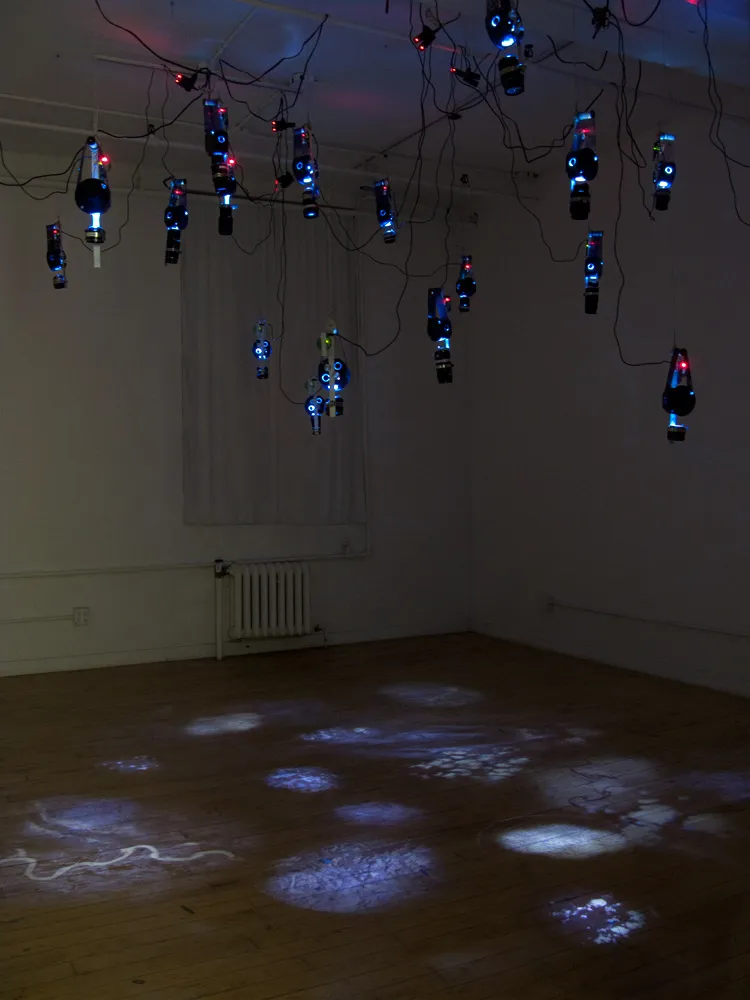
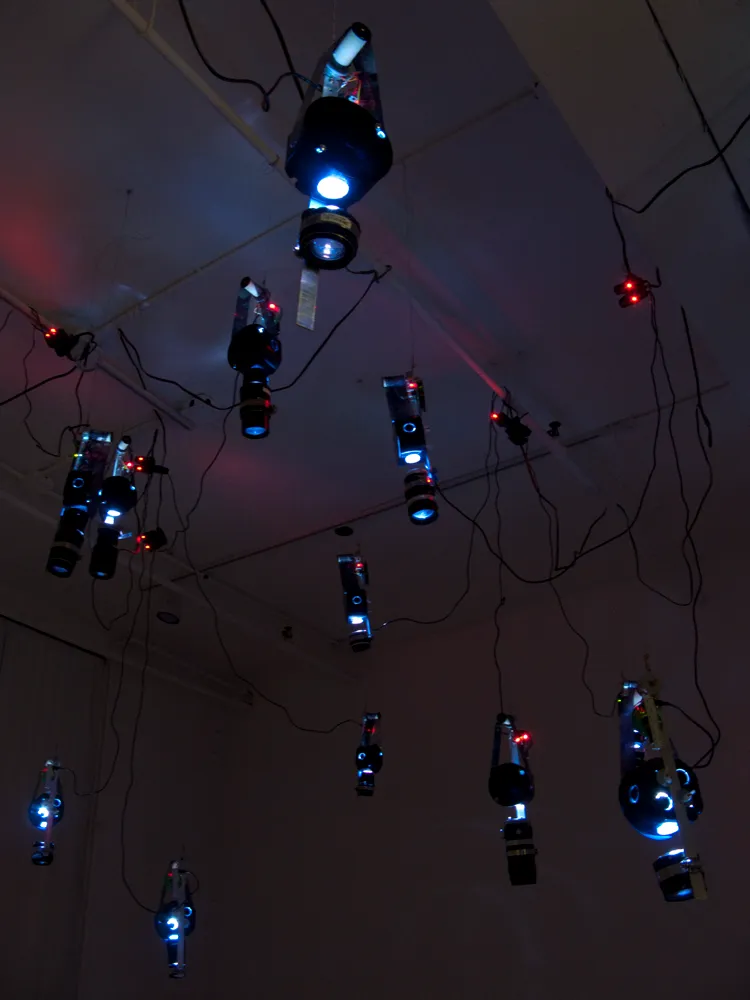
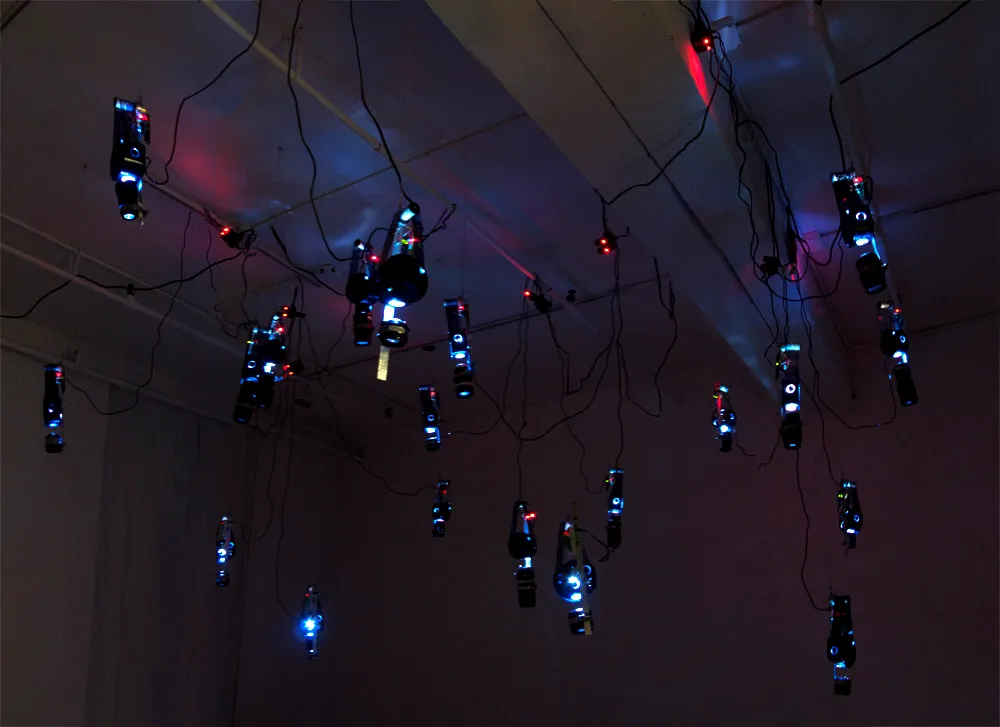
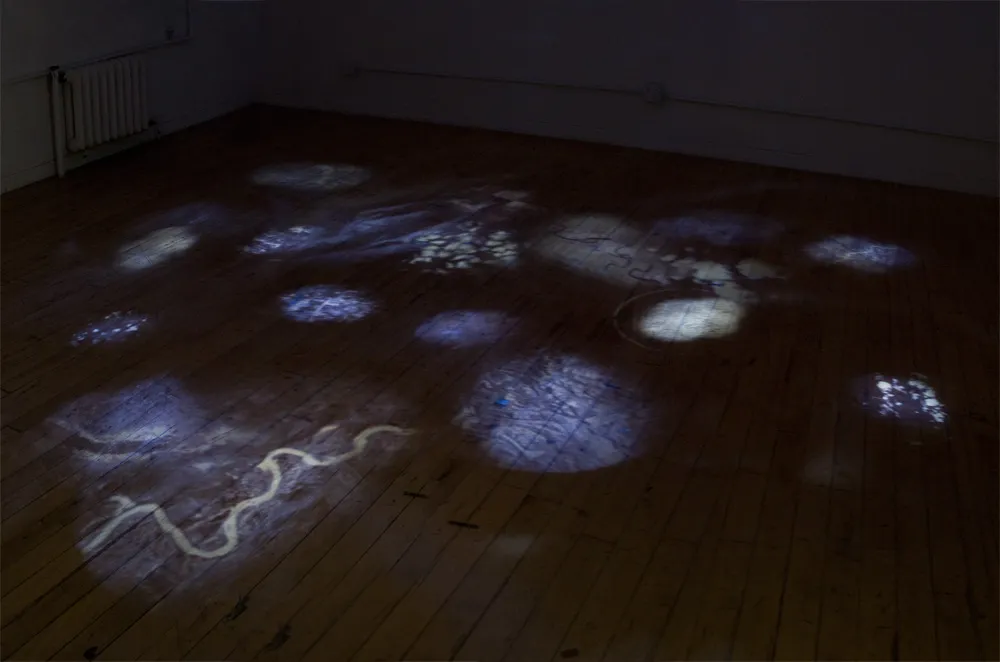
You Never Close Your Eyes Anymore is an installation that projects moving US Geological Survey (USGS) satellite images using handmade kinetic projection devices.

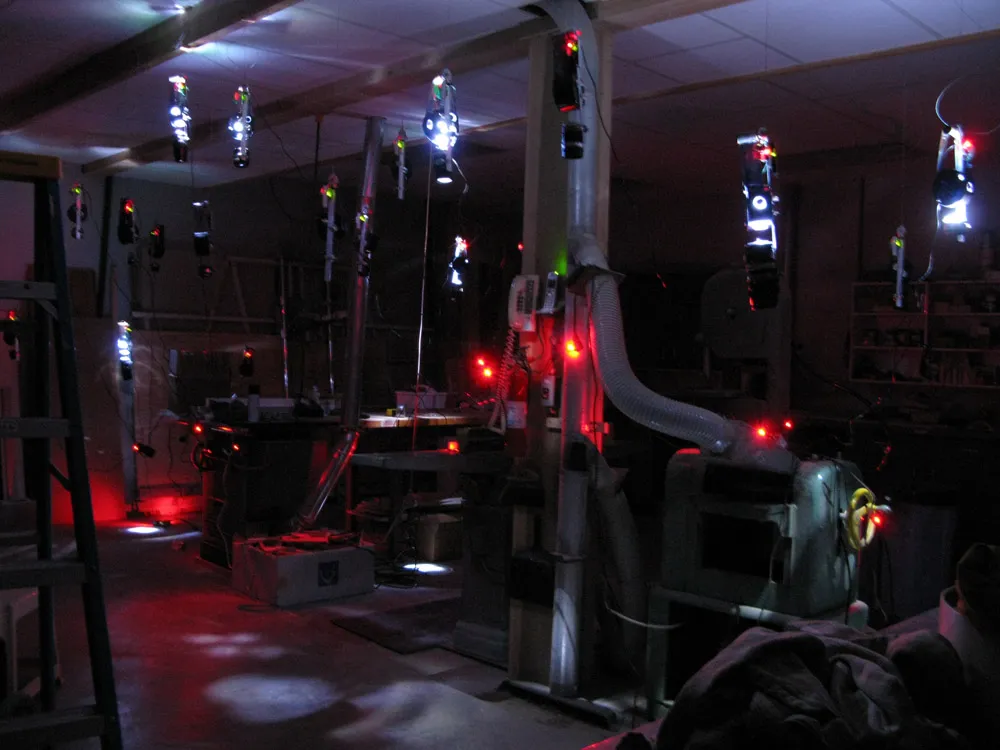
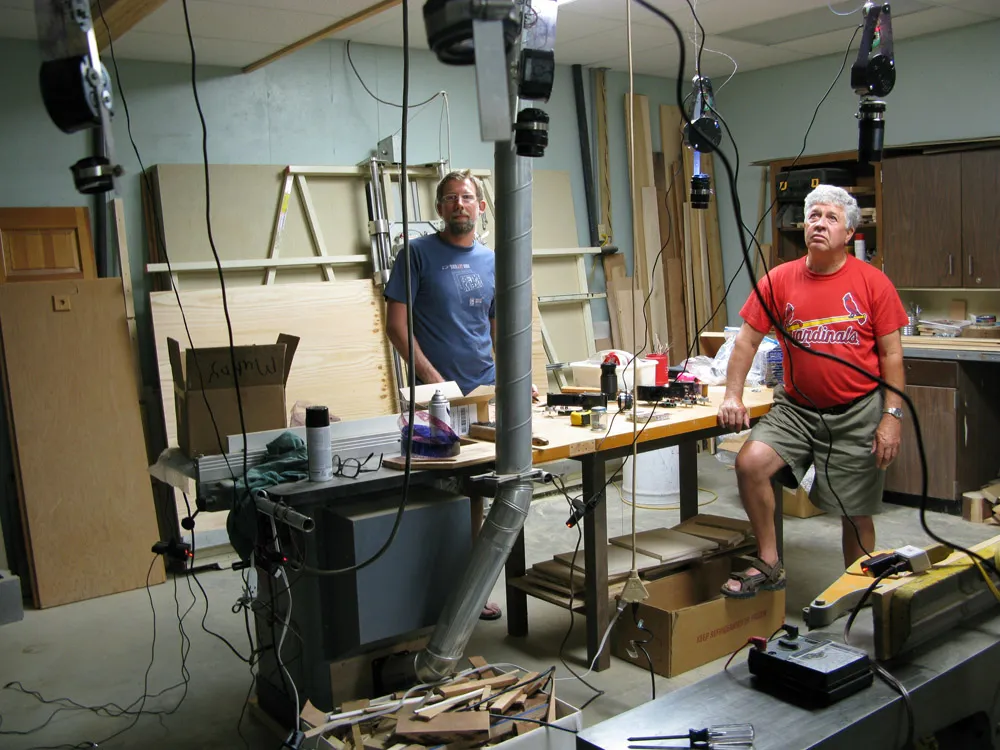
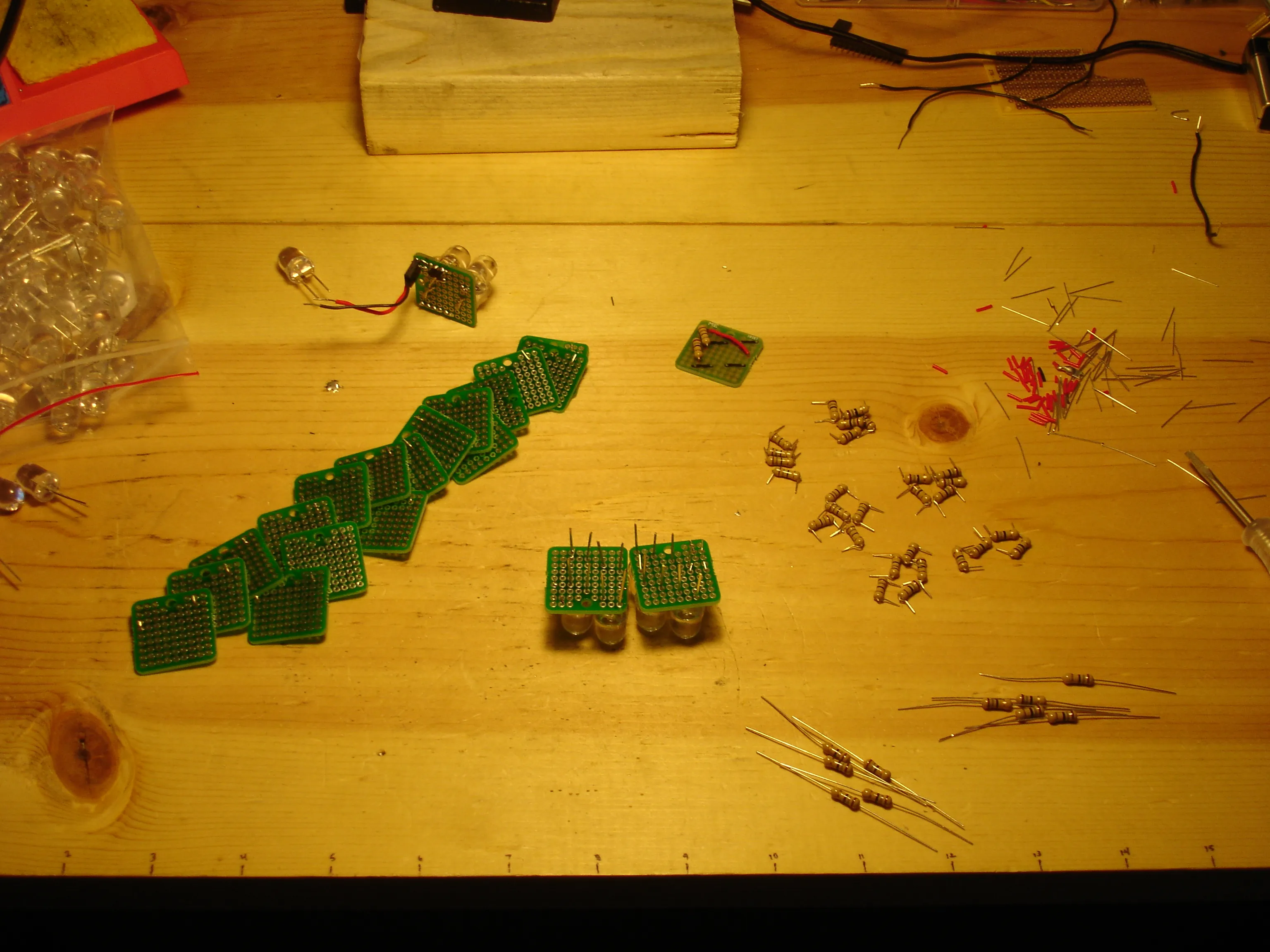
Each device hangs from the ceiling and uses electronic components to rotate strips of satellite images on transparency in front of an LED light source. They are constructed with found materials like camera lenses and consumer by-products and mimic remote sensing devices, bomb sights, and cameras in Unmanned Aerial Vehicles.

The installation includes altered images from various forms of lens-based analysis on a micro and macro scale; land masses, ice sheets, and images of retinas, printed on reflective silver film.

On display now until July 31 at AC Institute 547 W. 27th St, 5th Floor
Hours: Wed., Fri. & Sat.: 1-6pm, Thurs.: 1-8pm

New video by Asa Gauen and images
http://owenmundy.com/site/close_your_eyes

2. Images and video documentation of You Never Close Your Eyes Anymore will also be included in an upcoming Routledge publication and website:

Reframing Photography: Theory and Practice
by Rebekah Modrak, Bill Anthes
ISBN: 978-0-415-77920-3
Publish Date: November 16th 2010
http://www.routledge.com/books/details/9780415779203/

gmmdlogo

3. Give Me My Data launch

Give Me My Data is a Facebook application designed to give users the ability to export their data out of Facebook for any purpose they see fit. This could include making artwork, archiving and deleting your account, or circumventing the interface Facebook provides. Data can be exported in CSV, XML, and other common formats. Give Me My Data is currently in public-beta.

Website
http://givememydata.com/

Facebook application
http://apps.facebook.com/give_me_my_data/

logo_nyt

4. Give Me My Data was also covered recently by the New York Times, BBC, TechCrunch, and others:

Facebook App Brings Back Data by Riva Richmond, New York Times, May 1, 2010

http://gadgetwise.blogs.nytimes.com/2010/05/01/facebook-app-brings-back-data/

Picture 6

5. yourarthere.net launch

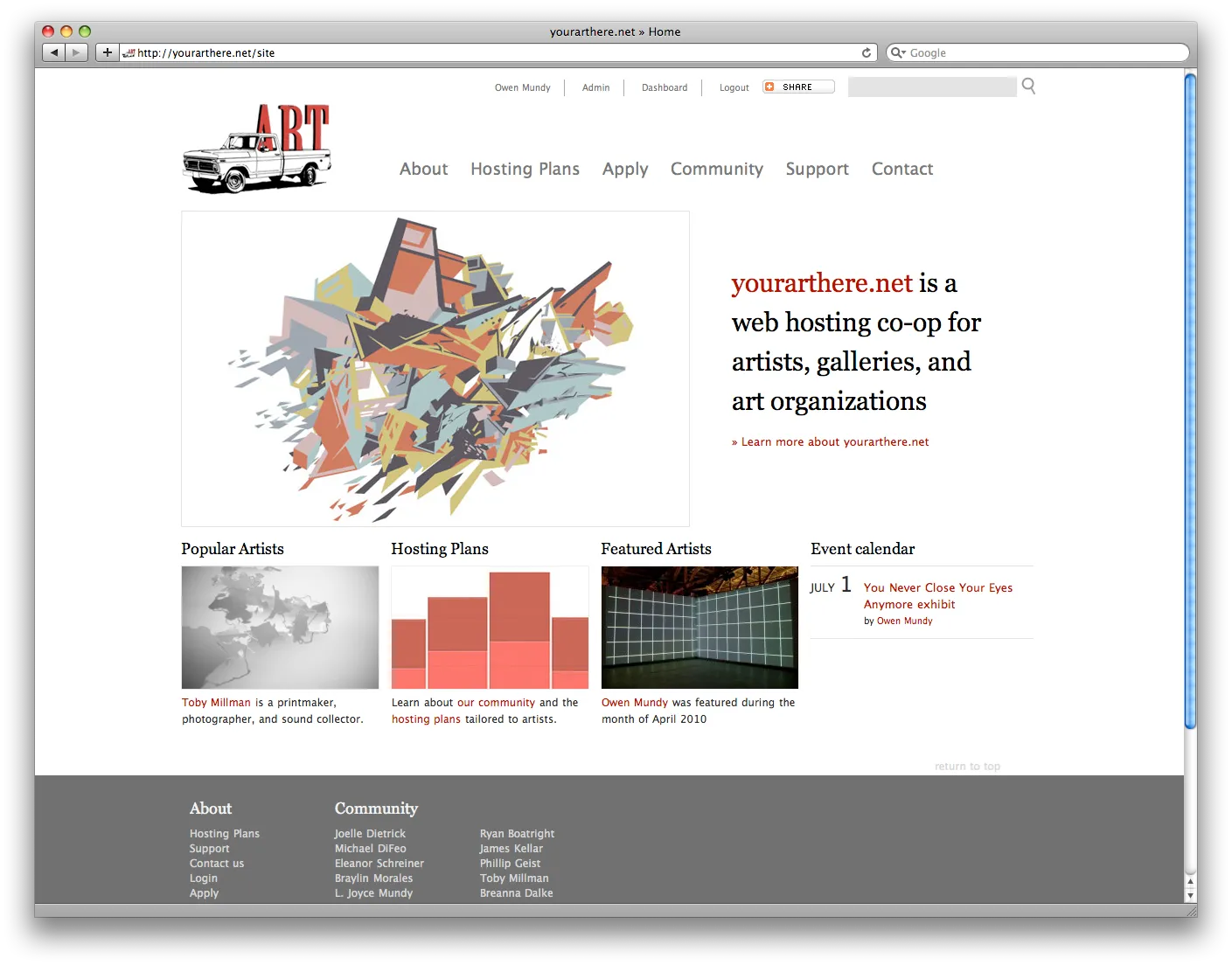
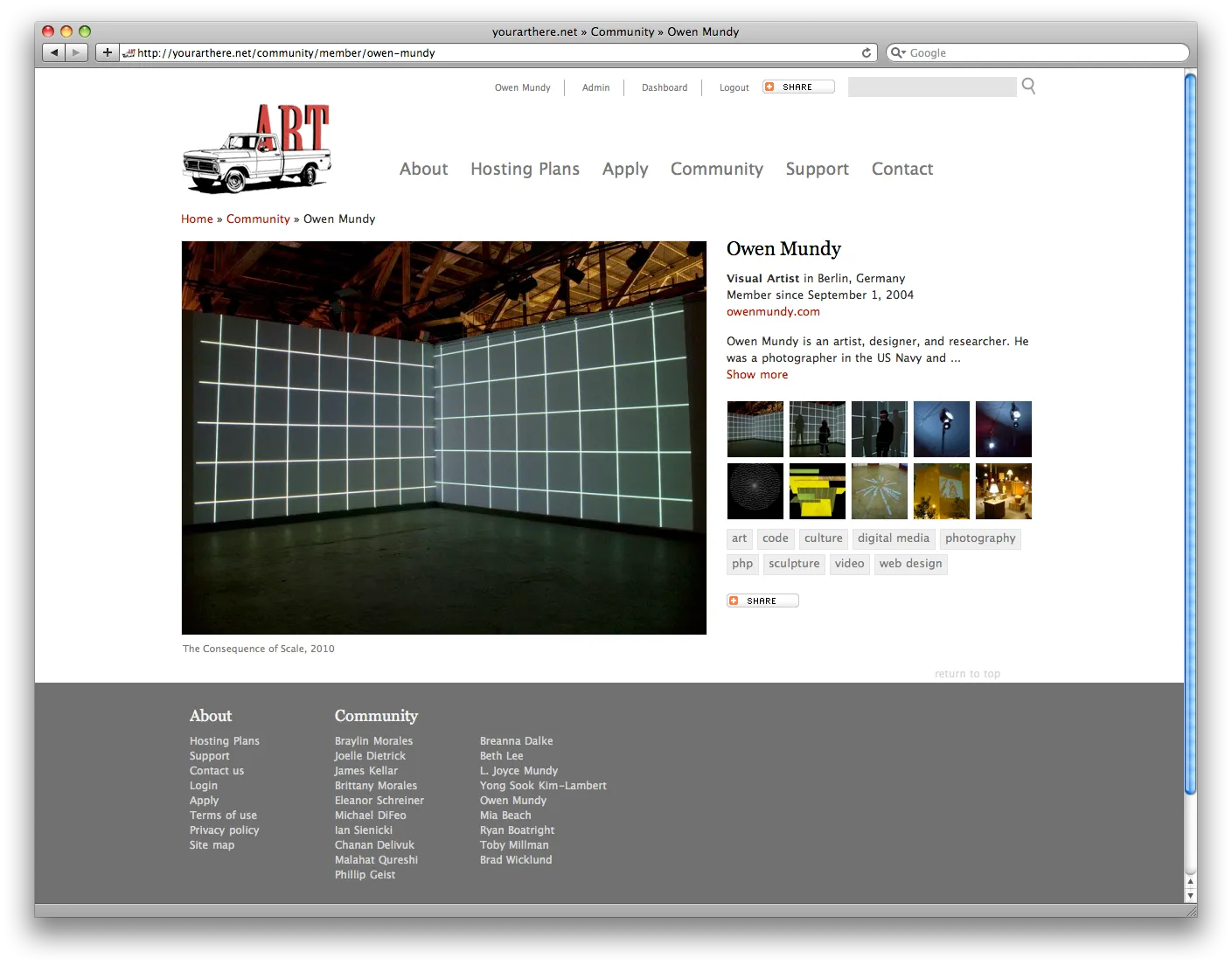
A major server and website upgrade to the yourarthere.net web-hosting co-op for artists and creatives. The new site allows members of the community to create profiles and post images, tags, biography, and events. In addition to the community aspect, yourarthere.net is still the best deal going for hosting your artist website.

Website
http://yourarthere.net

More images
http://owenmundy.com/site/design_yourarthere_net

americans_nwfsc_0033_1000w

6. The Americans

The Americans is currently on view at the Northwest Florida State College in Niceville, FL. It features a new work with the same title.

More images
http://owenmundy.com/site/the-americans

bb101_schematic_oblique

7. Your Art Here billboard hanger

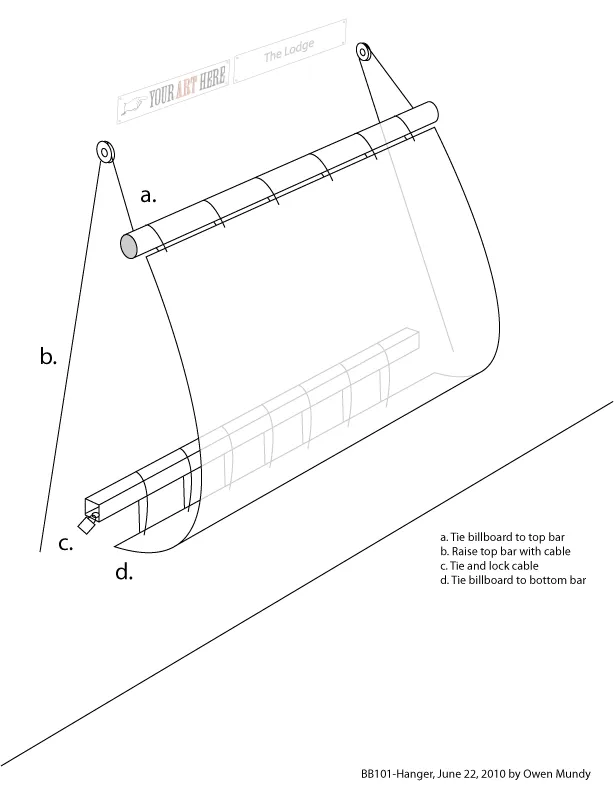
I recently designed a new billboard hanging device and installed it in downtown Bloomington, IN with the help of my brother Reed, and wife Joelle Dietrick.

Stay tuned here for news about Your Art Here and the new billboard by Joelle Dietrick.
http://www.facebook.com/pages/Your-Art-Here/112561318756736

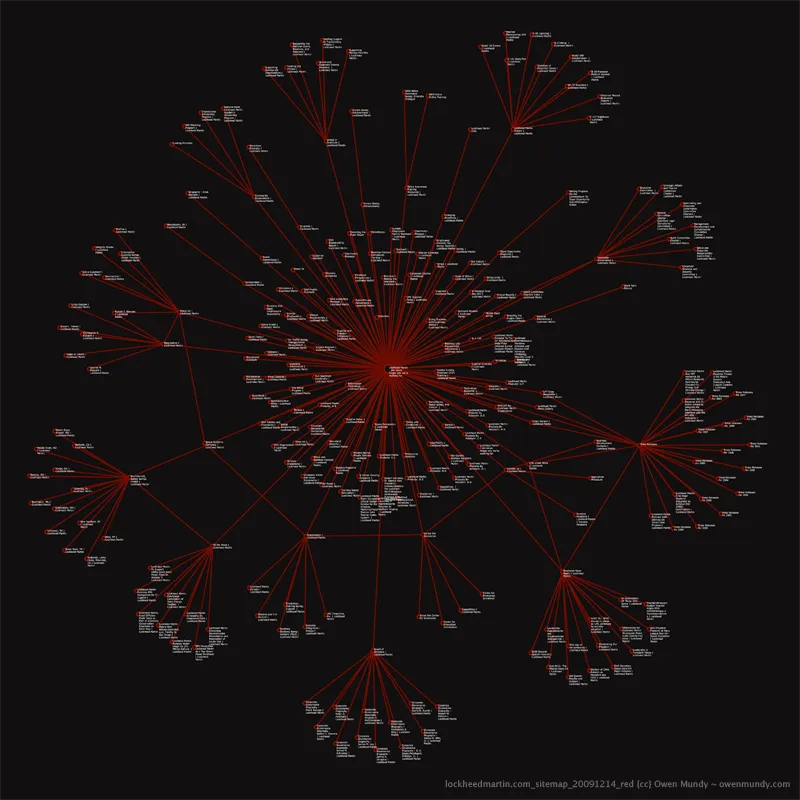
lockheedmartin.com_sitemap_20091214_red_800w

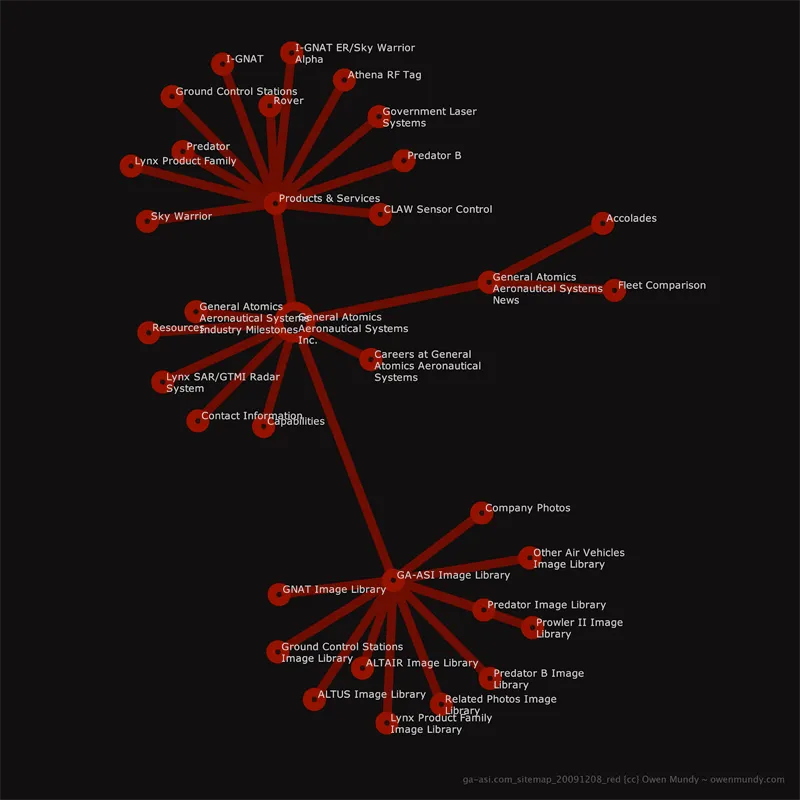
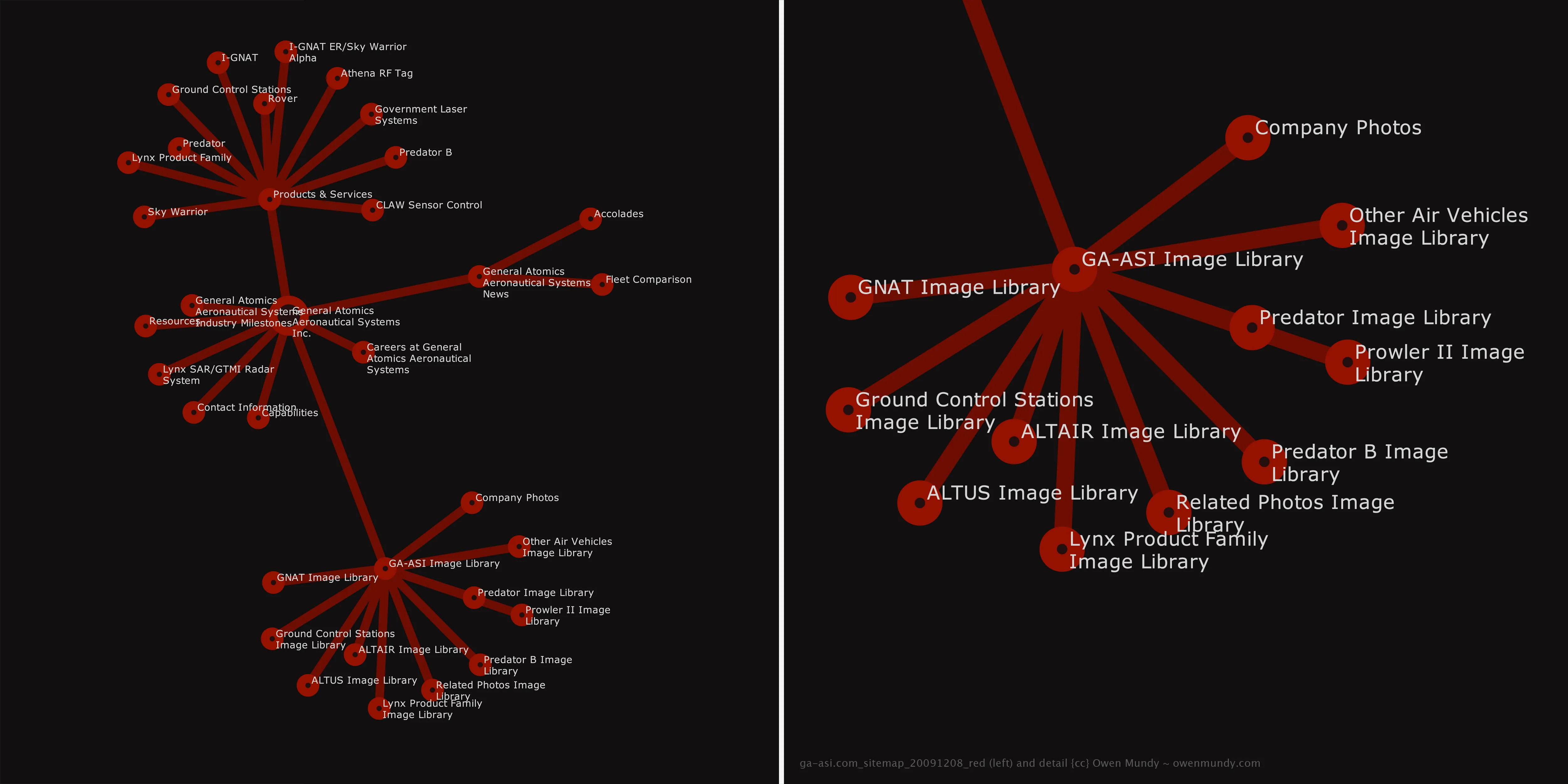
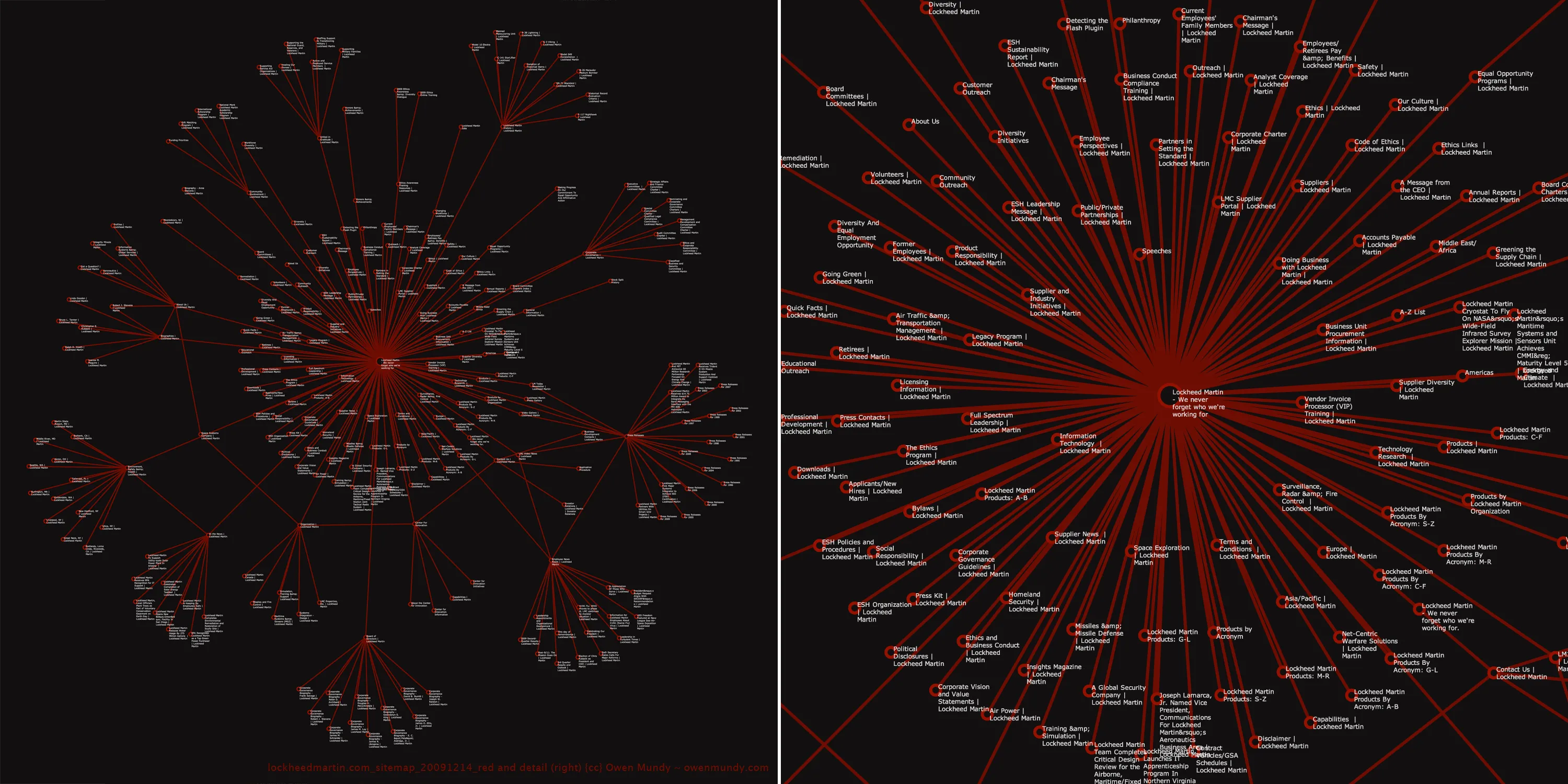
8. Finally, moving to Berlin for a year on a DAAD fellowship to work on some ongoing projects, including Automata.

More images
https://owenmundy.com/blog/2010/07/new-automata-sitemaps/

I’ll be giving a paper about Automata at the upcoming ISEA2010 conference in Ruhr, Germany.
http://www.isea2010ruhr.org/conference/tuesday-24-august-2010-dortmund

Many thanks to Chris Csikszentmihályi, Director of the Center for Future Civic Media http://civic.mit.edu/ , for inviting me to the MIT Media Lab last August to discuss the project with his Computing Culture Group: http://compcult.wordpress.com/

You Never Close Your Eyes Anymore (new video by Asa Gauen)

I am very much enjoying the video my friend, Asa Gauen, is working on for You Never Close Your Eyes Anymore, which is installed at AC Institute in New York until July 31.

Schematic for You Never Close Your Eyes Anymore

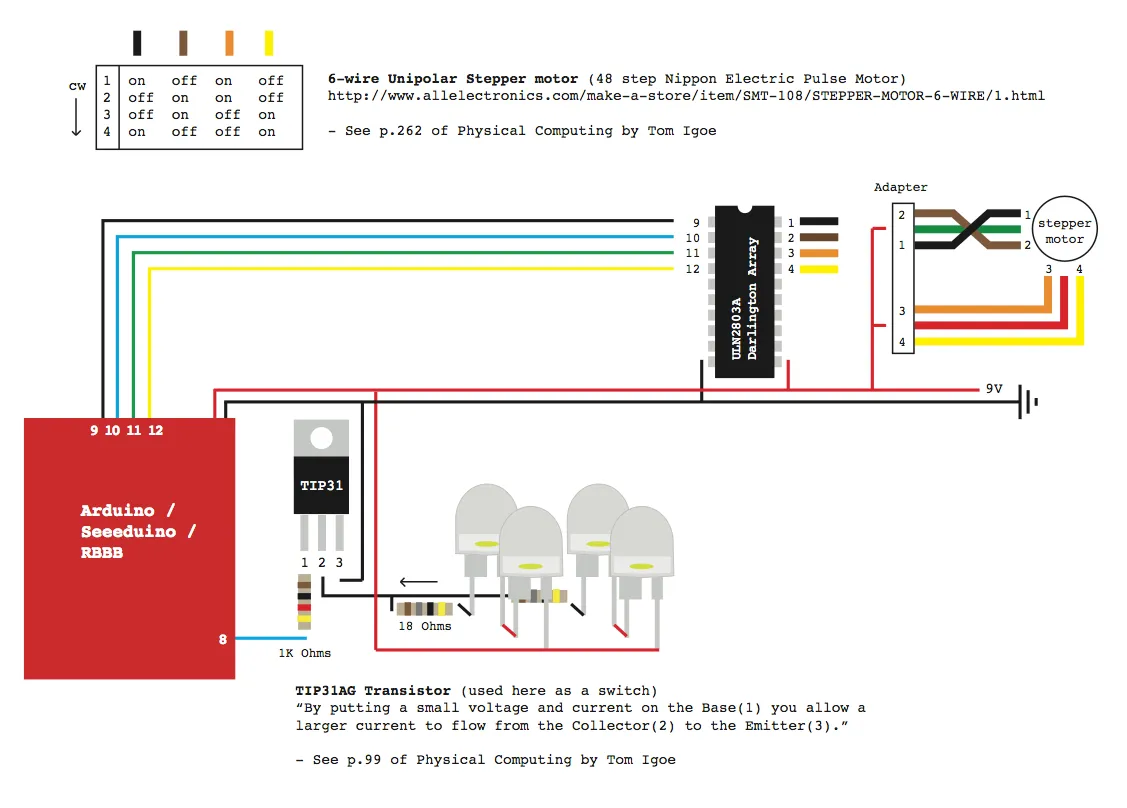
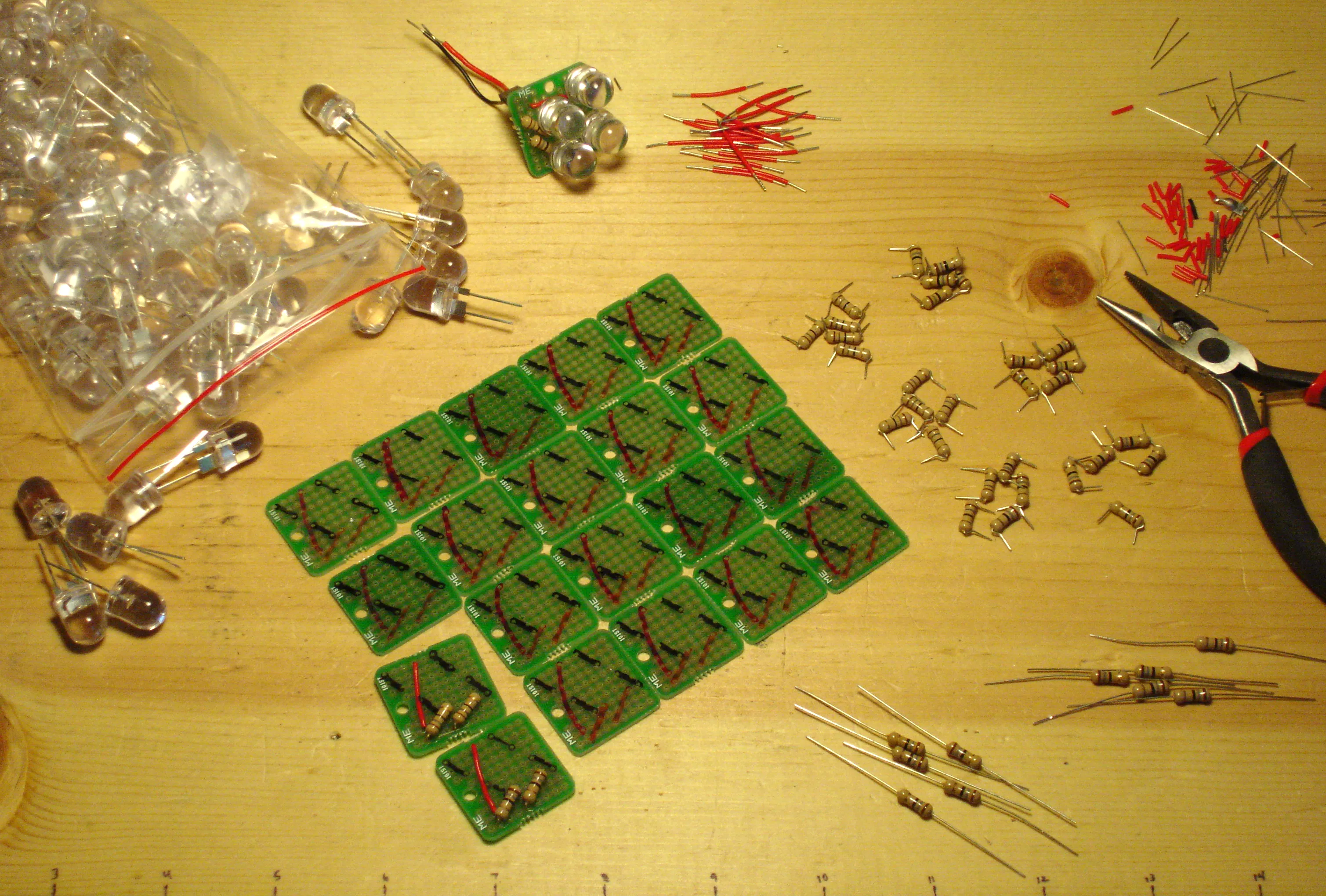
“Open sourcing” the schematic for the electronic components for You Never Close Your Eyes Anymore.

Picture 5

Products:

RBBB boards (Arduino clone)
custom-designed circuits
– female headers
– TIP31 transistor
– 6-wire Unipolar Stepper motor (48 step Nippon Electric Pulse Motor)
– ULN2803A Darlington Array
– hook-up wire
– various resistors
– LEDs
used camera lenses
aluminum “flat bar”
hose clamps
rubber wine corks
various mounting hardware

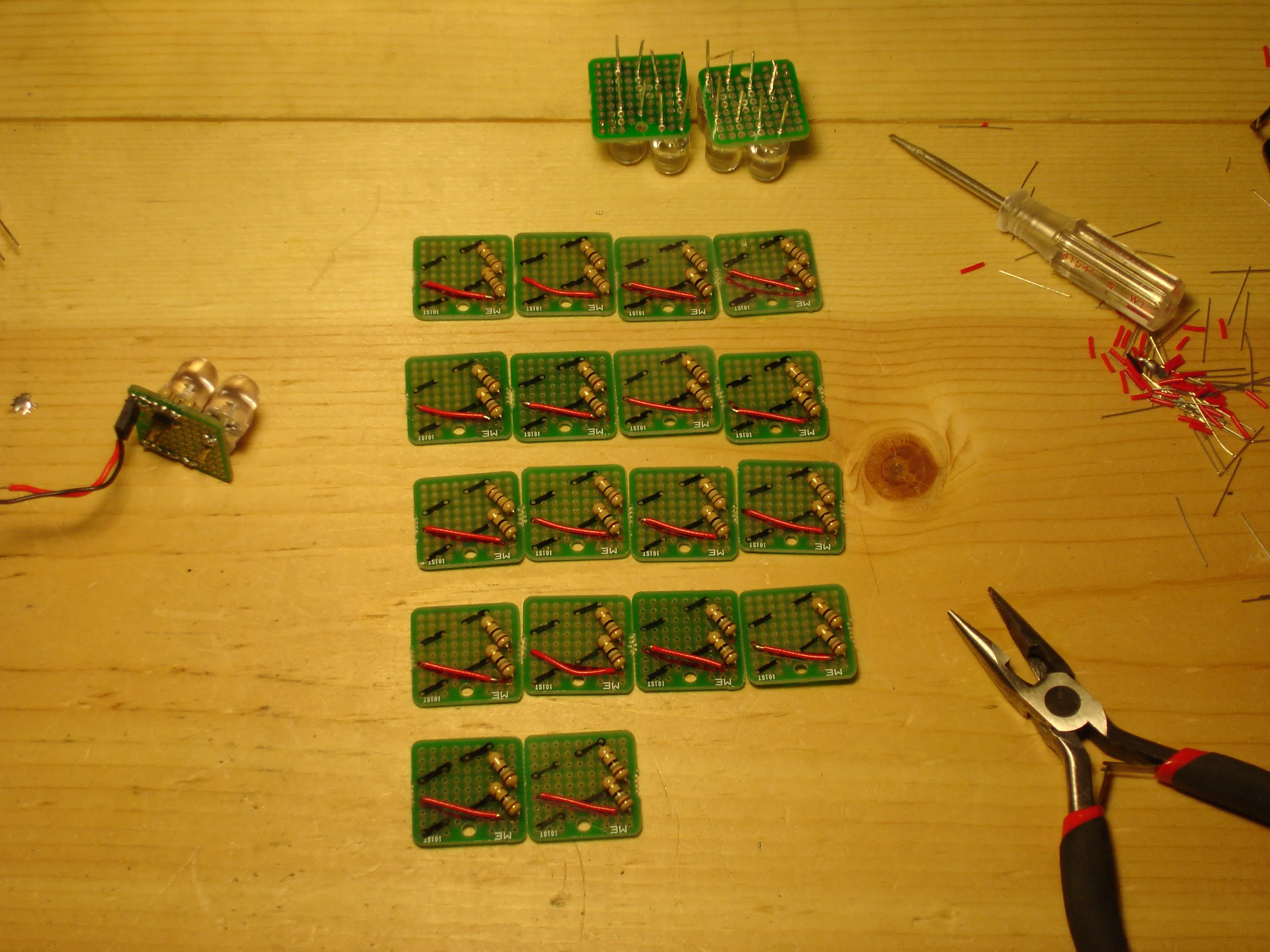
Fruit of my labor

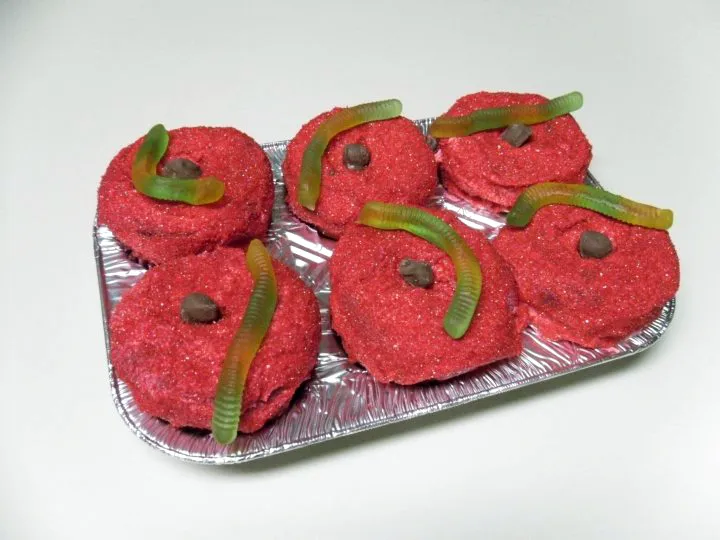
“Apple for teacher” birthday cupcakes from students. White cake, with red ‘sparkly’ icing, a chocolate-covered hazelnut, and a gummy worm = gold stars all around!

Call for entries: Power

logo_blue2

This issue of Drain attempts to expose the cultural faciality of power, as well as manifestations of power as simulacra, which obfuscate traditional inquiries into its construction. If power connects the virtual and the actual, how does cultural creativity channel or destabilize this connectivity? The corporate-academic-entertainment-military-industrial complex and its front-end, the global information machine floods us with images, and images of images, to cause sensory overload, and yet at the same time, acute sensory deprivation. Most of all, power entrenches a visual literacy that allows us to see only its style, leaving us unable to access other ways of seeing and becoming. How can we parody this visual literacy, and the speed, cadence and grammar of this power and its affects?

If the simulation of power is necessary and absolute, can creative acts and molecular politics slip through the surveillance and desensitizing of territorializing systems?

This issue of Drain invites artwork, papers, and other creative works to actualize answers to these questions and re-channel them into different connectivities, ways of becoming and conceptual production.

Submission deadline: Sep 15, 2010
Please send submissions to:

Owen Mundy owen -at- drainmag -dot- org
or
Avantika Bawa avantika -at- drainmag -dot- org

Die peinlichsten Einträge bei Facebook, StudiVZ und Twitter

565px-Bild_logo.svg

Give Me My Data mentioned in a Bild article:

Die peinlichsten Einträge bei Facebook, StudiVZ und Twitter The most embarrassing messages on Facebook, StudiVZ, and Twitter (English), May 22, 2010
Read the full translation

(translated from German) “Many users are unaware that their comments will be permanently stored in networks. For example Facebook can retrieve all stored Stautusmeldungen. The U.S. Professor Owen Mundy has a developed application, Facebook members ever entered all the data and displays the posts. Under “Select Data”, you select which data you want to see (for example, personal data, status messages). Here also dive old, long deleted on posts, which are provided with a time code. Facebook apparently never forgets.”

New yourarthere.net website is live

After 4 months the new yourarthere.net website and member-run content management system is now live. Thanks to Braylin and Brittany Morales, Beth Lee, and Chris Cumbie for all their hard work.

The site is valid XHTML/CSS and runs on PHP/MySQL using the Codeigniter framework. All the details from our research from inception onward are archived here.

This site is based around the idea that members should have control of the content on the website. Every member has a profile where they can add images, text, tags, and events to promote their artwork or group. Members can create a new profile for every domain they host with yourarthere.nets.

Picture 6

Picture 8

Everything You Ever Wanted to Know But Were Afraid to Ask

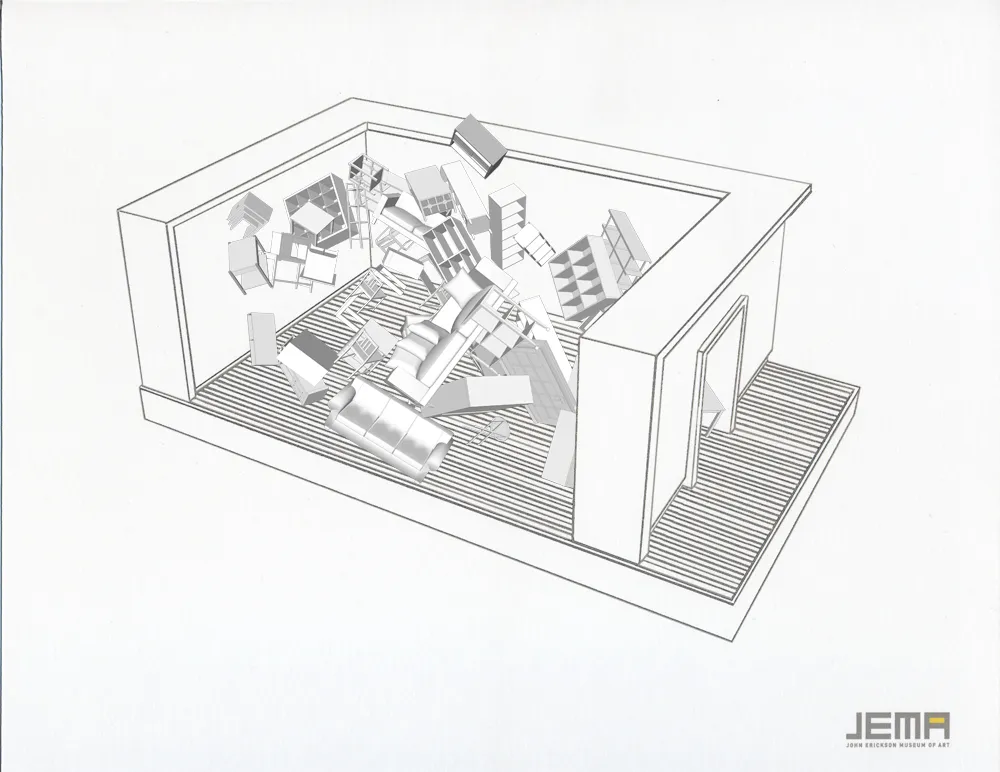
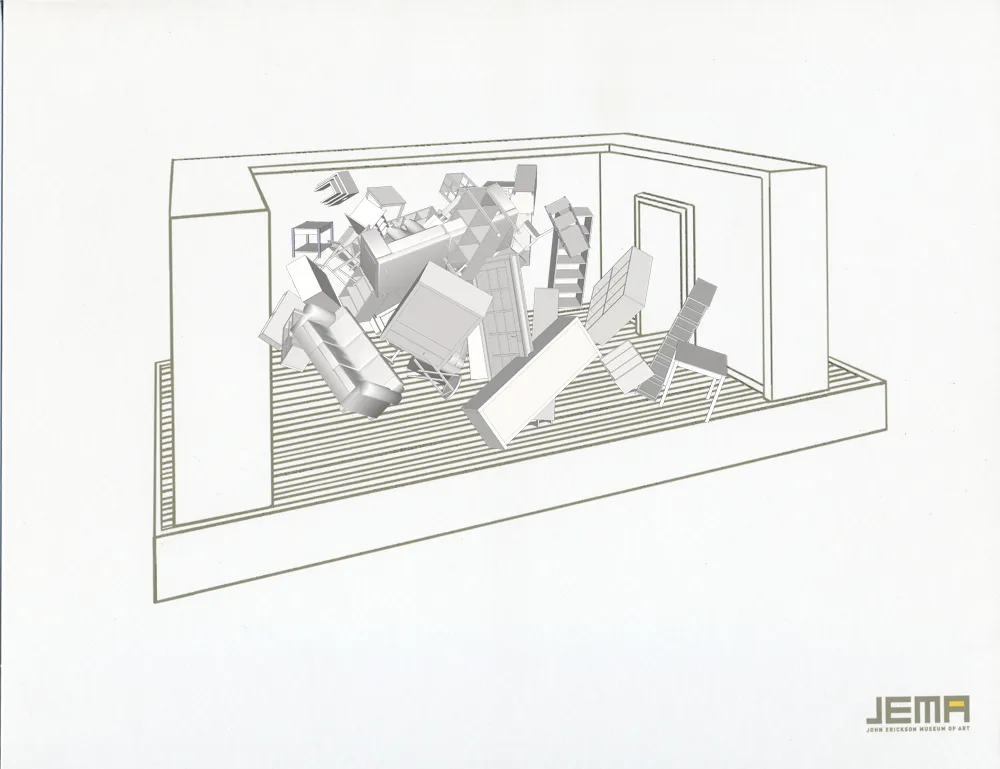
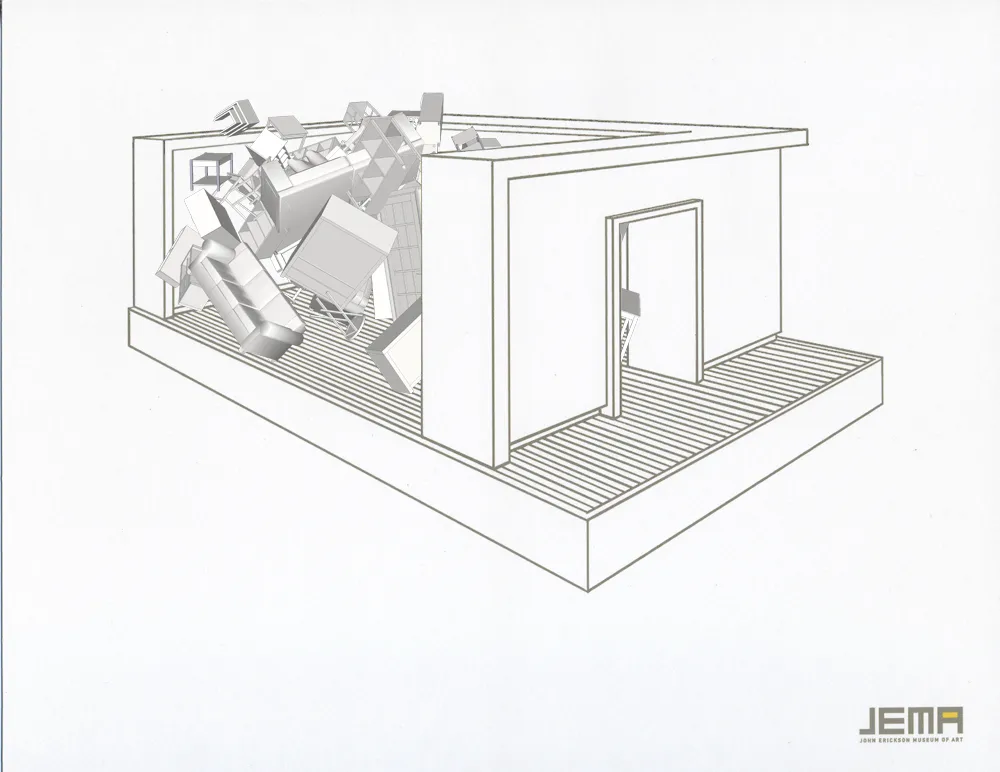
Joelle Dietrick and I sent images this week to two international group shows at the Golden Thread Gallery in Belfast, Northern Ireland, U.K. and the Raccolte Frugone Museum in Genoa, Italy. We were invited to submit proposals that “could not be realized” to Sean Miller, who curated the exhibitions as part of his John Erickson Museum of Art project.

oj_JEMA_right-front_1000w

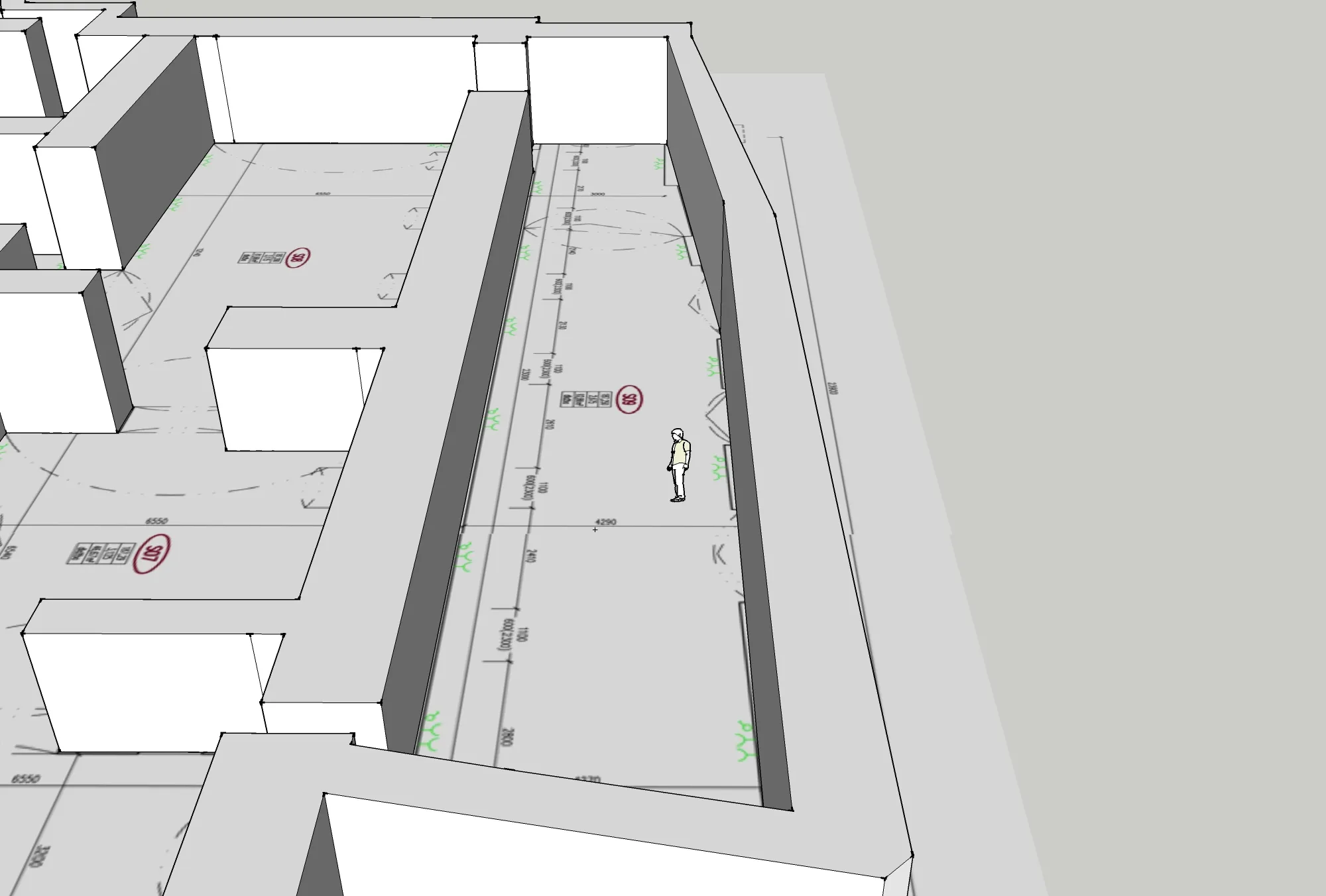
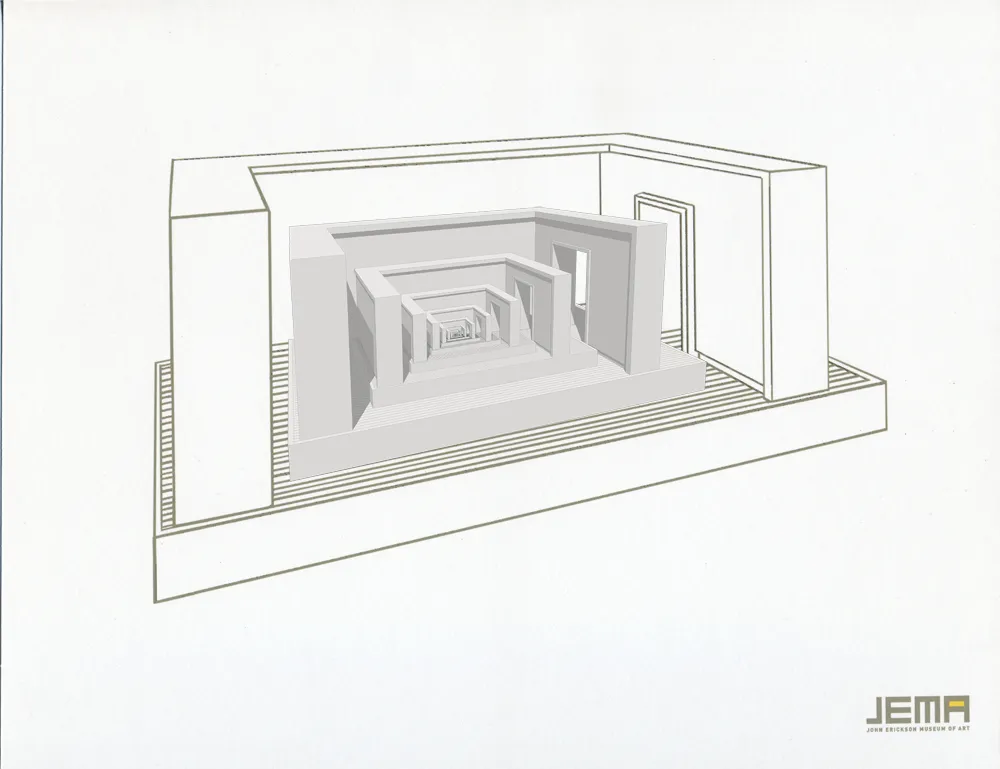
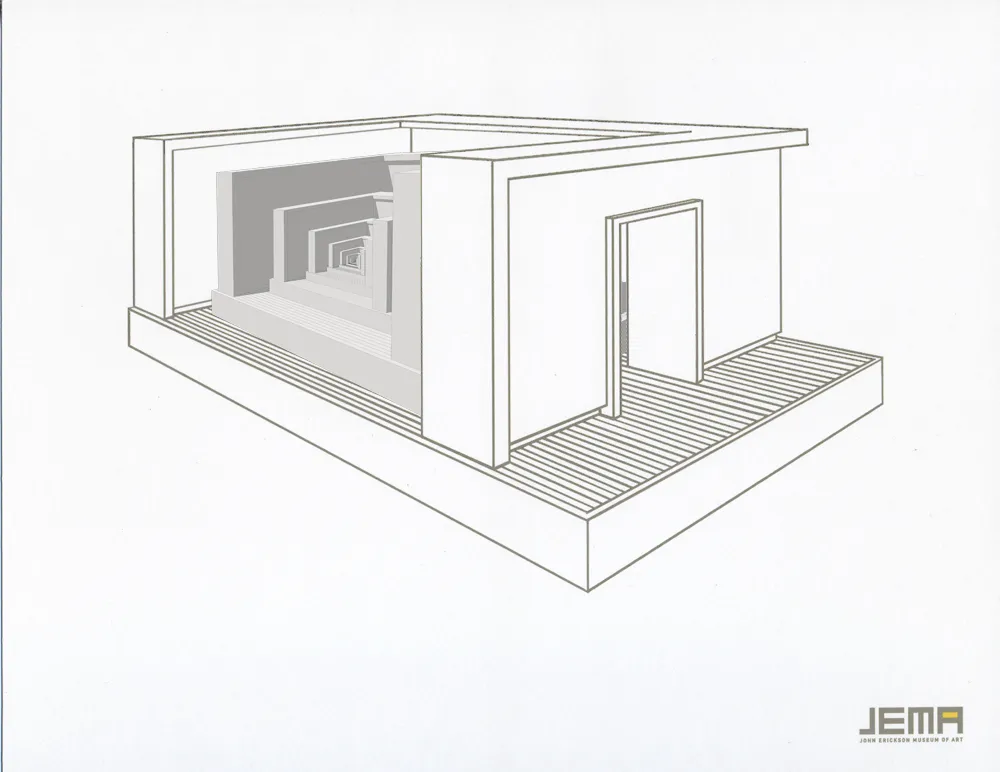
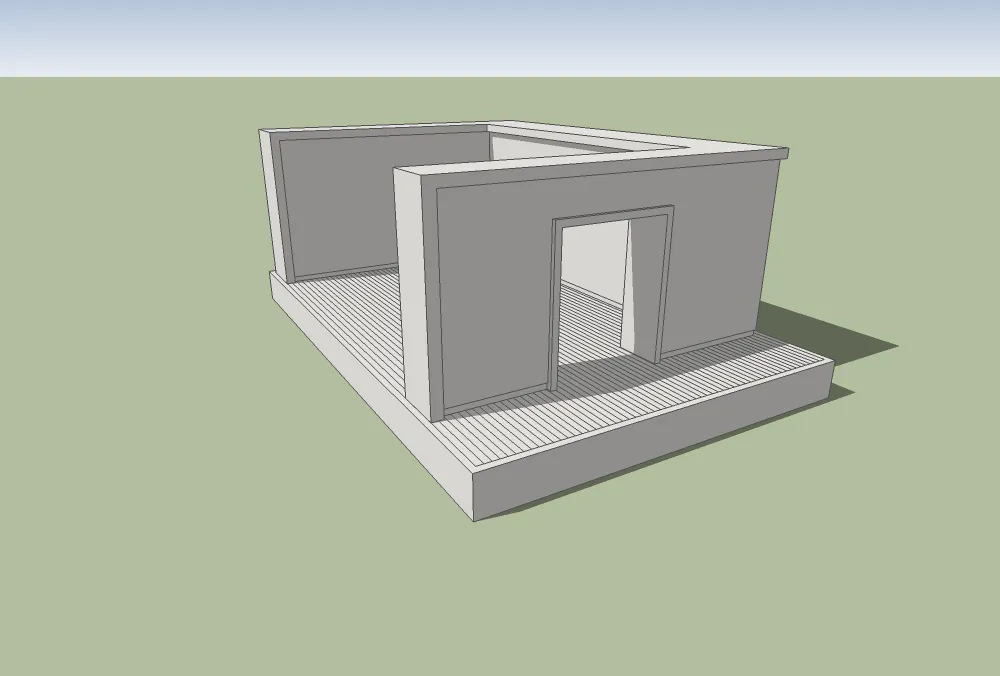
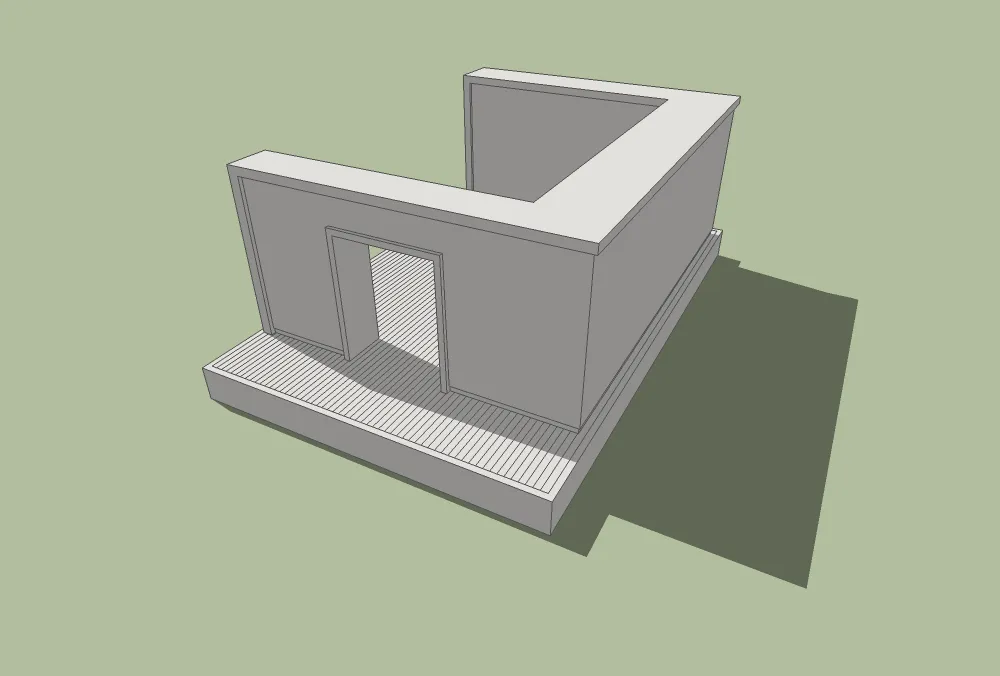
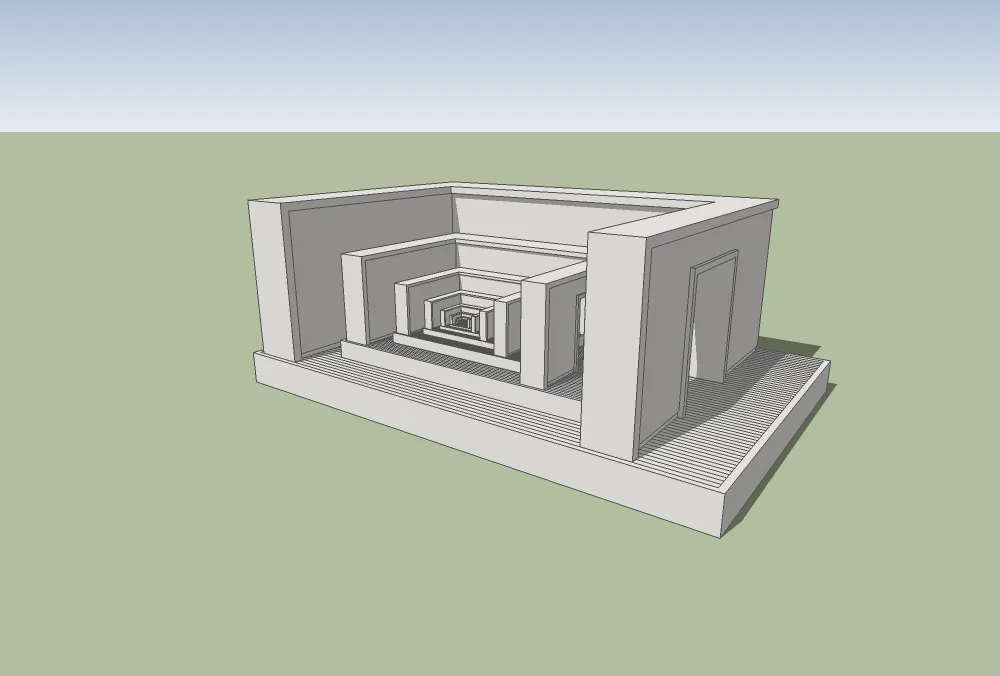
Our process involved first constructing a 3-dimensional model of the space. I did this using Google SketchUp.

oj_JEMA_right-back_1000w

A different view of the final model.

oj_JEMA_multi_1000w

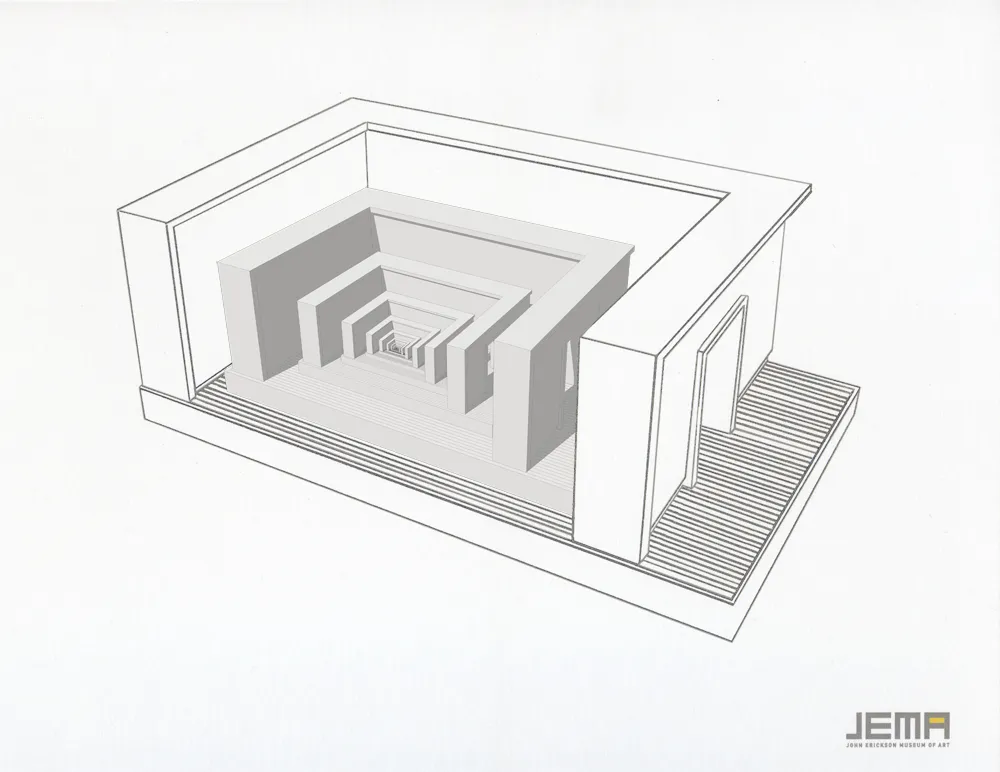
The first work, Everything You Ever Wanted to Know But Were Afraid to Ask, constructed inside the space using SketchUp.

Following are the final works on paper.

multi_iso_top_1000w

Everything You Ever Wanted to Know But Were Afraid to Ask, 11×8.5″, archival inkjet on paper, 2010
multi_iso_left_1000w

Everything You Ever Wanted to Know But Were Afraid to Ask, 11×8.5″, archival inkjet on paper, 2010
multi_iso_right_1000w

Everything You Ever Wanted to Know But Were Afraid to Ask, 11×8.5″, archival inkjet on paper, 2010
furniture_iso_top_1000w

JEMA.3333, 11×8.5″, archival inkjet on paper, 2010

furniture_iso_left_1000w

JEMA.3333, 11×8.5″, archival inkjet on paper, 2010

furniture_iso_right_1000w

JEMA.3333, 11×8.5″, archival inkjet on paper, 2010

NC_CARD

Museum All-Over
June 4-August 29, 2010
John Erickson Museum of Art: Next Chapter and
Raccolte Frugone Museum
Genoa, Italy

Little Wonder
June 4-June 17, 2010
John Erickson Museum of Art: Next Chapter and
Golden Thread Gallery
Belfast, Northern Ireland
U.K.

Hello World

Considering sharing the source code behind Give Me My Data on GitHub. Looks like its great for archiving, improving, and sharing…

Posted in code

“Facebook’s Disconnect: Open Doors, Closed Exits” – TechCrunch

Picture 1

More press for Give Me My Data, this time by Rohit Khare from TechCrunch (thanks for the note Evan.).

“Give Me My Data has a more open-ended design that supports exploration and experimentation, in part because it sports an impressive array of formats to download your friend lists and other information for use in other projects such as visualization and charting. Owen Mundy at Florida State originally developed it for his own use, but “this week it kind of exploded because of the interface changes.” That could either be a sign of broader awareness of how much data users share with Facebook; or it could be the acute interest users have in putting profile data that Facebook “lost” right back onto Facebook (a feature that may be coming soon).”

Posted in press

Fading an LED with PWM and a Potentiometer

Using a potentiometer and PWM on an Arduino to fade an LED.

  1. /* POT to LED test -> by Owen Mundy March 11, 2010
  2. from: http://itp.nyu.edu/physcomp/Labs/AnalogIn
  3. —————————————————————*/
  4. int potPin = 0; // Analog input pin that the potentiometer is attached to
  5. int potValue = 0; // value read from the pot
  6. int led = 9; // PWM pin that the LED is on. n.b. PWM 0 is on digital pin 9
  7. void setup() {
  8. // initialize serial communications at 9600 bps:
  9. Serial.begin(9600);
  10. // declare the led pin as an output:
  11. pinMode(led, OUTPUT);
  12. }
  13. void loop() {
  14. potValue = analogRead(potPin); // read the pot value
  15. analogWrite(led, potValue/4); // PWM the LED with the pot value (divided by 4 to fit in a byte)
  16. Serial.println("hello"); // print the pot value back to the debugger pane
  17. delay(10); // wait 10 milliseconds before the next loop
  18. }

Here is the schematic for the above project.

potentiometer_to_led

Using PWM and a potentiometer to fade an LED and drive a stepper motor, powered by a Boarduino RBBB.

  1. /*
  2. Owen Mundy
  3. July 29, 2009
  4. p. 262 of Physical Computing
  5. Using BBB to run stepper motor by manually moving steppers
  6. */
  7. int pin1 = 3; // PWM
  8. int pin2 = 5; // PWM
  9. int pin3 = 6; // PWM
  10. int pin4 = 9; // PWM
  11. int ledpin = 13; // LED
  12. int led = false; // LED monitor
  13. int motor_time_lapse = 80;
  14. int potPin = 0; // Analog input pin that the potentiometer is attached to
  15. int potValue = 0; // value read from the pot
  16. int ledPotPin = 11; // PWM pin that the LED is on. n.b. PWM 0 is on digital pin 9
  17. void setup()
  18. {
  19. pinMode(pin1, OUTPUT); // sets the pin as output
  20. pinMode(pin2, OUTPUT); // sets the pin as output
  21. pinMode(pin3, OUTPUT); // sets the pin as output
  22. pinMode(pin4, OUTPUT); // sets the pin as output
  23. pinMode(ledpin, OUTPUT); // sets the pin as output
  24. // initialize serial communications at 9600 bps:
  25. Serial.begin(9600);
  26. // declare the led pin as an output:
  27. pinMode(ledPotPin, OUTPUT);
  28. }
  29. void loop()
  30. {
  31. potValue = analogRead(potPin); // read the pot value
  32. analogWrite(ledPotPin, potValue/4); // PWM the LED with the pot value (divided by 4 to fit in a byte)
  33. Serial.println(potValue);
  34. digitalWrite(pin1, HIGH); // on
  35. digitalWrite(pin2, LOW); // off
  36. digitalWrite(pin3, HIGH); // on
  37. digitalWrite(pin4, LOW); // off
  38. delay(motor_time_lapse); // wait
  39. digitalWrite(pin1, LOW); // off
  40. digitalWrite(pin2, HIGH); // on
  41. digitalWrite(pin3, HIGH); // on
  42. digitalWrite(pin4, LOW); // off
  43. delay(motor_time_lapse); // wait
  44. digitalWrite(pin1, LOW); // off
  45. digitalWrite(pin2, HIGH); // on
  46. digitalWrite(pin3, LOW); // off
  47. digitalWrite(pin4, HIGH); // on
  48. delay(motor_time_lapse); // wait
  49. digitalWrite(pin1, HIGH); // on
  50. digitalWrite(pin2, LOW); // off
  51. digitalWrite(pin3, LOW); // off
  52. digitalWrite(pin4, HIGH); // on
  53. delay(motor_time_lapse); // wait
  54. blink();
  55. }
  56. void blink()
  57. {
  58. if (led == false)
  59. {
  60. led = true;
  61. digitalWrite(ledpin, HIGH); // on
  62. }
  63. else
  64. {
  65. led = false;
  66. digitalWrite(ledpin, LOW); // on
  67. }
  68. }

PHP: Timestamp validator and converter

  1. <?php
  2. /*
  3. * Timestamp validator and converter
  4. * {cc} Owen Mundy ~ owenmundy.com
  5. *
  6. */
  7. function convert_date($string)
  8. {
  9. // make sure it is a string with a number && > 1992-05-07 && < 2033-05-18
  10. if(ctype_digit($string)&&$string>=800000000&&$string<=1999999999)
  11. {
  12. // if so convert it to a human-readable date
  13. $d=date(‘Y-m-d H:i:s’,$string);
  14. return$d;
  15. }
  16. else
  17. {
  18. returnfalse;
  19. }
  20. }
  21. print convert_date("1613199869");
  22. ?>

Thanks

“Facebook App Brings Back Data by Riva Richmond” – The New York Times

logo_nyt

Facebook App Brings Back Data by Riva Richmond, New York Times, May 1, 2010

“The app is “making hackers out of regular users,” says the developer, Owen Mundy, an assistant professor in Florida State University’s art department. And it’s giving them a way to exercise ownership rights over their data. (After all, Facebook’s Statement of Rights and Responsibilities says users “own all of the content and information” they have posted on Facebook.)”

Give Me My Data updates

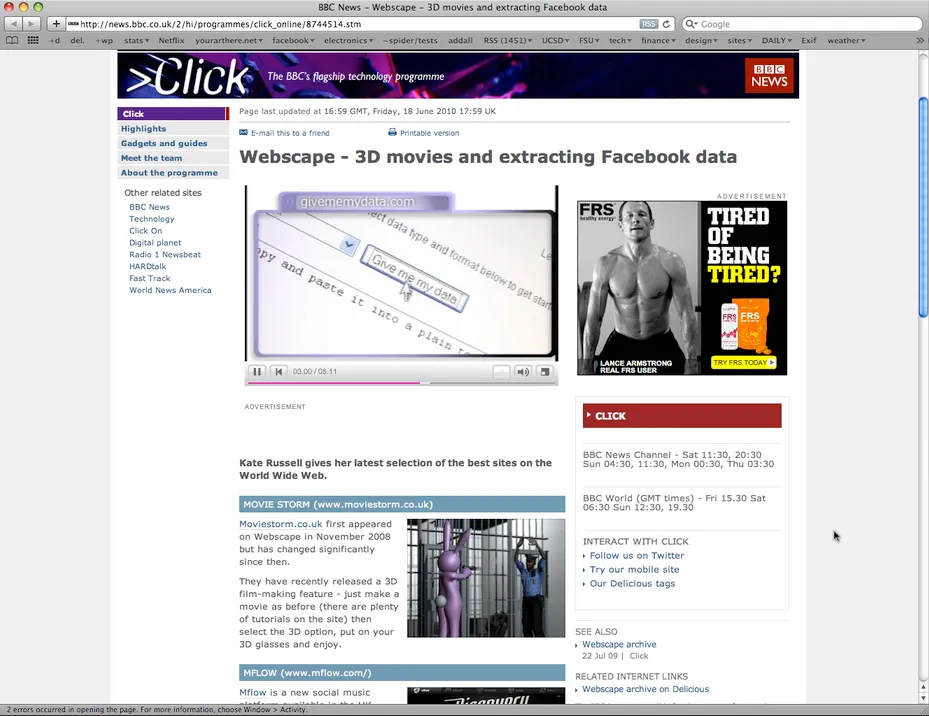
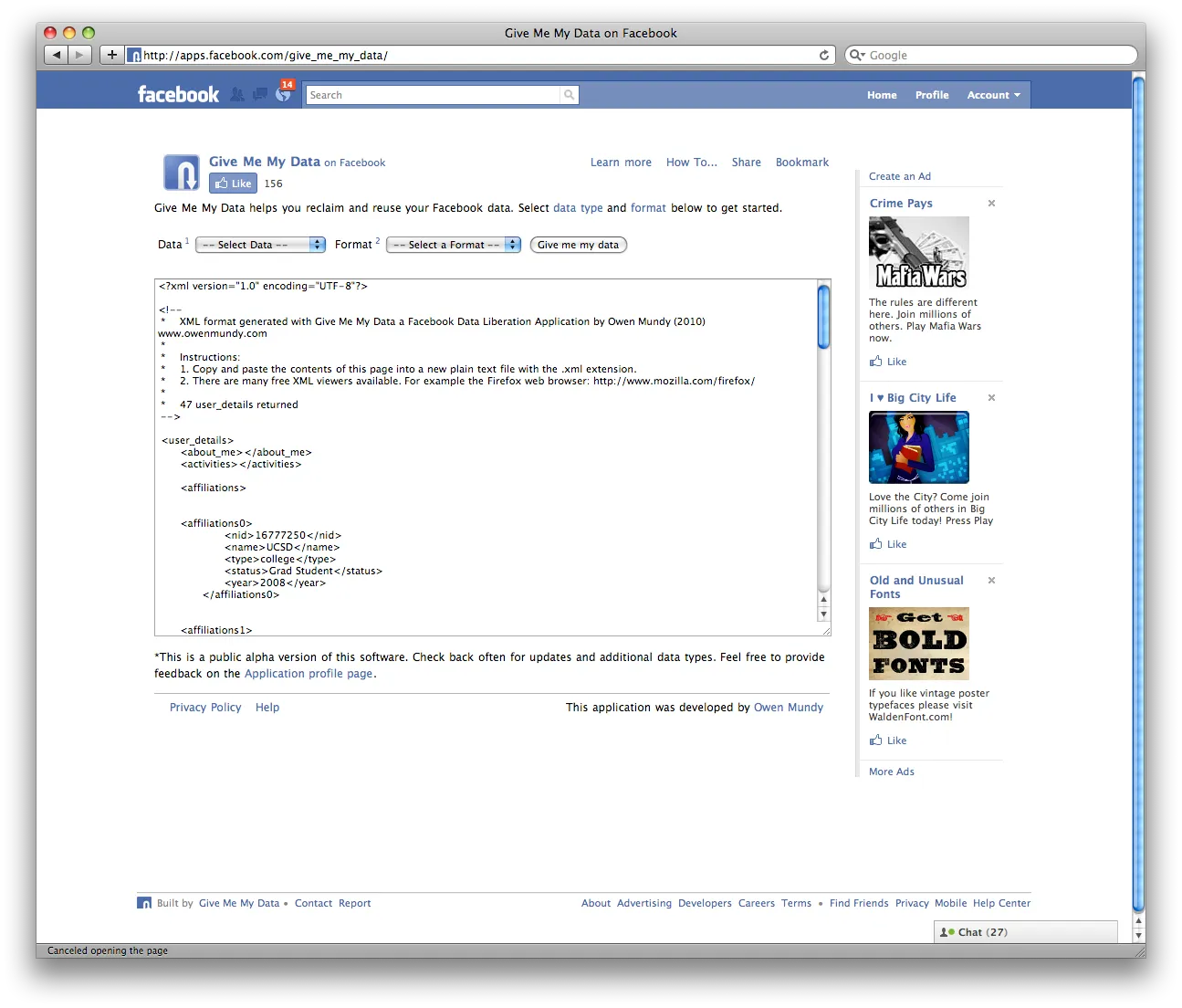
Give Me My Data is a Facebook application that helps you reclaim and reuse your facebook data. It is currently in-development but starting to receive an amazing amount of traffic from Facebook users. Apparently the developers at Facebook made a change to the interface this week leaving many users unable to find or display specific information they had added to their pages. Give Me My Data helps users circumvent the problems they are having with the interface by giving them another way to access their data.

Due to the amount of questions I have received about the application I decided to launch a new website to share information about it here: givememydata.com

website_20100428

app_20100428


Facebook application interface

stats_20100428_map


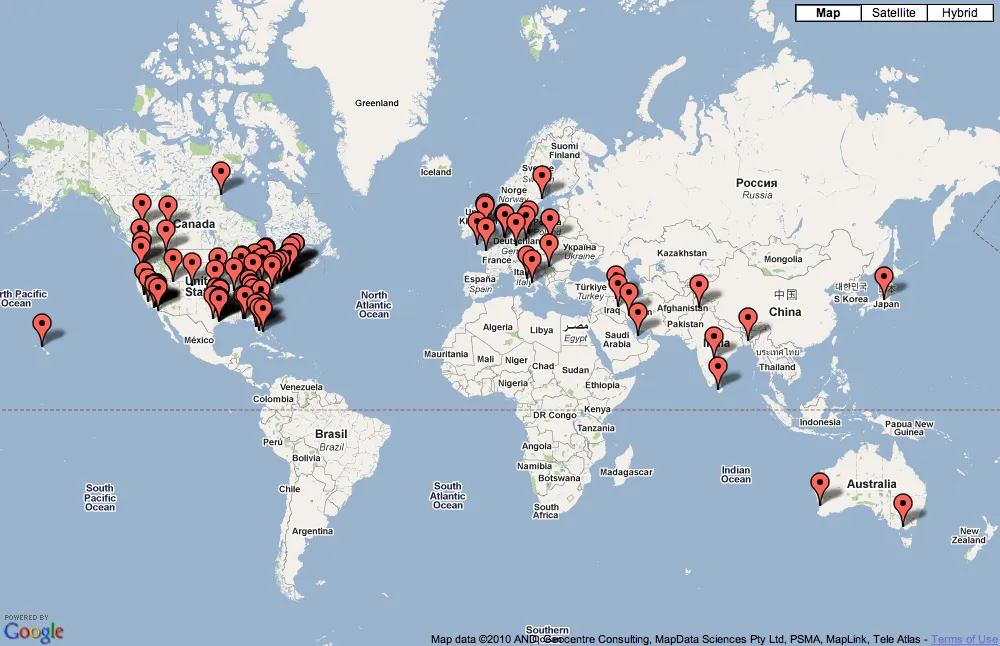
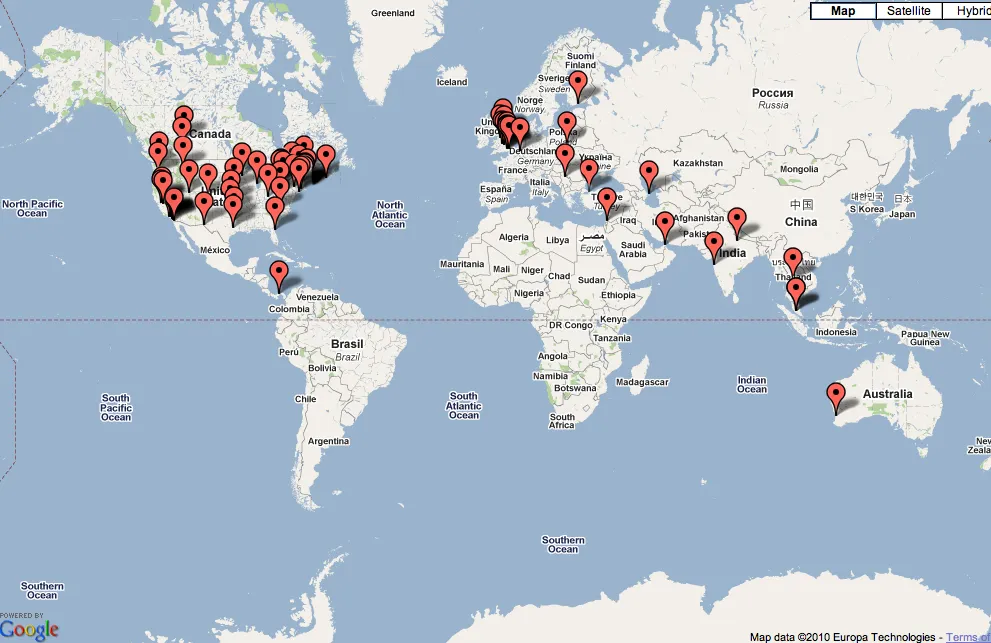
Visitors from this week (via statcounter)

The application profile page
Use the application

Letter in Support of Ricardo Dominguez and Brett Stalbaum

commentary_t352

To whom it may concern,

I write this letter in support of Professors Ricardo Dominguez and Brett Stalbaum, and their collaborators at the Bang.Lab at the University of California, San Diego. The criminalization of the research conducted by Dominguez and Staulbaum can and should be expected by xenophobic and racist outsiders in the San Diego community, but I was appalled to hear that the University of California is not whole-heartedly supporting Professors Dominguez and Stalbaum in the wake of recent hateful and threatening responses to their current work.

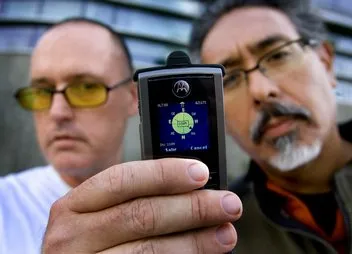
As a logistical tool, one could argue their Transborder Immigrant Tool will be only as effectual as the amount of GPS-enabled cell phones that can be made available in the area. Consider especially their demographic primarily includes human beings that would take the chance to cross miles of desert by foot, risking starvation and death, in order to find a better life. While efforts may be made to help the logistics of this project, this is not a group you would expect to have income to acquire such devices.

I think most importantly their research should be looked at as a humanitarian gesture to bring into light an important problem in this geographic region. The inequality between classes in this area, drawn along racial and political boundaries, has caused a deep resentment on both sides of the border. Professor Dominguez and Stalbaum’s tool, while it takes the form of a functional opportunity to save the lives of other human beings, is as much a cultural product that initiates a very public conversation about an important issue, and suggests at the heart of the problem is the inability for some groups to consider the well-being of others.

It is important the University of California facilitate this conversation and acknowledge the contribution this project makes to the fields of visual arts, human computer interaction, and cultural studies, and support the work of Professors Dominguez and Stalbaum in a time when they need it most.

Sincerely,

Owen Mundy
Assistant Professor
Department of Art
Florida State University
omundy@fsu.edu

Masters of Visual Arts, 2008
University of California, San Diego

Learn more about the issue
http://bang.calit2.net/

As usual, a perspective on past issues related to this problem in the area will help contextualize this one.

Learn about Herbert Marcuse and his problems with San Diego/UCSD in this documentary
http://video.google.com/videoplay?docid=-5311625903124176509#

Even more related, David Avalos, Elizabeth Cisco, and Louis Hock’s Art Rebate project which garnered all kinds of dissidence from the San Diego community, was intended specifically to bring into the public eye an important and overlooked part of the local economy—that of wages and labor of migrant workers.
http://findarticles.com/p/articles/mi_m2479/is_n1_v22/ai_15627403/

Articles
UC San Diego professor who studies disobedience gains followers — and investigators, LA Times

Other letters

Temporary Services in Chicago
http://www.temporaryservices.org/current_services.html#dominguez

Cheap, low-wattage studio lighting (part 2)

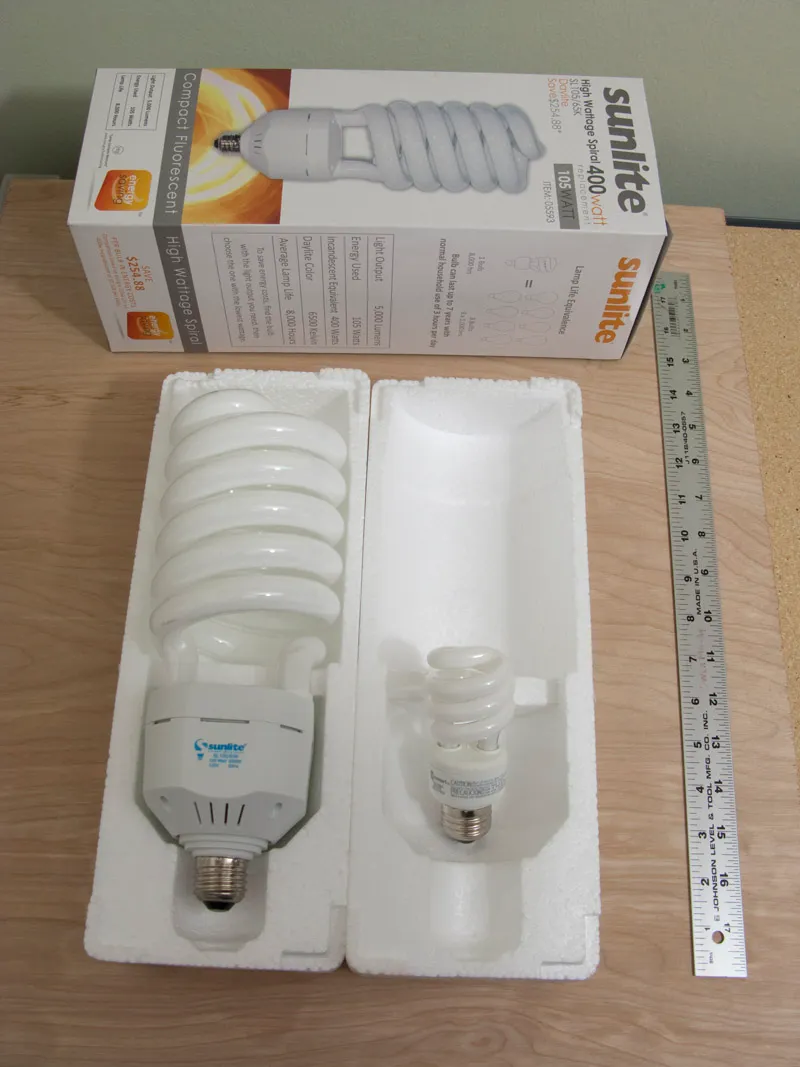
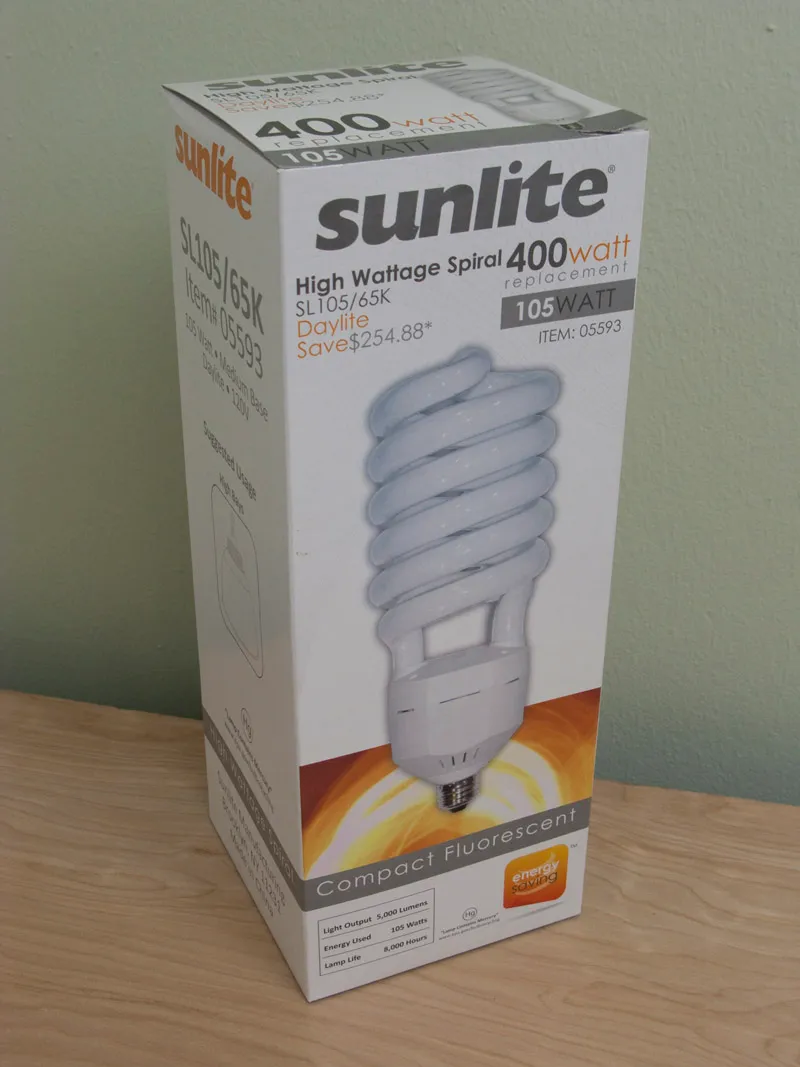
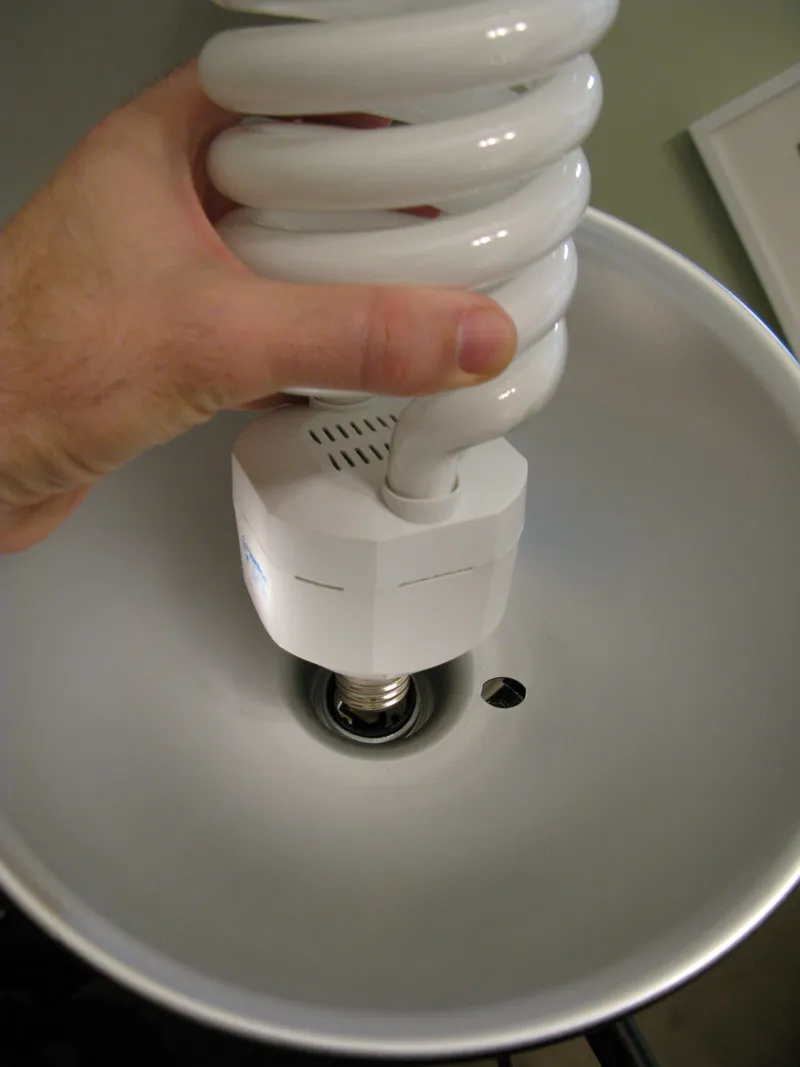
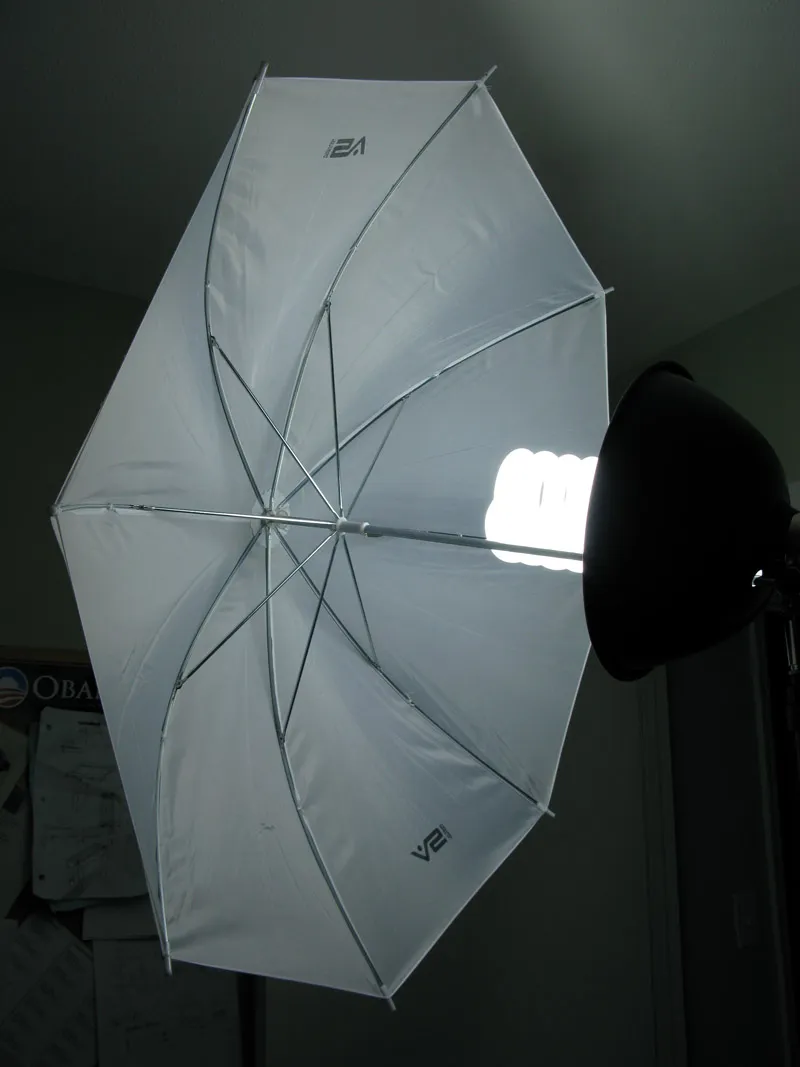
The florescent bulbs and light kit arrived this week and it was good to see the results of my research. I only found one problem in that the 105W (400W incandescent equivalent) daylight-balanced florescent bulbs were so large the base of the bulb prevented them from fitting into the fixtures.

studioLights_pt2_01

studioLights_pt2_02

studioLights_pt2_03

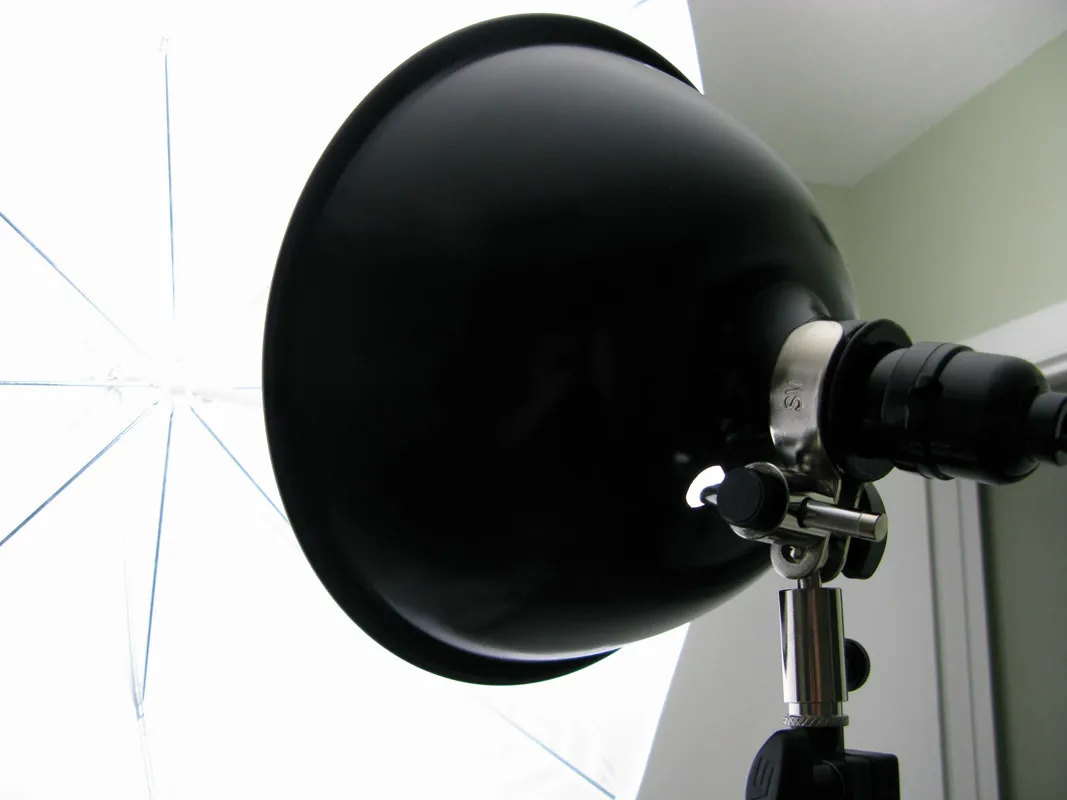
I expected they would be bigger than usual, but (in the photos) its amazing how much larger they are than a standard 15W (40W equivalent) florescent bulb. To reiterate, the part you screw into the fixture is a standard (E26) Edison Screw type cap, the same type found on most home incandescent and CFL bulbs.

studioLights_pt2_04

studioLights_pt2_05

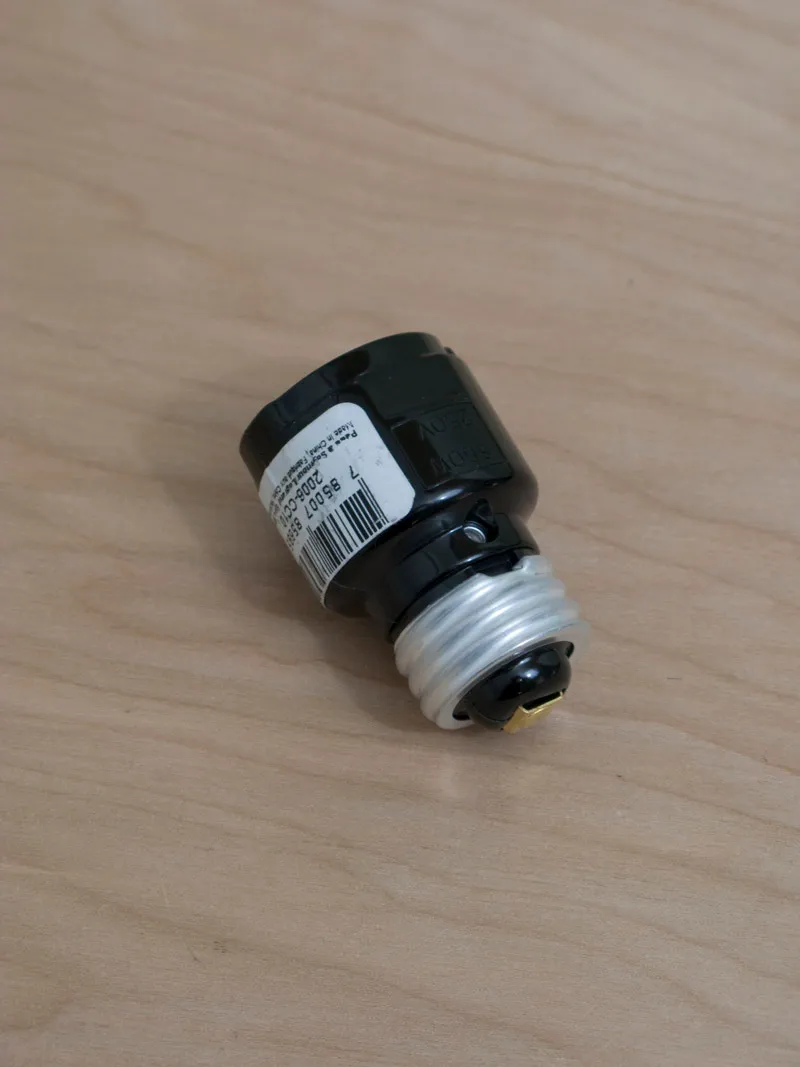
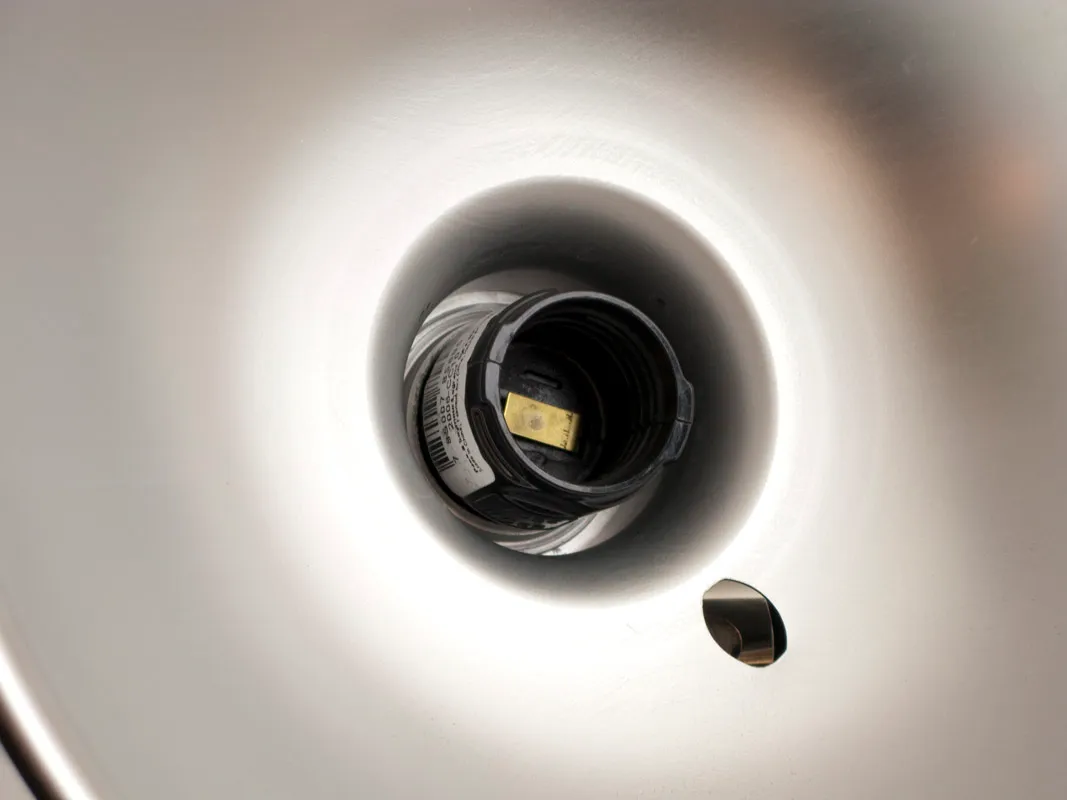
I was able to solve the problem for less than $5 at the local big box hardware store with two $2 fixture extenders, and luckily the rod of the reflector umbrellas just barely clear the big bulbs.

studioLights_pt2_07

studioLights_pt2_08

The fixtures are made to carry 250W so it is fine that my bulbs only draw 105W each. The adjustable mount for the lamp fixtures, however, are a little precarious. They are not made to support the weight of these larger bulbs along with the umbrellas so I had to tighten them more than usual. In the future I may find a better solution, but for this project they will do fine.

studioLights_pt2_06

studioLights_pt2_09

Here are some initial tests with the kit and bulbs. These were shot with one light in Camera Raw with a Canon G9, ASA 100, f/3.2 @ 1/13 between 6-10′ from the lights.

studioLights_pt2_10

studioLights_pt2_11

And these at f/4 @ 1/13 with both lights at around the same distance.

studioLights_pt2_12

studioLights_pt2_13

Cheap, low-wattage studio lighting (part 1)

Update on the photo studio project: I still need a flag and pole (any ideas?) but some advice from a friend and additional research has yielded a great inexpensive lighting option.

48853

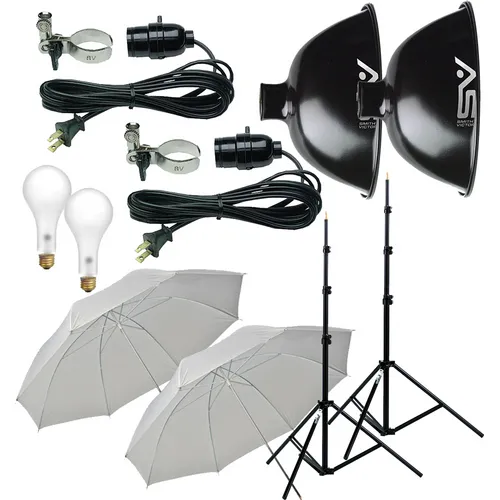
The Smith-Victor KT-500U Photoflood Tungsten Light Kit with Umbrellas (B&H # SMKT500 Mfr # 401430) looks like a decent and affordable kit, about 50% of which can be found at any hardware store sans brands. But 250W is a lot of energy to waste on heat, and the Tungsten 3200ºK has a 20 hour life span, which is very short. While the daylight bulb only has a four-hour lifespan!

It has been a while since I researched studio lighting, but with developments in CFLs and LEDs you can now get high lumen, always-on lights, that don’t waste energy and create so much heat that it makes it uncomfortable to work with them.

So instead of the incandescent bulbs, I found these CFLs. They are daylight-balanced (6500ºK), 105W (400W incandescent equivalent), and have a 8000 hour life span, all for less than $30 each. Photo geeks and indoor growers also agree that the spectrum good.

So for less than $200 I’m looking at a decent set of lights that doesn’t require a light meter (I have a grey card) and doesn’t get hot. It’s quite bright, but I can move it back or bounce it off or through the umbrella.

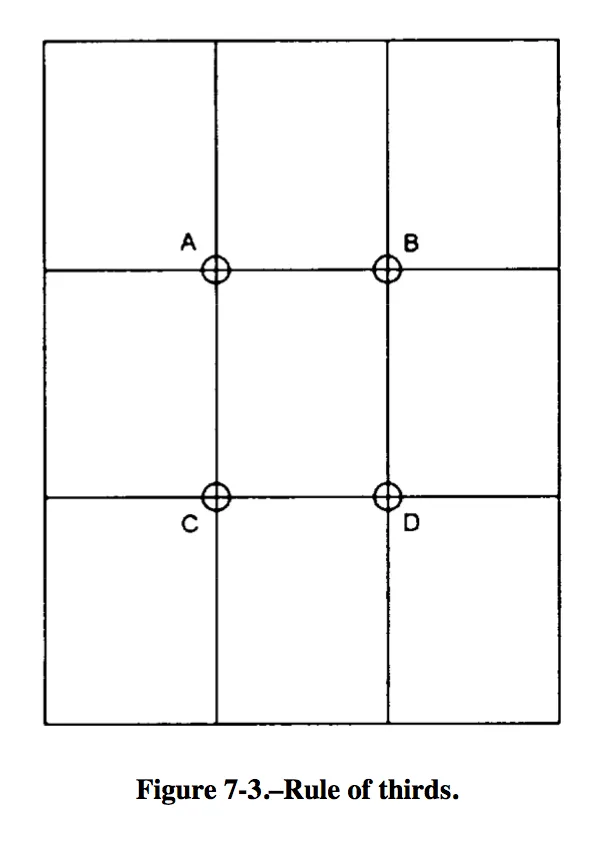
Photography (Basic) NAVEDTRA 12700

navedtra_7-7_ruleofthirds

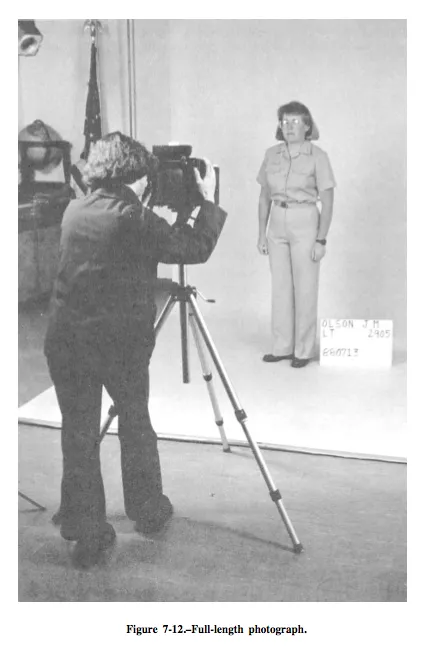
I’m working on a new project to recreate a military portrait studio encountered during my previous life as a Navy photographer. In June 2010 I will install it in a solo exhibition at Holzhauer Gallery, Northwest Florida State College in Niceville, Florida, nestled neatly at the edge of Eglin Air Force Base, the “largest air base in the free world.” (quoted from a display at the nearby Air Force Armament Museum)

The project is inspired by rediscovering the Navy photo manual that was issued to me in April 1993 when I entered A-school at the Defense Photography School in Pensacola, FL. The inspiration for this project comes from chapter 7. There are also a lot of great illustrations and photographs including:

  • Page 5-2 has drawings of “photo techniques.”
  • Page 4-30 has an image (from a 4×5 view camera) of the school I went to.
  • Page 6-12 has an example of the old “grip and grin” ceremony.

More updates on the project will follow soon.

navedtra_7-16_fulllengthphoto

navedtra_5-2

Lost in place: iPhone screenshots of grid system

IMG_1399

IMG_1402

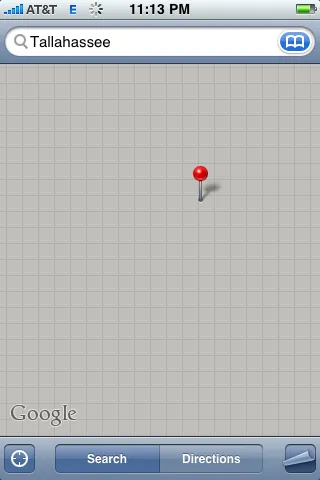
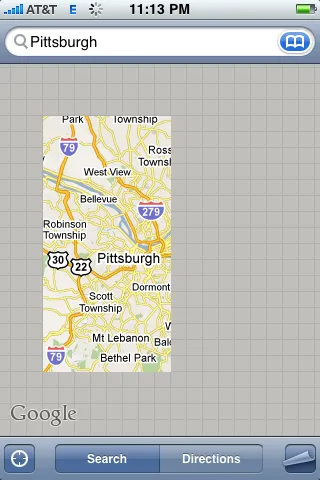
Two screenshots from my phone depicting the grid underneath the Google Map graphics which are tiled to create the map interface. Clearly, the “virtual GPS” technology on my first-generation iPhone has often been helpful in finding my way. But what happens when it fails and you are literally lost in space? The social landscape, politics, climate, language(s), culture are what we analyze to understand “where” we are. Without these points of reference how can we create an idea of place? In this case, the simple query, “Tallahassee,” can be enough for any individual slightly immersed in Southern culture to create a perception of this place.

Space Relations: Joelle Dietrick, Owen Mundy, and Chad Erpelding

space_relations1

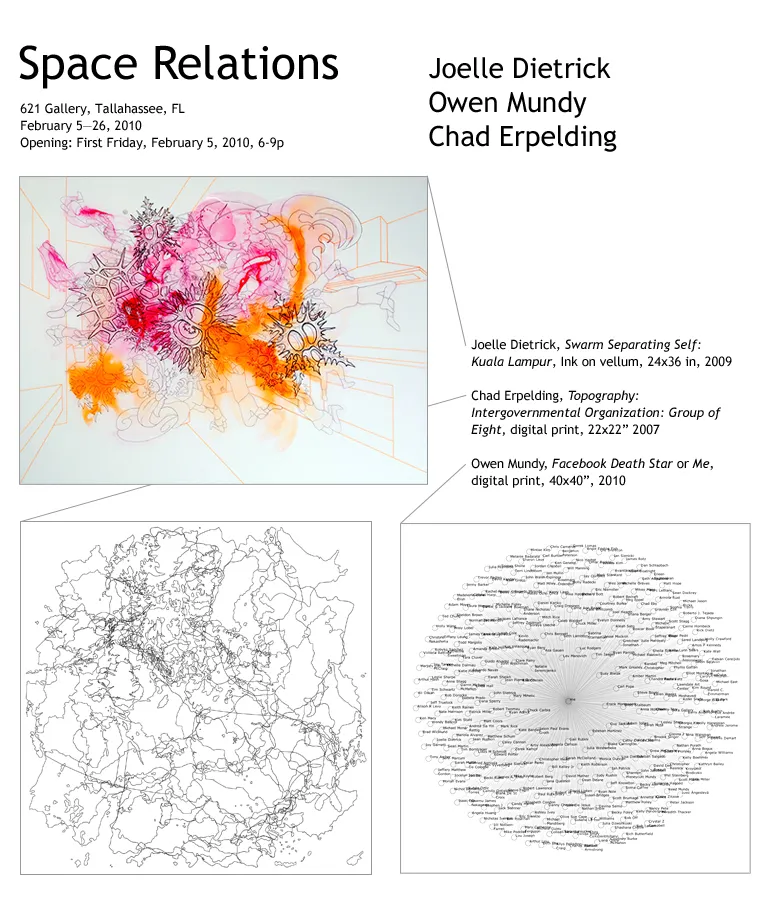
Space Relations
Joelle Dietrick, Owen Mundy, and Chad Erpelding
621 Gallery
February 5 – 26, 2010
OPENING: First Friday, February 5, 2010, 6-9p

621 Gallery is pleased to present Space Relations, an exhibition of new work by Joelle Dietrick, Owen Mundy, and Chad Erpelding, on view from February 5 through 26, 2010. An opening reception will be held on Friday, February 5th, from 6:00 to 9:00 p.m.

Space Relations presents an exhibition exploring new ways to think about space. The exhibition playfully recognizes how our experiences warp our understanding of place, especially during tough economic times when often power positions are reordered and people are displaced.