Category: exhibitions

Author Talk — Critical Web Design (MIT Press)

This Friday, September 18 at 10:30 AM, I’ll be joined by co-author xtine burrough (UT Dallas) for an author talk on our new book Critical Web Design, published this year by MIT Press. https://mitpress.mit.edu/9780262053167/critical-web-design/

xtine and I come to this project from complementary directions. She is a media artist and prolific author working across electronic literature, participatory art, and remix culture. I am a former web designer and developer whose practice investigates surveillance and persuasion on the web. The book grew out of our shared conviction that technical web education, critical thinking, and creative practice don’t have to be separate endeavors.

We’ll talk through the book’s approach. Each chapter pairs a contextual discussion of design and power with hands-on modules. We will share some of the case studies and prompts we’re most excited about: Josh On’s TheyRule.net mapping corporate board connections, MSCHF’s interventions into visual branding, and Jan Diehm’s data journalism at The Pudding. We’ll also demo a few of the prompts readers build, including a subversive branding redesign, a generative art piece riffing on DADA artist Jean Arp, and the Bad Password API, an absolutely terrible password generator.

In-person: Baxter Davidson Room (Chambers 2106)
Zoom: register at lib.davidson.edu/critical-web-design

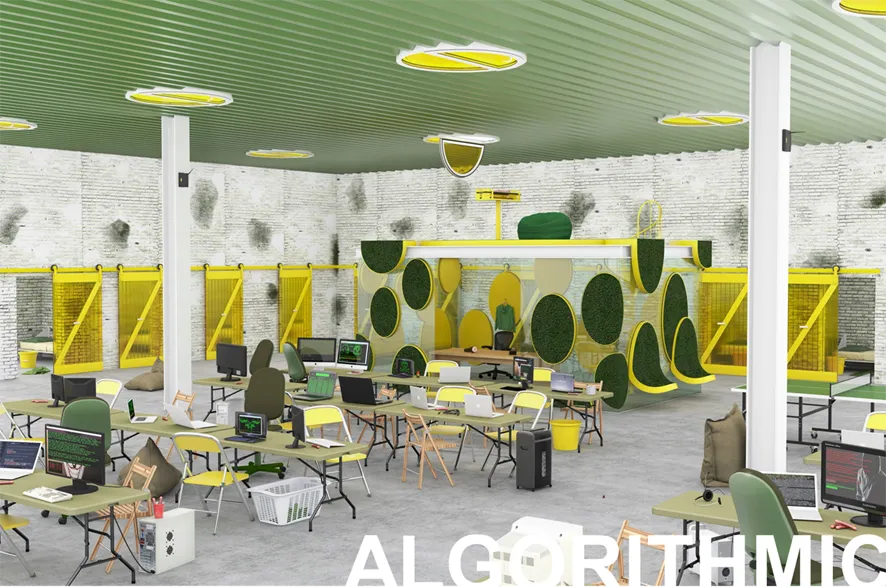
Algorithmic Lifestyle @ Roehrs & Boetsch, Zurich

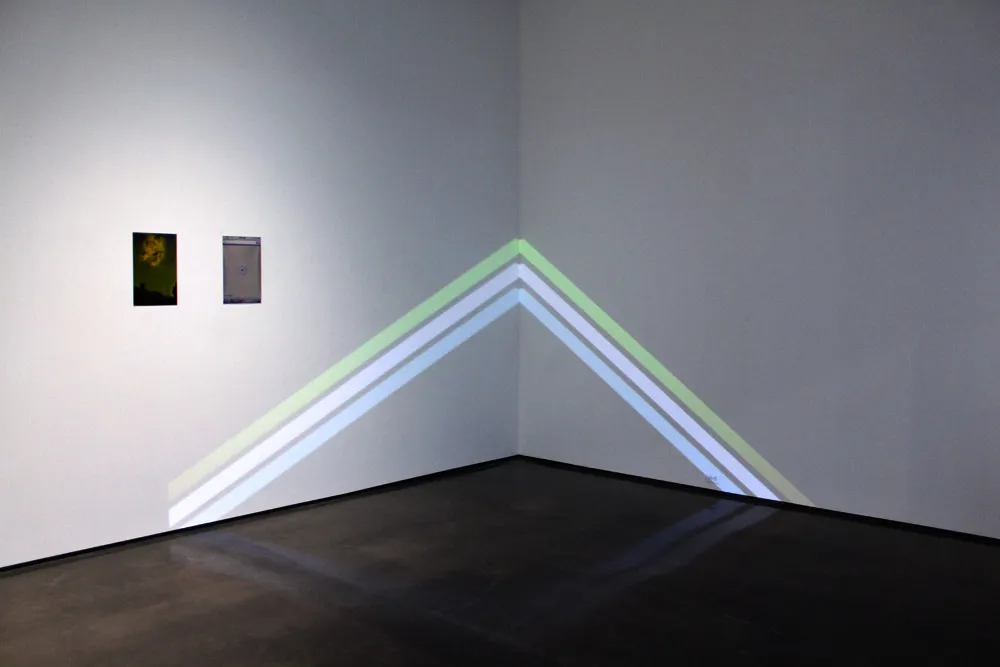
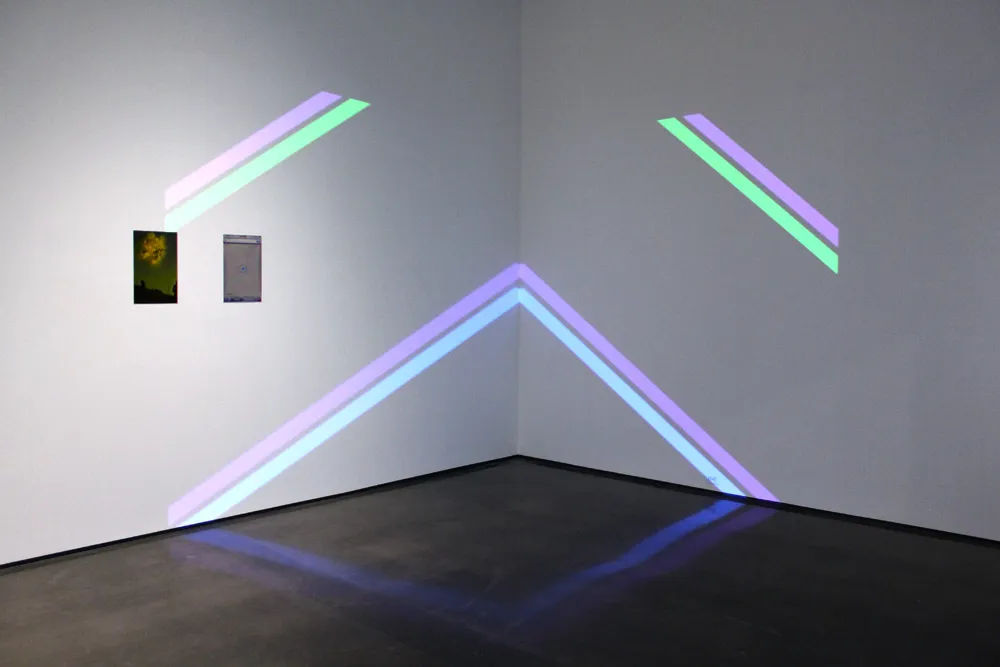
I haven’t posted here for a while, as I’ve been busy with projects and returning to teaching. I am proud to share that I Know Where Your Cat Lives is in a show opening today in Zurich. The statement is below.

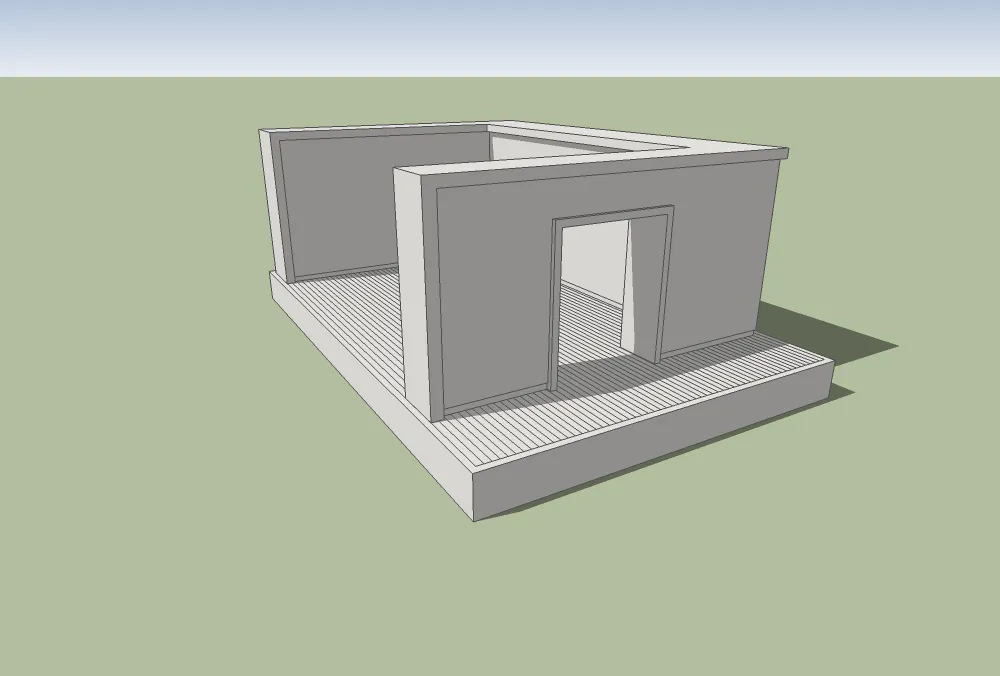
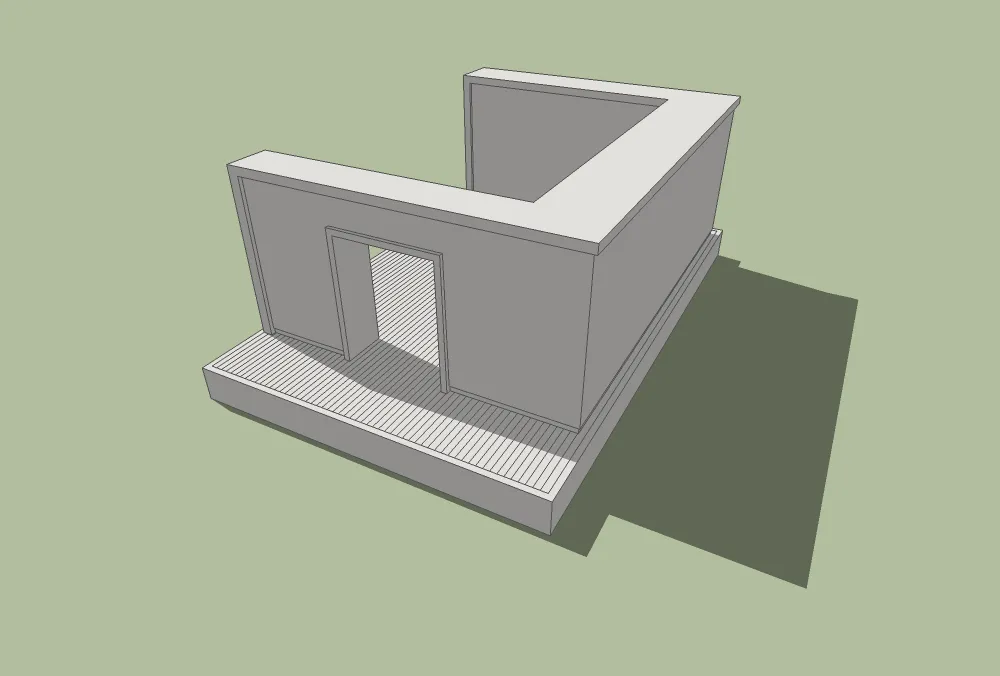
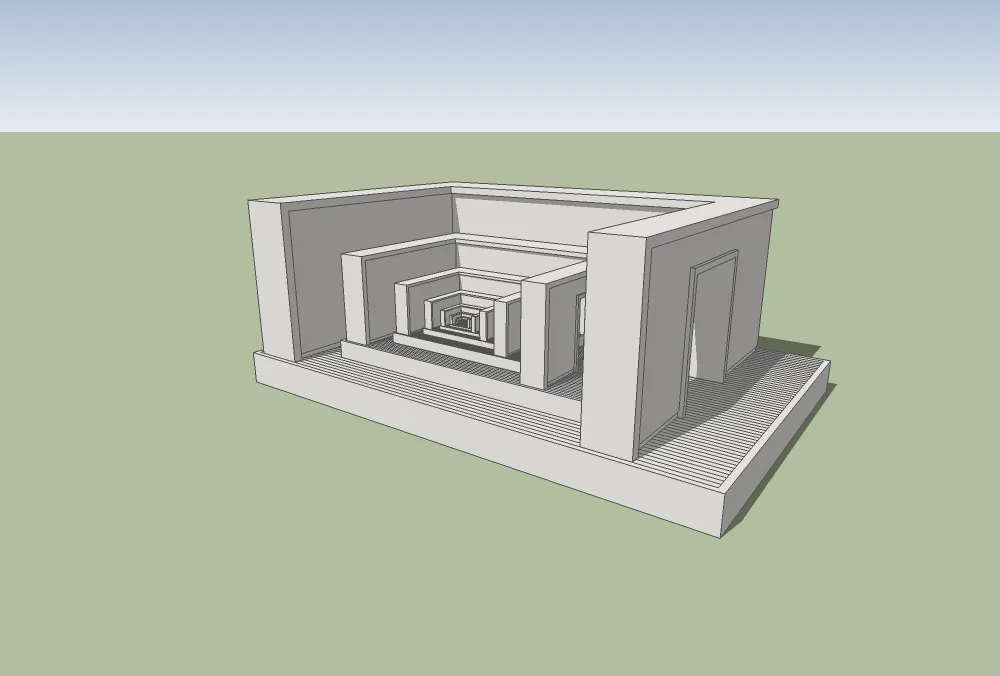
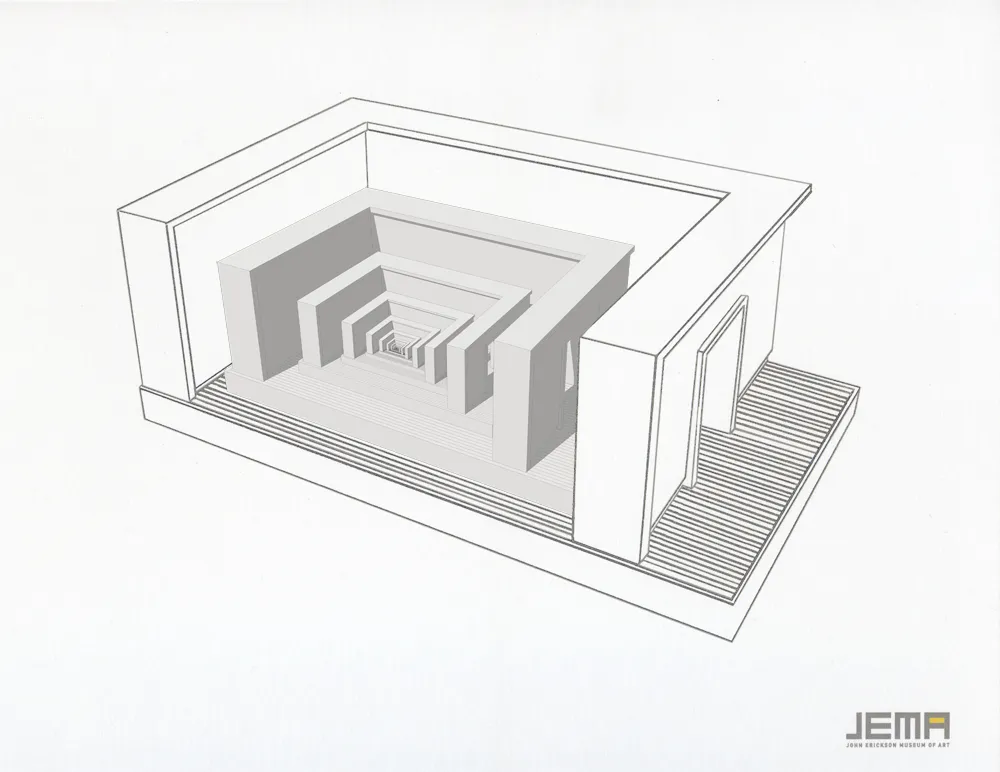
GROUP EXHIBITION – ALGORITHMIC LIFESTYLE
31. 8. – 13. 10. 2018

We click, we like, we share. In today’s attention economy the new currency is “Likes”; Internet giants constantly compete for our attention through advertisement, register our every move, hope for a second of our time. At long last, the power lies in the hands of the people – grassroots democracy in the World Wide Web where everybody gets to voice their opinion. But looks are deceiving and while we share the latest picture of our cat on social media, we are always producing data to be mined by algorithms for our providers, always under surveillance and always targeted by even more likeable content. We live in a world full of pleasing distractions, surrounded by like-minded peers and without interference of reality – an “algorithmic lifestyle”.

In light of contemporary society being increasingly permeated by the Internet, Roehrs & Boetsch is pleased to announce the group exhibition ‘ALGORITHMIC LIFESTYLE’. The show displays works by ten artists und artist duos, of whom seven are presented at the gallery for the first time. In this exhibition different aspects of our digitalised lifestyles are explored by looking closely at the networks we belong to. The selected artists themselves are part of the digital world – often working with algorithms – while studying the Internet and revealing the mechanisms of the web economy. Above all, ‘Algorithmic Lifestyle’ aims to critically engage the viewer, to give a starting point for discussion and alternative options to our current role as ignorant users in this networked society.

Artists: Lauren Huret, Marc Lee, Olia Lialina, Jonas Lund, Shawn Maximo, !Mediengruppe Bitnik & Low Jack, Milena Milosavljevic, Owen Mundy, Sebastian Schmieg, UBERMORGEN

Curated by Nina Roehrs

Image: Shawn Maximo, 2017, Open Doors

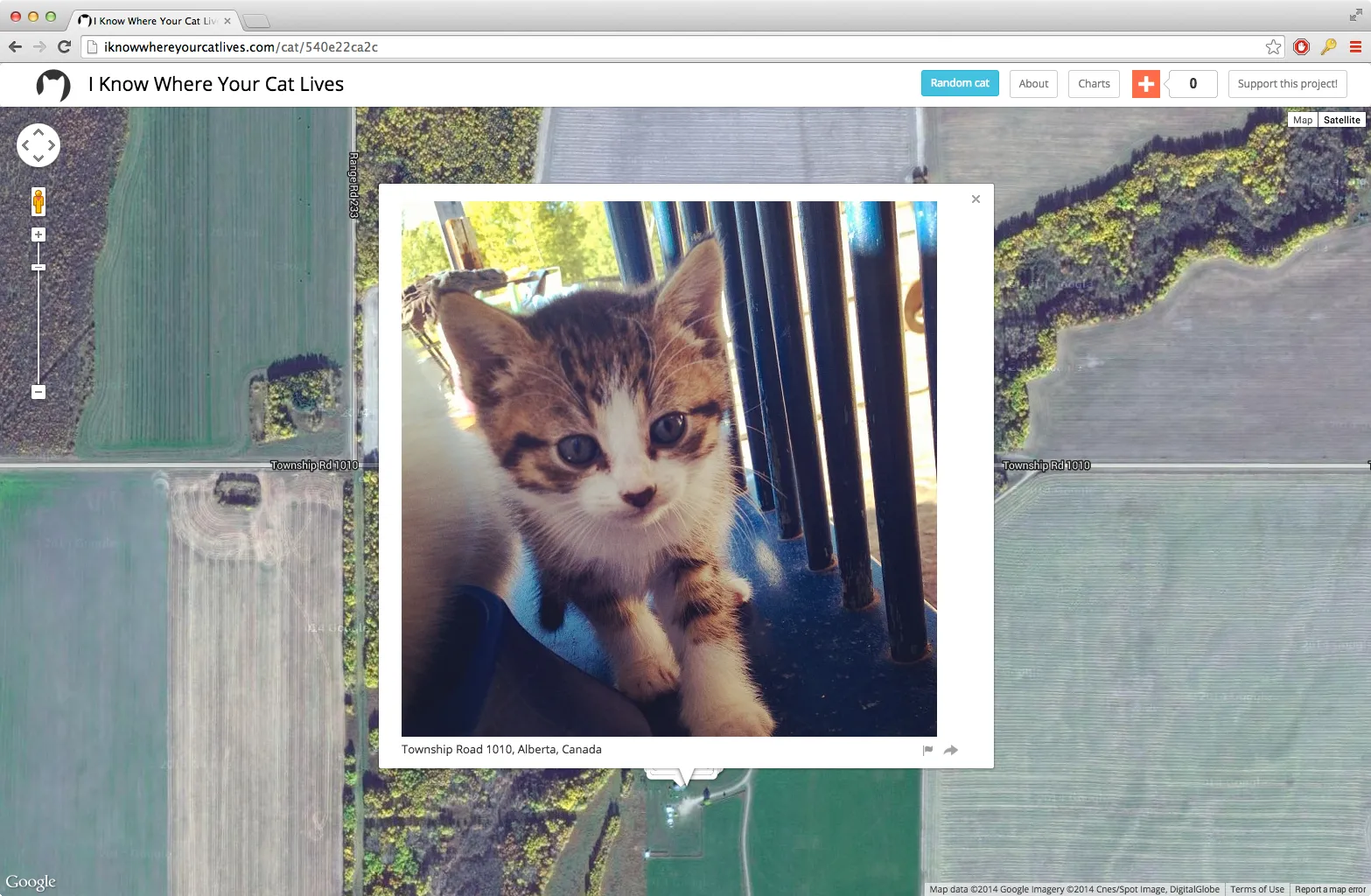
Big Bang Data at Somerset House in London, other exhibitions and interviews, and 5 million + cats!

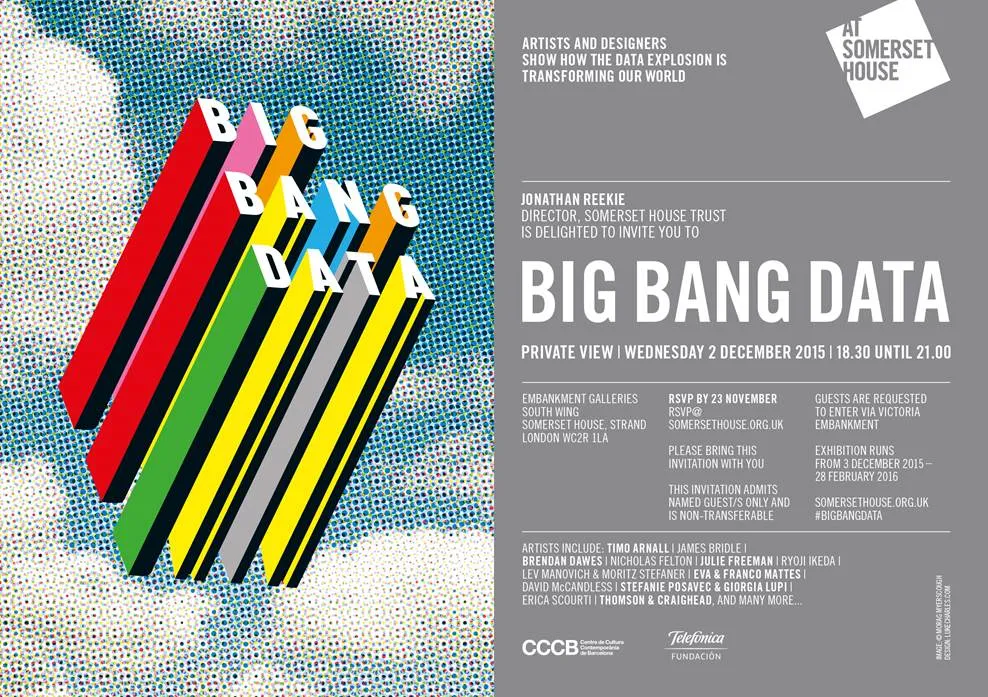
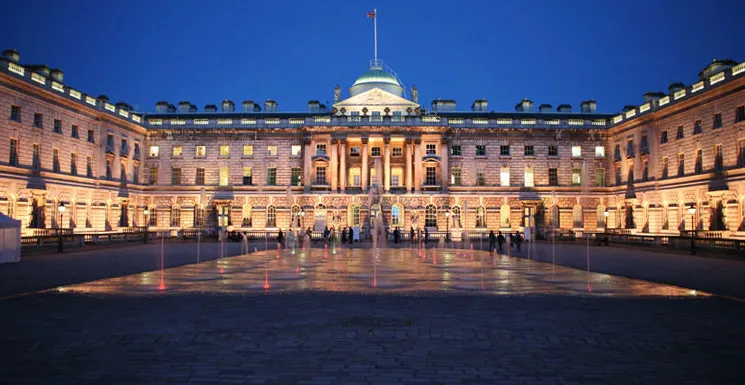
I Know Where Your Cat Lives will be featured at the new exhibition, Big Bang Data, opening today at Somerset House in London. This is a traveling exhibition curated by Olga Subirós and José Luis de Vicente.

image001

Emails, selfies, shopping transactions, Google searches, dating profiles: every day we’re producing data in huge quantities. Our online activity, alongside that of businesses and governments, has led to a massive explosion – a ‘Big Bang’ – of data.

This radical shift in the volume, variety and speed of data being produced, combined with new techniques for storage, access, and analysis, is what defines the proliferation of data. It is radically reshaping our world and is set to revolutionise everything we do.

Data today gives us new ways of doing things: from scientific research to business strategy, politics to social interaction, our new data-driven society that has the potential to be more fair, stable, and efficient and yet it also created a tools for unprecedented mass surveillance and commodification. Data access and usage rights, along with the value they comprise, are at the heart of many concerns.

Big Bang Data explores the issues surrounding the datafication of our world through the work of artists, designers, journalists and visionaries. As the data explosion accelerates, we ask if we really understand our relationship with data, and explore the meaning and implications of data for our future.

sustainability

The exhibition, which runs Dec 3, 2015—Feb 28, 2016, includes over 50 works by artists, designers and innovators, comprising also a number of authors I’ve long admired like:
Brendan Dawes, Charles Joseph Minard, David McCandless, Ellie Harrison, Eric Fischer, Erica Scourti, Eva and Franco Mattes, Fight for the Future and Demand Progress, Florence Nightingale, Forensic Architecture, Future Cities Catapult, Heather Dewey-Hagborg, Horst Ademeit, IF, Ingo Günther, Ingrid Burrington and Dan Williams, Interaction Research Studio, Goldsmiths, ITO World, Jaime Serra, James Bridle, John Snow, Jonathan Harris, Jonathan Minard, Julian Oliver, Julie Freeman, Kamel Makhloufi, Kiln, Laura Poitras, Lev Manovich and Moritz Stefaner, Lisa Jevbratt, Lise Autogena and Josh Portway, mySociety, Nesta, Nicholas Felton, Open Knowledge, OpenCorporates, Owen Mundy, Paolo Cirio and Alessandro Ludovico, Philipp Adrian, Rafael Lozano Hemmer, Ryoji Ikeda, Safecast, Stefanie Posavec and Giorgia Lupi, Tekja, TeleGeography, The Guardian, The Long Now Foundation, Thomson and Craighead, Timo Arnall, Umbrellium, William Elford, and Zach Blas

Some press is emerging already and I’ll add more images as the show opens:

Meanwhile time for a…

2015 Update on IKWYCL

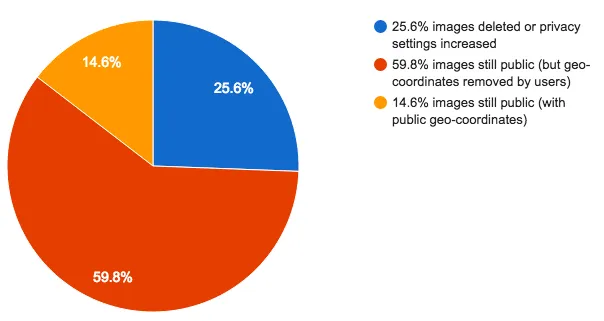
Just over a year ago I launched I Know Where Your Cat Lives and it immediately went viral. I’m gracious for all the positive attention the project has received, and even more so for the reach it generated. In addition to a notable influence on research and dialogue around metadata security, the impact for individuals has been significant. Over 25% of owners of cat photos from the original sample have removed or increased privacy on their images and, even more noteworthy, nearly 60% of users have chosen to leave their photos public but have manually removed their location data from the images they shared, underlining the importance of this project to experts in the field, as well as everyone who uses social media.

Big Bang Data at Somerset House in London, other exhibitions and interviews, and 5 million + cats!

Since then I’ve found time to evaluate the project’s impact and begin to work on the conclusion. The site I shared was only a prototype, containing just one million images from the at least 15 million tagged with #cat on social media. Thanks to everyone at FSU’s Research Computing Center, and to support from Dr. Ostrander at the FSU Office of Research, I’ve made great progress in collecting and visualizing the millions of images that users have unknowingly uploaded with geolocation data. With this exhibition at Somerset House I’m uploading another large dataset to bring the total number of cats to just under 5.4 million!

Big Bang Data at Somerset House in London, other exhibitions and interviews, and 5 million + cats!

The final project will include expanding the data set to run in real time, as well as a mobile app called “Like Tinder for Cats,” and a book project which contextualizes and documents the research, the technology I developed, and most importantly, the impact of this ephemeral web-based work on industry, academia, and culture. I’m also thankful for the opportunity to work with my longtime colleague and amazing writer, Shana Berger, on the writing for the project, the first essay of which is currently under review.

Highlights from the last year

The IKWYCL prototype website has already received press in Motherboard/Vice Magazine, The New York Times, Time Magazine, The Atlantic, Wired Magazine, MSNBC, NPR, and many others. It has been featured in several international exhibitions including the Tempo Documentary Festival in Stockholm, Sweden, and numerous others like:

doclabsamples

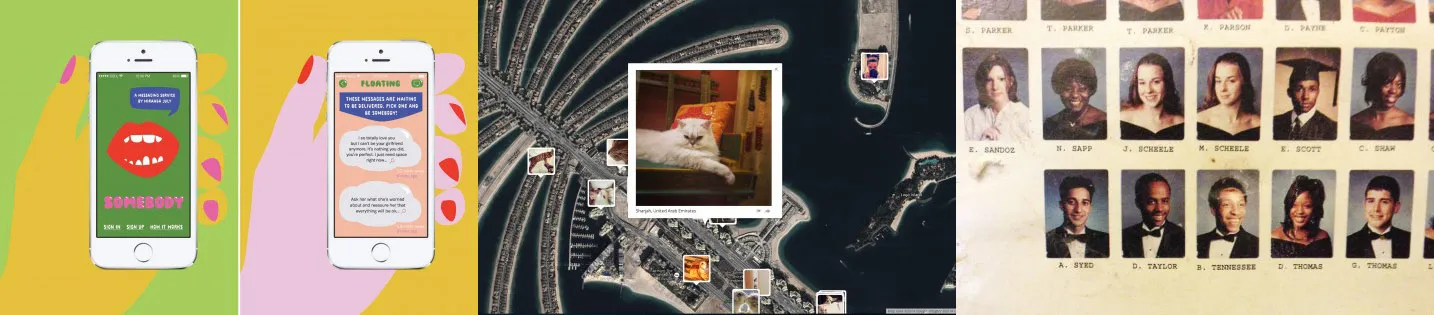
I Know Where Your Cat Lives was nominated for a 2014 IDFA DocLab Award for Best Digital Storytelling at the International Documentary Film Association (IDFA) Festival. While ultimately the amazing Serial podcast took the prize, I was thrilled to be nominated among many great interactive documentary works including Miranda July’s conceptual app Somebody. Read more about IDFA DocLab in this review on We Make Money Not Art.

I was also excited to take part in the festival, not only as a presenter, but a mystery guest on the evening of my talk. Previously I had shared a selection of my Google searches with a team of experts who led a quiz style analysis of my search history, complete with an artist who did a rendering of what my family looked like according to my searches, and a chef who prepared food for the audience based on what my data revealed.

That same month found me giving a presentation on my work during the L2 Forum at the Morgan Library in New York City.

lisa salon

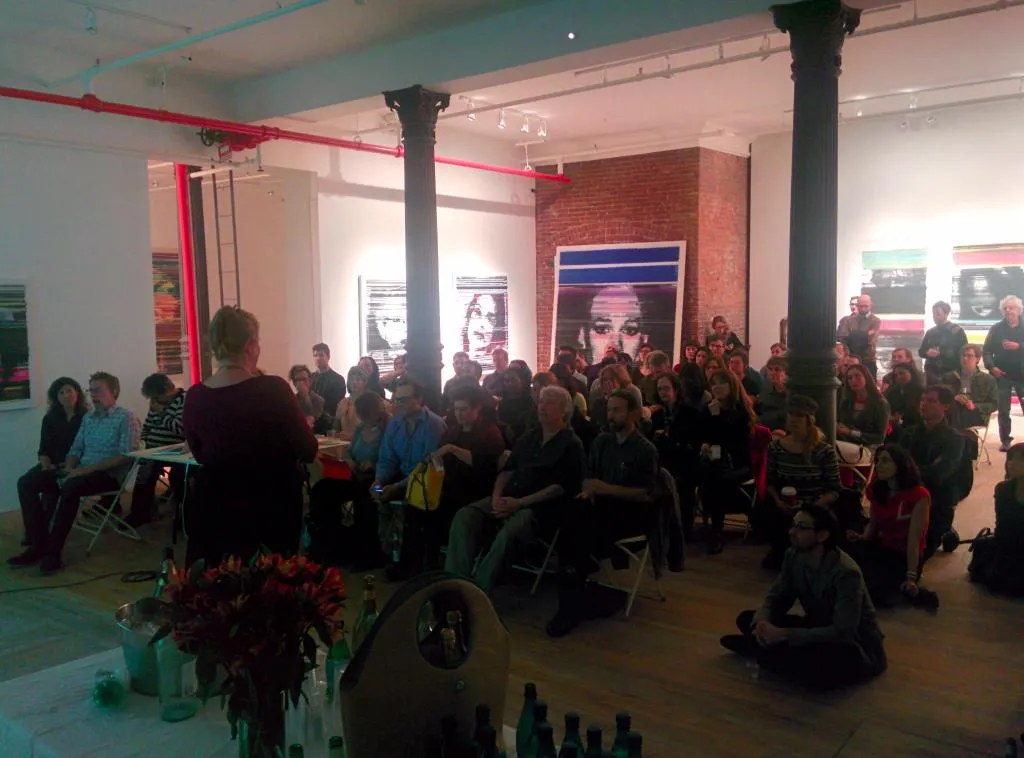
While in NYC I also spoke at the LISA (Leaders in Software and Art) Salon at Postmasters Gallery

Big Bang Data at Somerset House in London, other exhibitions and interviews, and 5 million + cats!

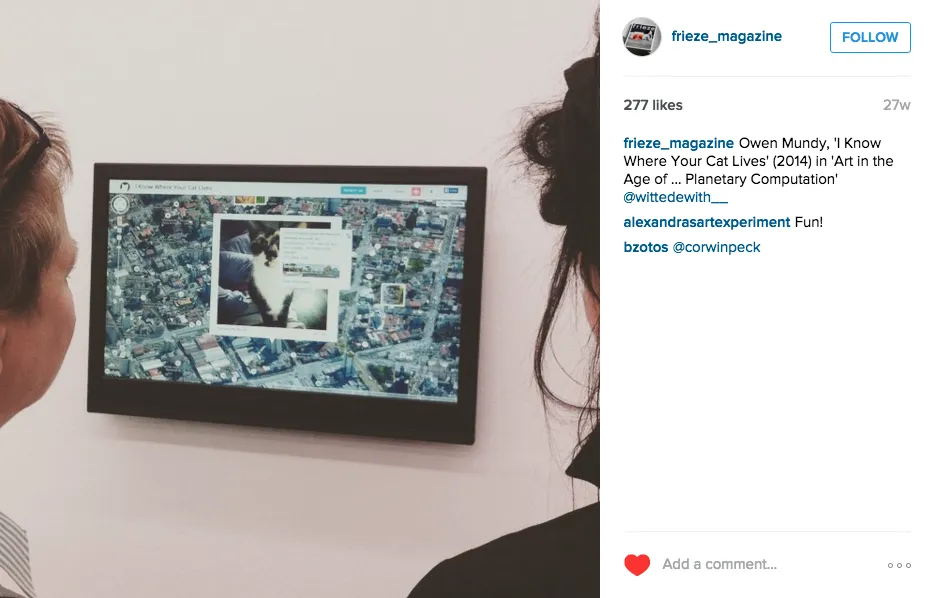
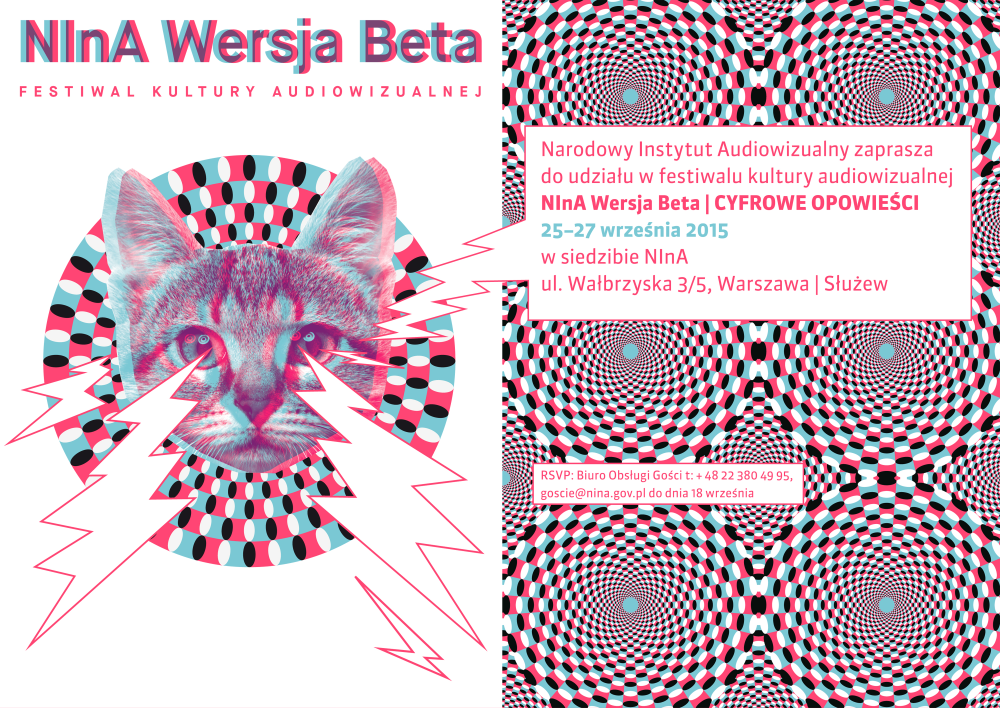
In May 2015 it was featured among works by Trevor Paglen and Jason Salavon in the exhibition Art In The Age Of… Planetary Computation, at the Witte de With Center for Contemporary Art in Rotterdam curated by Adam Kleinman. This was followed by an exhibit on interactive storytelling and the future of digital media at the Polish National Audiovisual Institute (NInA) in Warsaw curated by Anna Desponds.

Finally, I was very honored to be interviewed this summer for two separate European journalism projects around the cultural impact of technology.

Silvia Font published an extensive discussion which included many of my previous works for El Diario. The interview, Las fotos de tu gato en internet ponen en jaque tu privacidad (in Spanish), was part of a series that included interviews with Laura Poitras and Jacob Appelbaum.

touslesinternets

And, Charles-Henry Groult interviewed me for an ARTE web special about people shaping the culture and politics of the internet. The interview is in English but the interface elements are only in French and German

The dialog with these professionals was really gratifying. I’m so glad to have created something that is so thought-provoking, has proven impact, and yet is extremely fun to use. Thanks to everyone for the support :-)

Owen Mundy on Arte

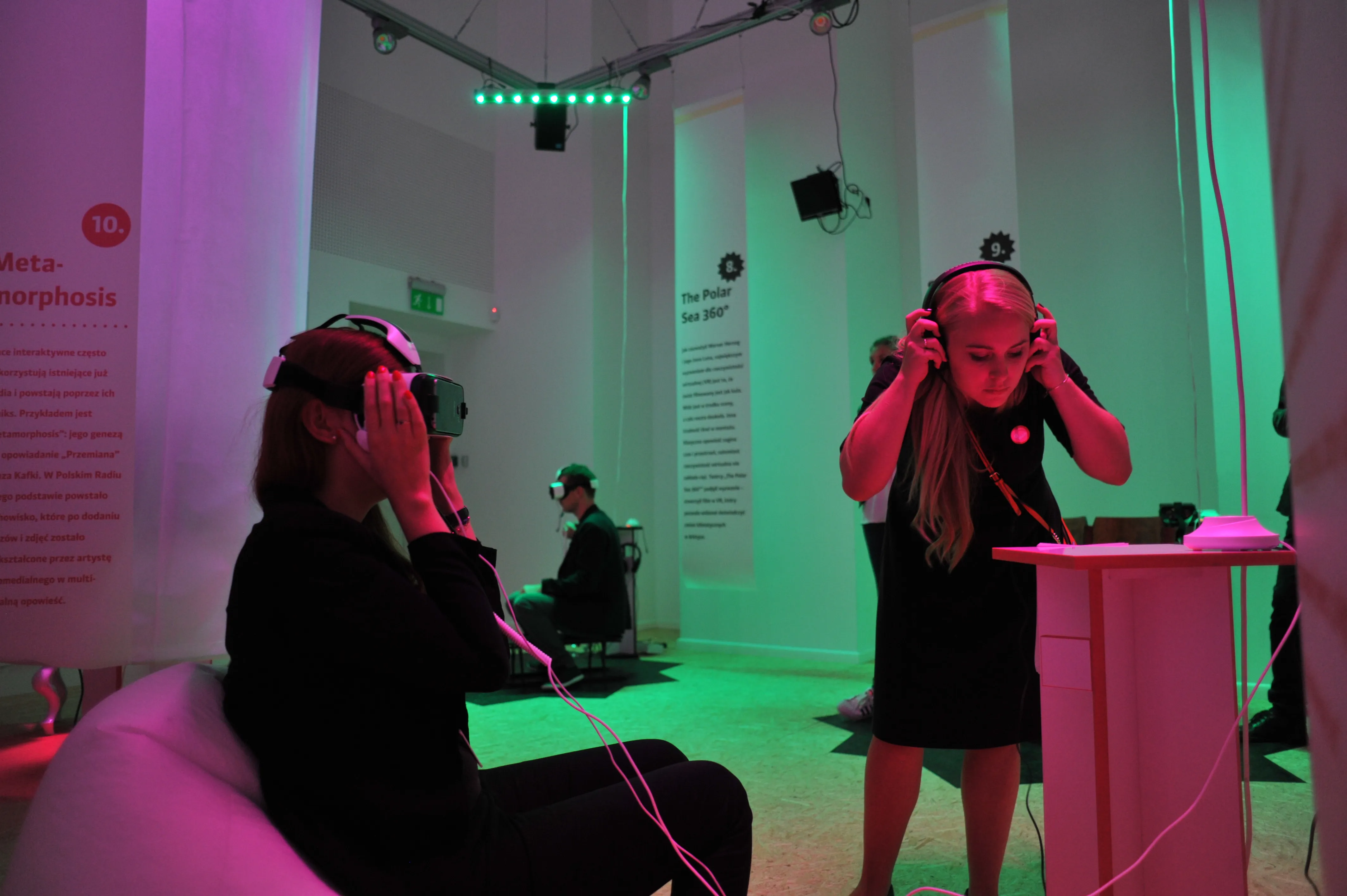
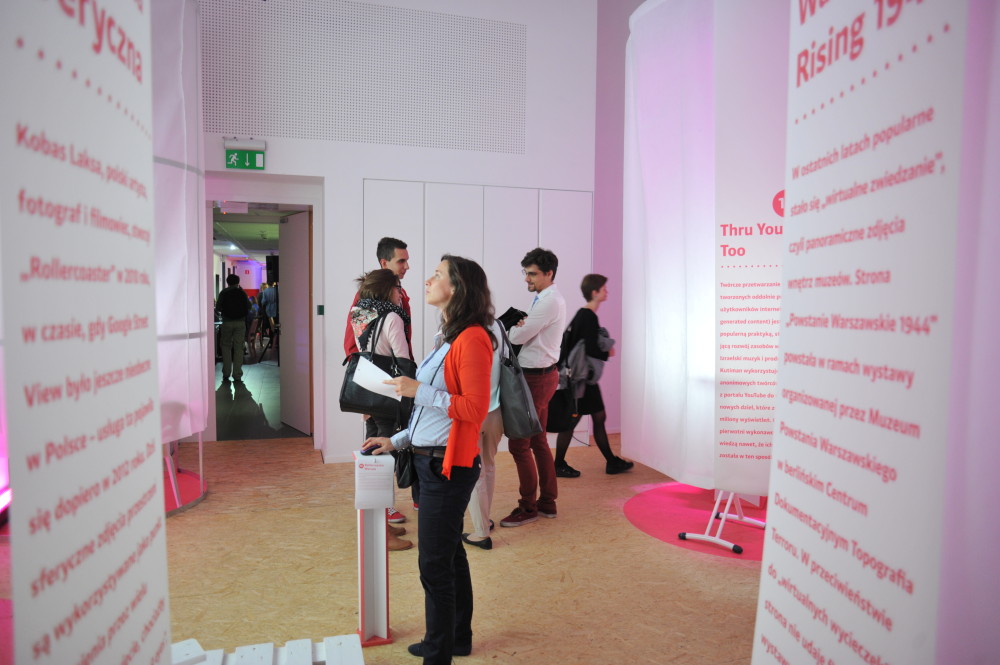
Story-re-telling exhibition, National Audiovisual Institute (NInA), Warsaw, Poland

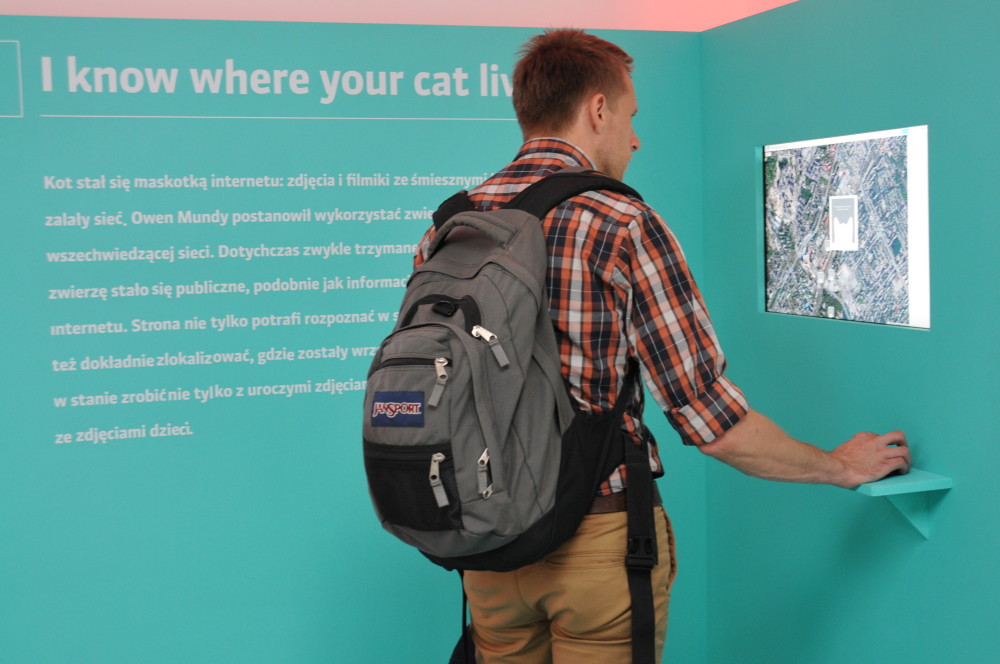
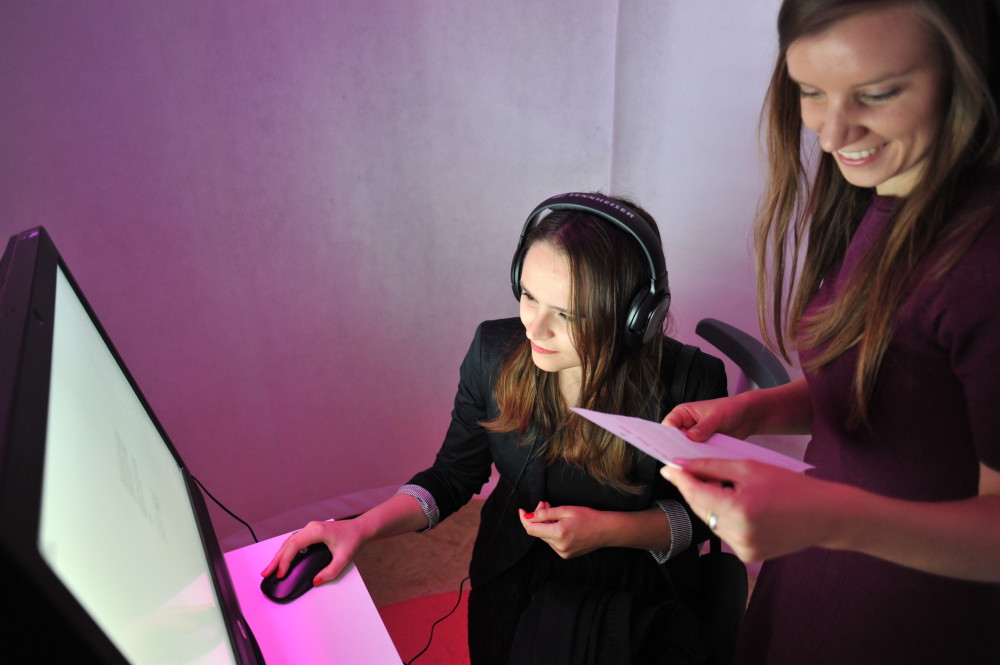
Photos from the Story-re-telling exhibition at the National Audiovisual Institute (NInA), Warsaw, Poland (September 25–October 18, 2015) curated by Anna Desponds.

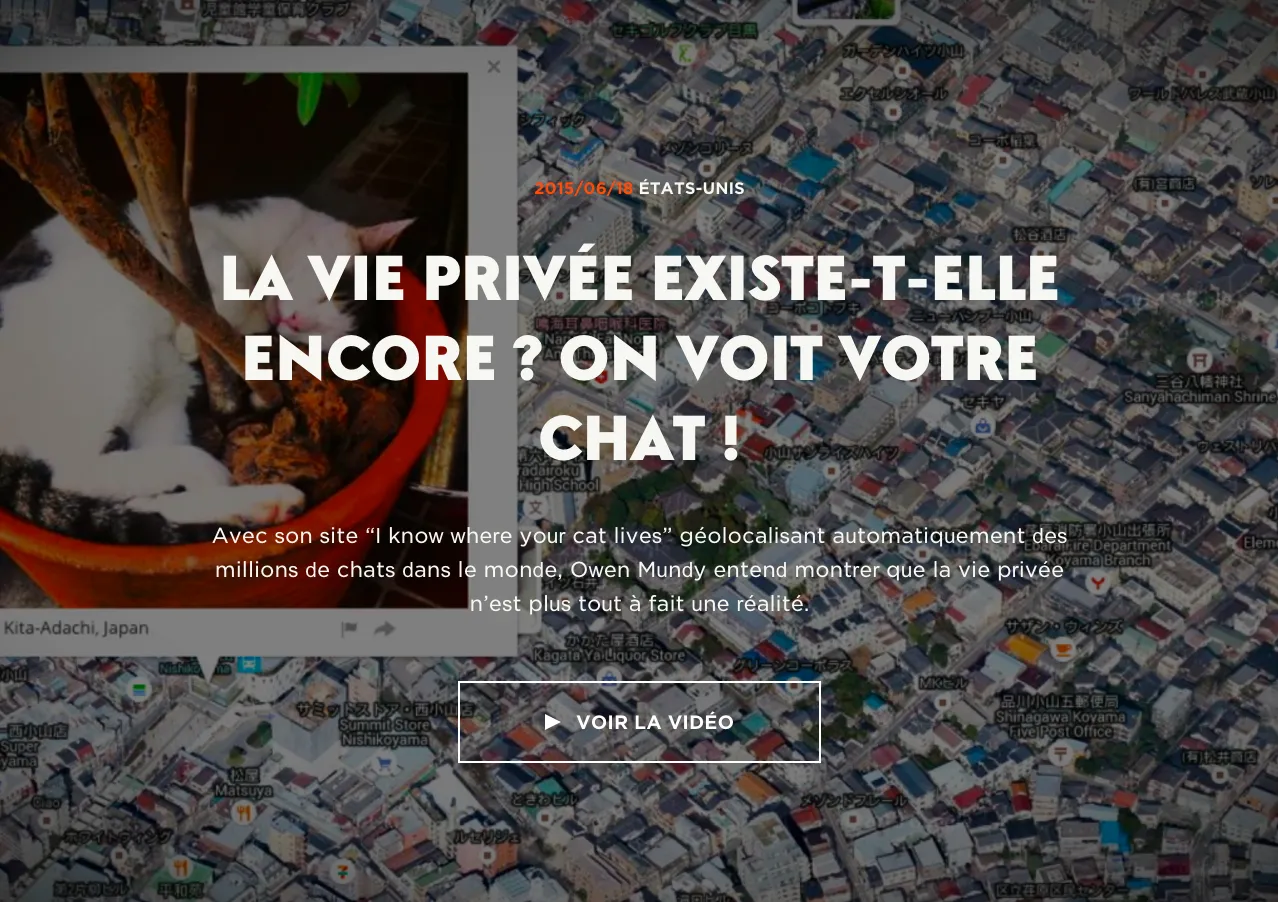
“I know where your cat lives” proclaims artist and programmer Owen Mundy. And indeed – the website created by him can not only recognize pictures of cats from the web, but also precisely pinpoint where they were uploaded.

Cats, which had heretofore led a sheltered life, have recently become Internet mascots. They have entered the public sphere – much in the same way as information about Internet users. This seemingly innocent, funny and simple project in which we watch a map with thousands of photos of cats, moving in a matter of seconds from Bangkok to Rome, is in fact a commentary on the all-knowing web and the often unquestioning satisfaction with which we relinquish our privacy. After all, it’s easy to imagine a similar app for pictures of children instead of cats.

This is not the first one of Mundy’s projects to deal with the topic of the safety of data on the web. He has also created the app Give Me My Data which allows users to reclaim their own information from Facebook and use it for further analyses or visualizations.

Unlike Facebook’s creator Mark Zuckerberg, who claims that privacy is dead, Mundy thinks that it is evolving. Many people didn’t want to show their cats on the webpage – browsing the site you can see which pictures have been removed by users. On the other hand though, many people supposedly reached out to Mundy to ask how they could add their cat to the map.

I know where your cat lives
USA, 2014
Author: Owen Mundy
Team: Owen Mundy, Nicole Kurish, Tim Schwartz, Alissa McShane, Shana Berger
URL: iknowwhereyourcatlives.com

program-festiwal-wersja-beta-2015_top

DSC_9710

festiwalbeta3_51

DSC_0001

festiwalbeta3_49

festiwalbeta3_76

Photos: Malwina Toczek/NInA

Art In The Age Of… Planetary Computation, Witte de With Center for Contemporary Art

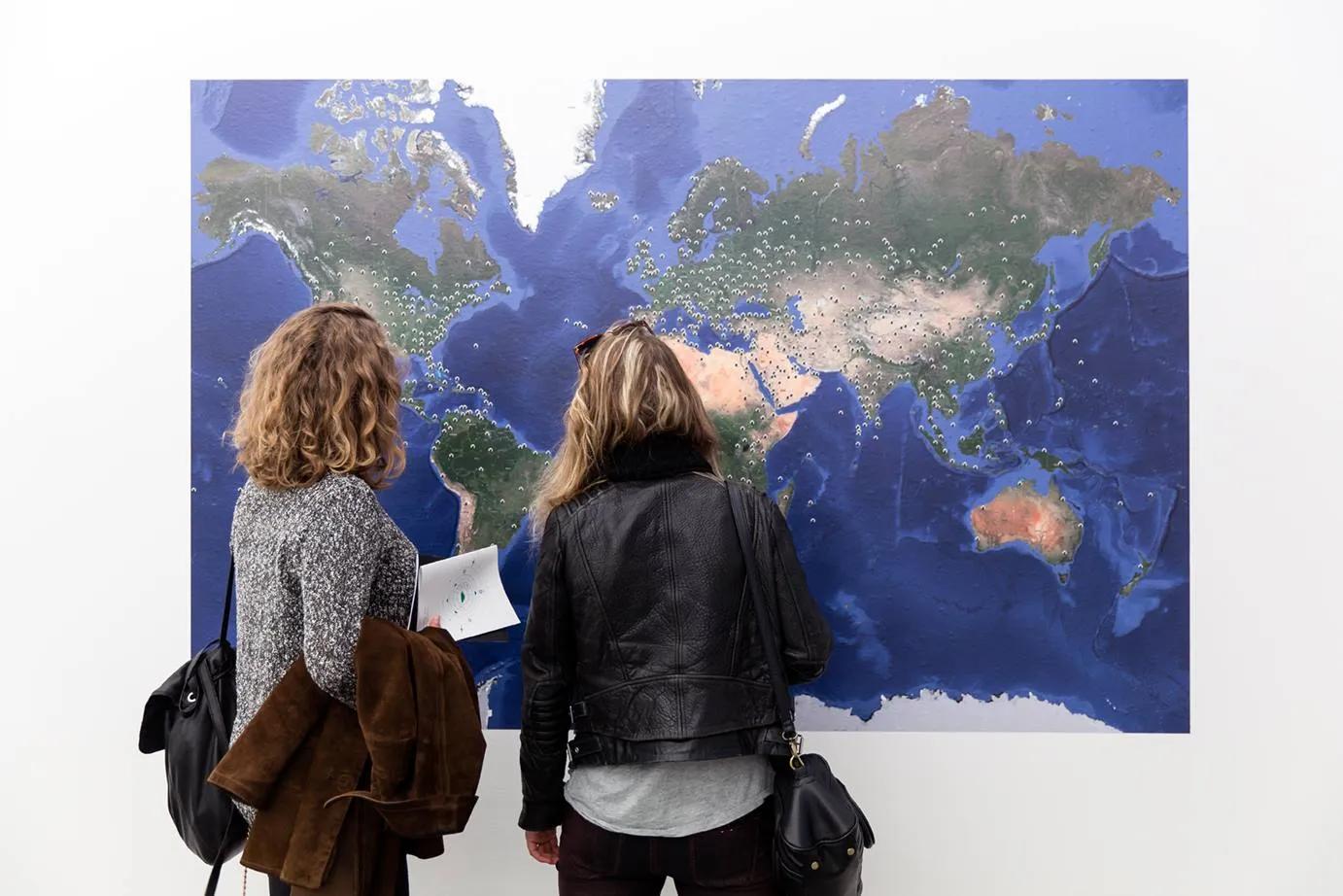
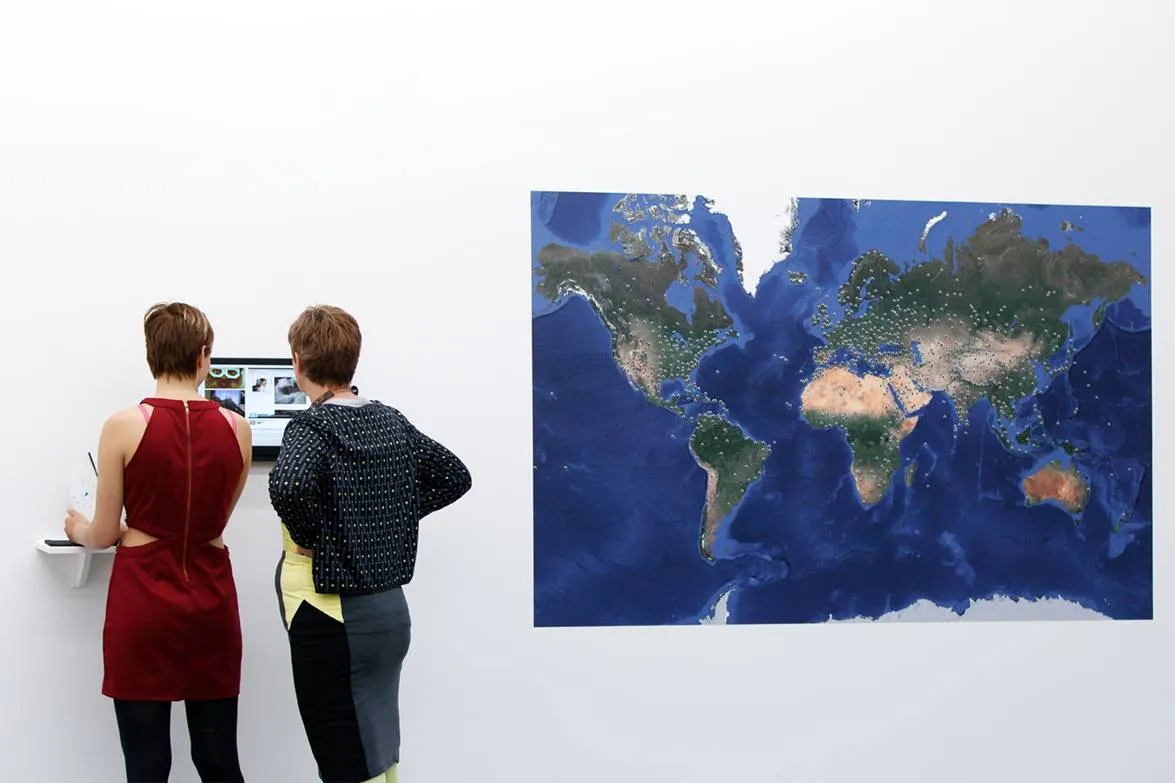
I Know Where Your Cat Lives at Witte de With Center for Contemporary Art in Rotterdam.

2015_witte_de_with_01


Opening of the exhibition ‘Art In The Age Of…Planetary Computation’, 21 May 2015. Photo: Aad Hoogendoorn

2015_witte_de_with_02


Opening of the exhibition ‘Art In The Age Of…Planetary Computation’, 21 May 2015. Photo: Aad Hoogendoorn

Art In The Age Of… Planetary Computation
22 May – 16 August 2015
Opening: 21 May 2015, 5pm

With: Aram Bartholl, Rossella Biscotti, Nina Canell, John Gerrard, Femke Herregraven, Antonia Hirsch, David Jablonowski, Navine G. Khan-Dossos, John Menick, Owen Mundy, Trevor Paglen, Lucy Raven, Stephan Tillmans, Julia Weist

How would you draw a picture of the Internet; through the machines and ‘their’ language that broadcast and store ‘our’ messages, or through the affect and power relations that those messages and their movement produce?


Exhibition visitors guide

Art In The Age Of… Planetary Computation investigates how quantification, telecommunications, and our ever-expanding information apparati not only inform contemporary artistic production, but also how contemporary art can hold a mirror up to these processes and formations. The participating artists explore the fissure between literal infrastructure—code, machines, wires, and other like-vocabularies—and the subjective socio-political interactions fostered by using these devices. Guided not only by that which can be seen on the computer screen, and the various other black mirrors we stare into day in and day out, this exhibition also looks to what happens behind these screens. Moving from objects to subjects, we ask, how do these positions impact daily life, or said in another way: what does it mean to be ‘screened’?

Art In The Age Of… Planetary Computation is the second iteration of Art In The Age Of…, a three-part presentation series running throughout 2015, that investigates future vectors of art production in the 21st century.

witte_de_with_logo

Witte de With
Center for Contemporary Art
Witte de Withstraat 50
3012 BR Rotterdam
The Netherlands
www.wdw.nl

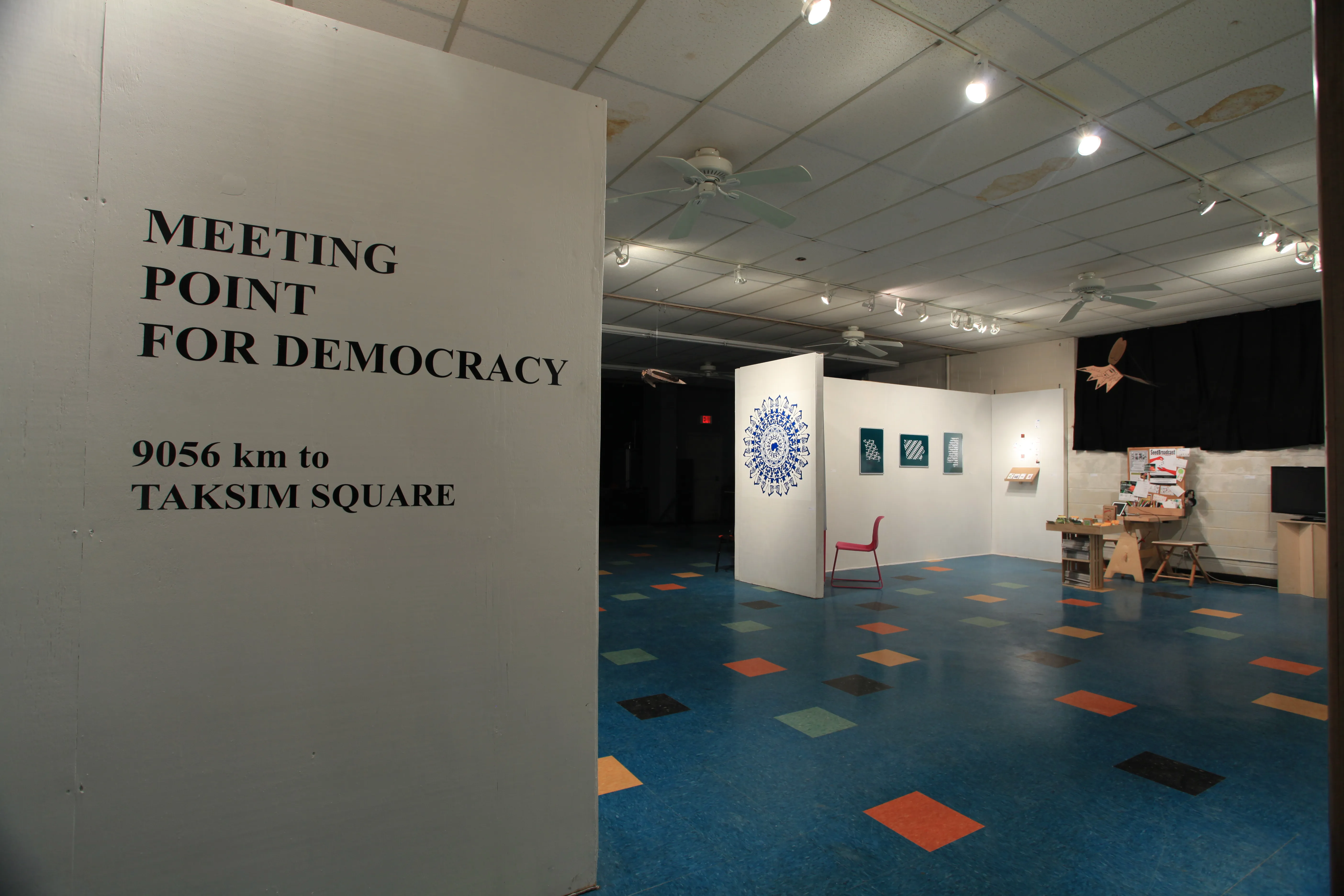
Exuberant Politics

PS1_0002

March 6-April 8, 2014
Opening Receptions:
Legion Arts – March 6, 5-7 PM
1103 3rd St. SE, Cedar Rapids

Public Space One – March 7, 6-8 PM
120 N. Dubuque St., Iowa City

see websites for gallery hours
www.legionarts.org
www.publicspaceone.com

Exhibiting Artists – Legion Arts

Brandon Bauer (United States), Mark Cooley (United States), Priti Cox (United States), Liz Ensz (United States), David Fodel (United States), Ben Grosser (United States), Miguel Angel Hernandez (Mexico), Mahdyar Jamshidi (Iran), Wago Kreider (United States), Jane Lawson (United Kingdom), Fred Lonidier (United States), Kim Maher (United States), Timea Oravecz (Hungary), Brian Prugh (United States), Ali Reid (United States), Charles Roderick (United States), Alicja Rogalska (United Kingdom), Fabio Santacroce (Italy), SeedBroadcast (United States), Robert Spahr (United States), Joanna Tam (United States), Lieve Van Stappen (Belgium)

Exhibiting Artists – Public Space One

Esther Baker-Tarpaga and Windega Tarpaga (United States), Pedro Bustamente (Germany), Vivian Charlesworth and Alyson Ogasian (United States), Stephen Chen (Germany), Chris Collins (United States), English Disco Lovers (United Kingdom), Liz Ensz (United States), Jeremy Entwistle (United States), Paul Handley (New Zealand), Josh Hoeks (United States), Faith Holland (United States), Sam Holler (United States), Philip Mantione (United States), Owen Mundy (United States), Jessica Pleyel (United States), Blanca Rego (Spain), Vincent Romaniello (United States), Jennie Schankar (United States), Heath Schultz (United States), Levi Sherman (United States), SeedBroadcast (United States), Greg Thompson (United States), Margi Weir (United States)

Plus posters and reading materials by

Richard Bannister, Bluelab, Andy Cairns, House Magic Bureau, Iraq Veterans Against the War, Kazu Livingstone, Anna McIntyre, Feliz Mundo, Tea Popovic, Melissa Potter, Matt Taylor, John Vincent, Food for Free Thought, Gene Elder, Alou Randon, Andy Singer, and Elizabeth Tonnard.

Supported by the College of Liberal Arts & Sciences Perry A. and Helen Judy Bond Fund for Interdisciplinary Interaction, the Studio for Public Digital Arts and Humanities, the School of Art and Art History, the Obermann Center, and the Project on the Rhetoric of Inquiry.

1.5 x 3.5, Orlando Museum of Art

Joelle and I installed a new work at the Orlando Museum of Art this week…

2x4_oma_2013_30_1024w

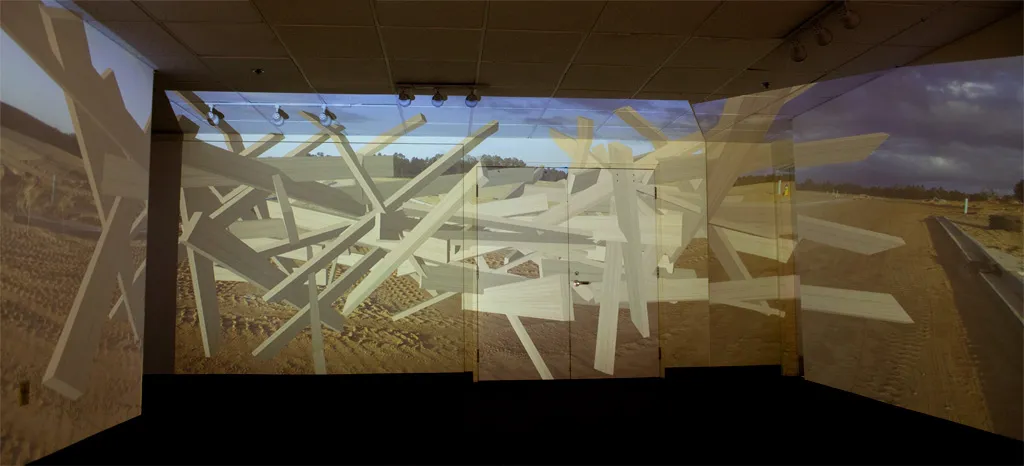
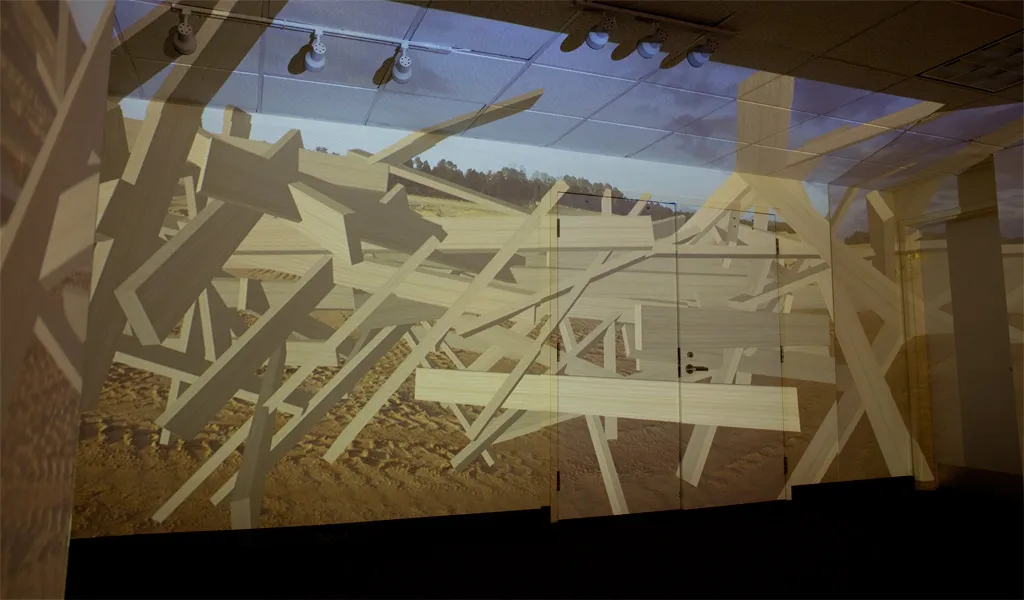
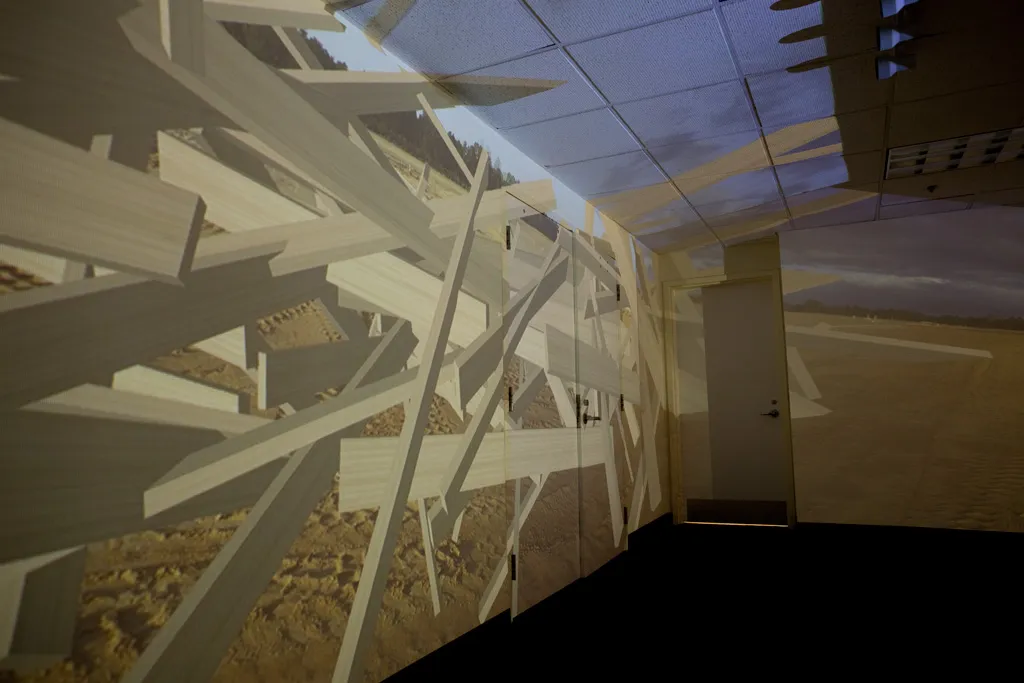
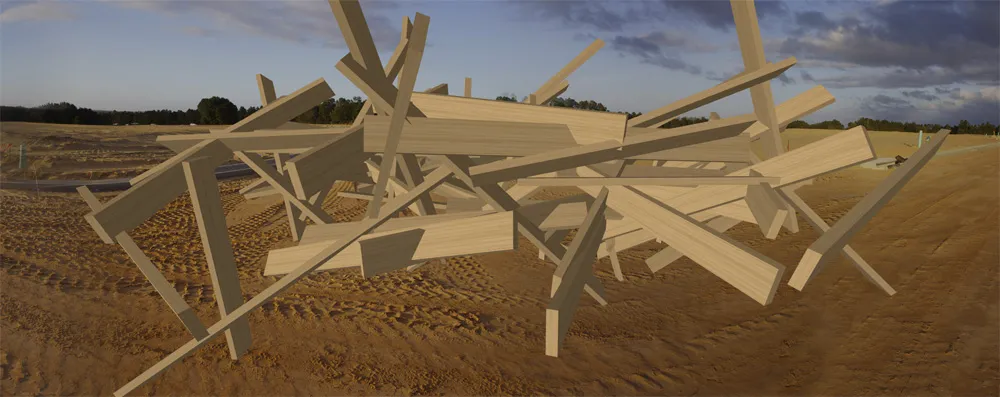
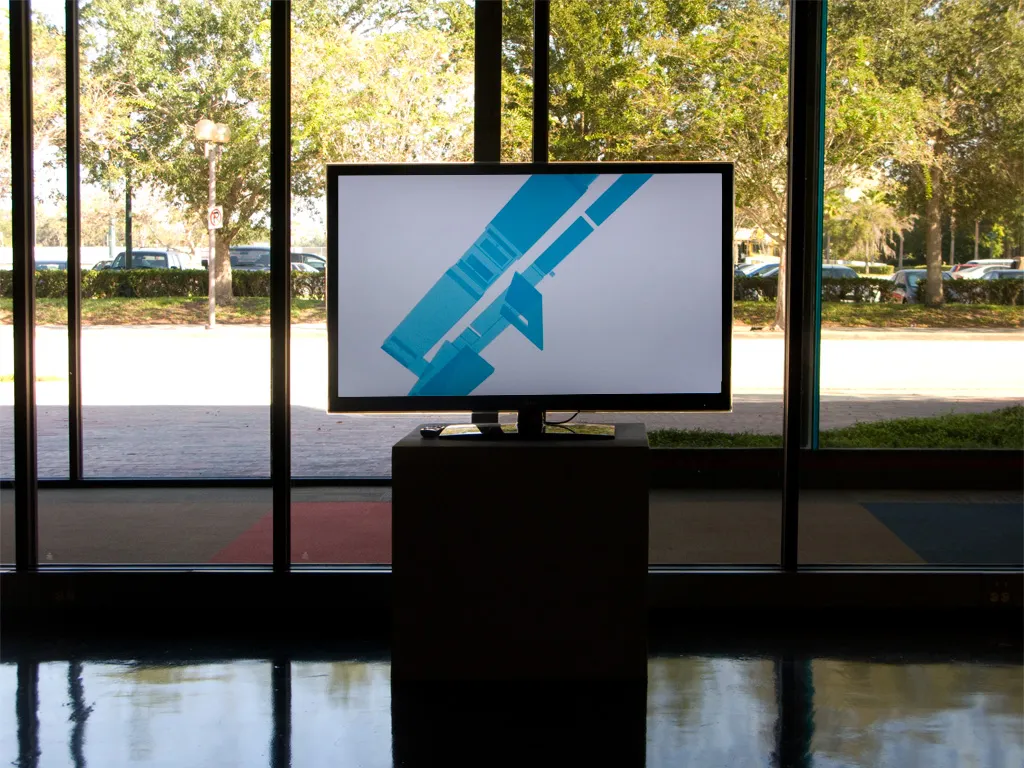
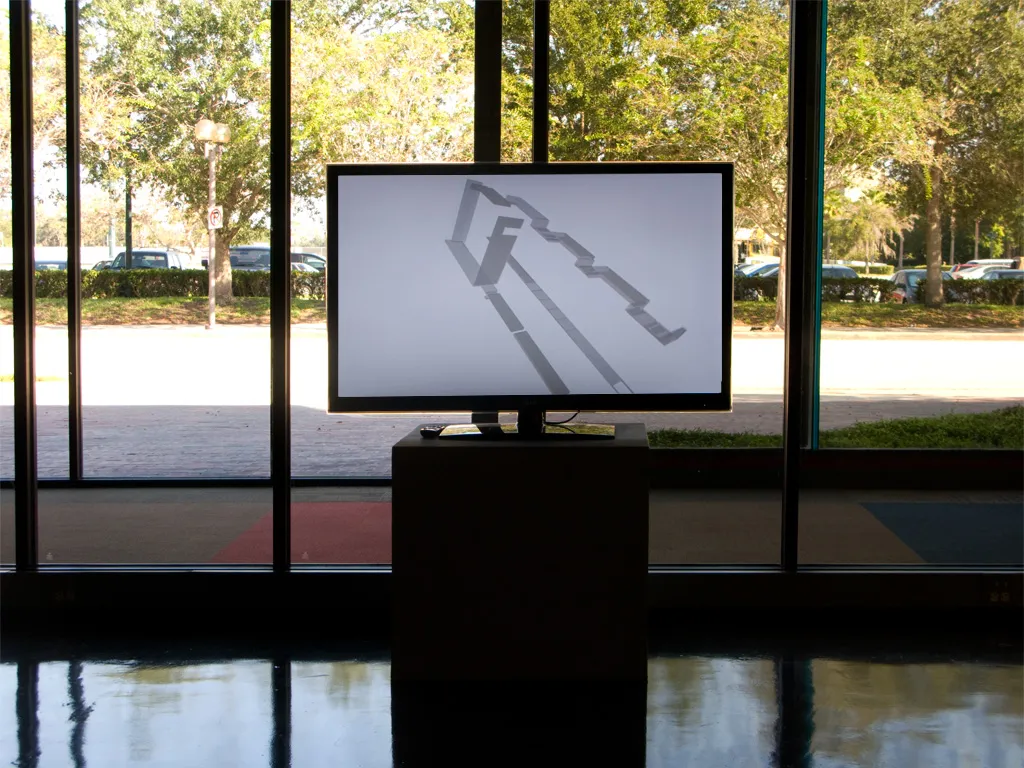
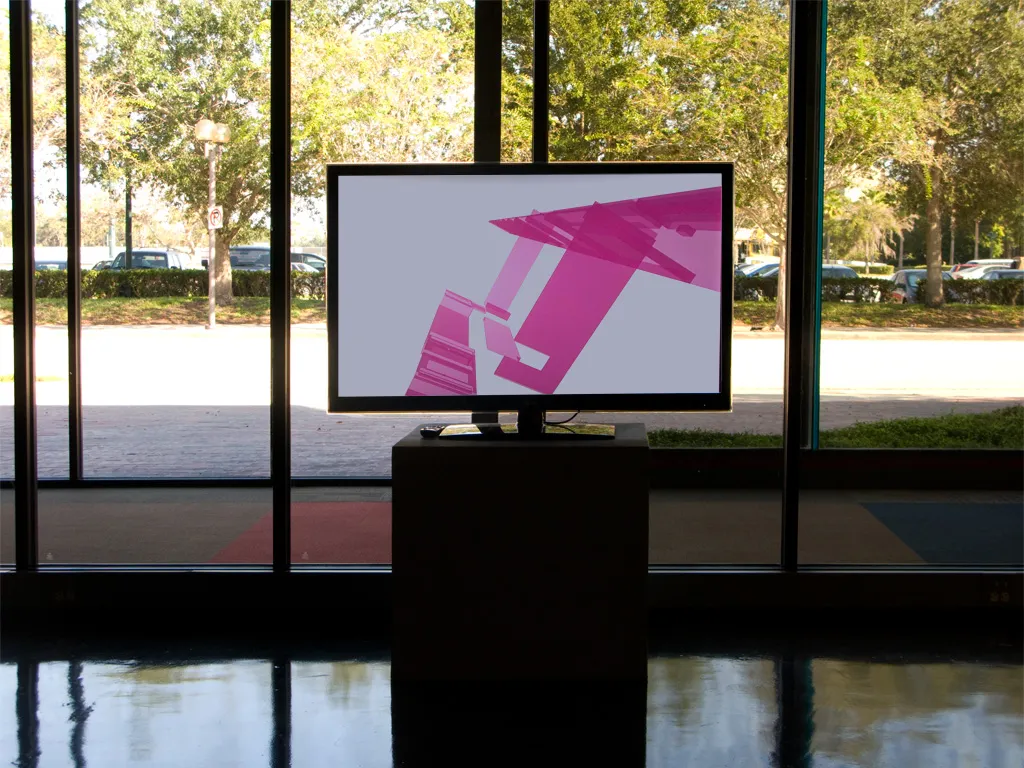
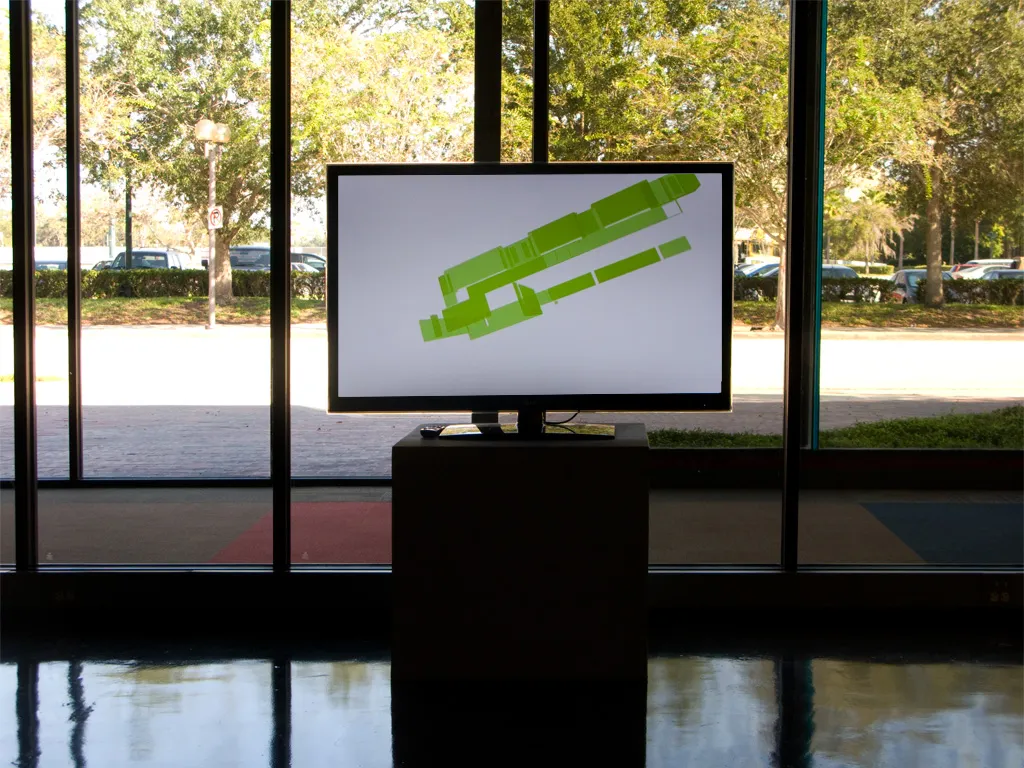
1.5 x 3.5 is a single-channel generative animation by Joelle Dietrick and Owen Mundy, currently displayed in the Orlando Museum of Art’s New Work Gallery. The title 1.5 x 3.5 is the actual measurement for a 2 x 4 inch board. Ubiquitous as an article for the construction of buildings, as well as a formal, minimal, primitive shape, the 2 x 4 here is transformed through its incorporation into a virtual space. The simulation of the generic form becomes an index for any building material, physical or digital, and its manipulation, a metaphor for the fragmentation of digital communication.

2x4_oma_2013_35_1024w

2x4_oma_2013_36_1024w

As the main character in their animation, the 2 x 4 is virtually constructed then multiplied and subtly manipulated to form an evolving cluster floating above a photograph of a contemporary construction site. From a housing development just northeast of Orlando, nestled between the Florida Turnpike and Old Country Road 50, this backdrop also calls to mind another space described by the minimalist sculptor Tony Smith. Smith describes a drive down an unfinished highway as a sublime experience. The highway’s liminal state-imagined, artificial, and full of potential-liberated Smith’s assumptions about art.

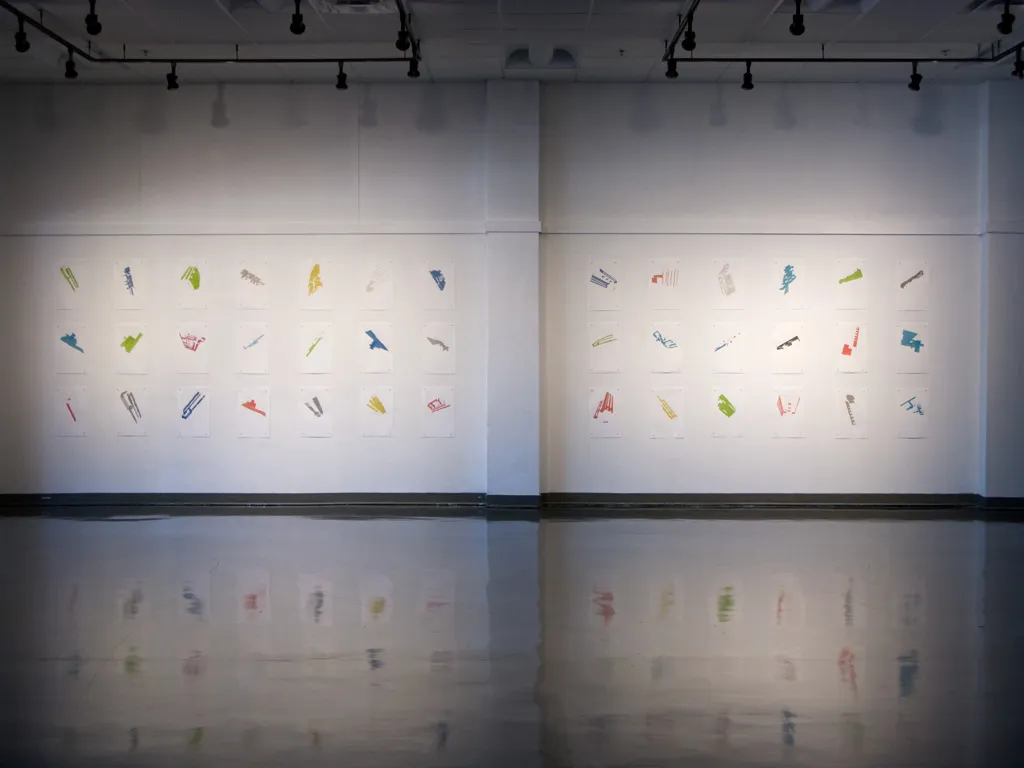
1.5 x 3.5 grows out of their recent series of installations, prints, and public artworks called Packet Switching. This body of work uses custom software to visualize architecture as fragments affected by economic and communications systems.

2x4_screen_07_crop_1000w

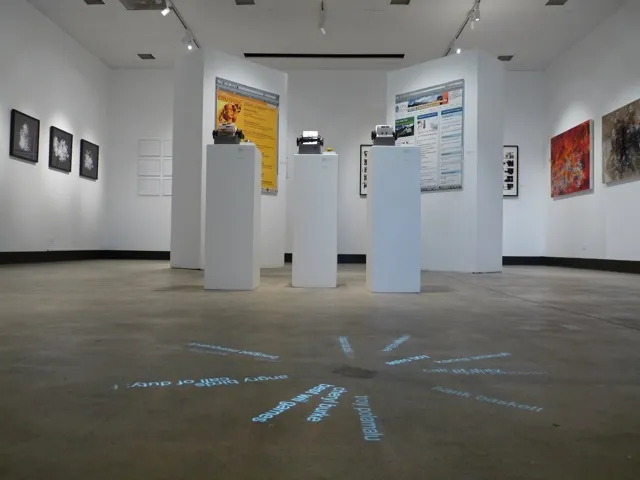
No-one Ever Cried At A Website (Speed Show) Friday, November 22

No-one Ever Cried At A Website (Speed Show)

November 22, 5:00–6:30 pm EST, Computer training room, Facility for Arts Research, 3216 Sessions Road, Tallahassee FL

With FSU students: Monique Boileau, Alexis Cooper, Jonathan Davito, Danielle English, Justin Greenstein, Antoinette Janus, Scotty Johnson, Melissa Lidsky, Michelle Medrano, Denise Morrow, Lena Weissbrot, Meghan “Red” Yancey. Curated by: Owen Mundy

Students from the Fall 2013 Network Art and Typography classes in the Department of Art at Florida State are staging an exhibition titled No-one Ever Cried At A Website (Speed Show) on November 22 5:00–6:30 pm EST at the computer training room in the Facility for Arts Research, Tallahassee FL.

The exhibition title is modified from an article called, “No-one Ever Cried At A Website,” written by artist/coder Matt Pearson. The document examines how emotion is often forgotten when analyzing technologically-sophisticated works of art such as those which exist on the internet. It reminds readers that painting was once a technology, and asks how beauty, empathy, and interaction can all be triggers for emotional response regardless of the medium for delivery. The prompt for the works in this show, created mostly collaboratively, over the course of 10 days, and specifically for this exhibition, is to address how emotion can be used to engage online audiences to look, listen, and be moved by internet-based art.

Speed Show exhibition, popularized by artist, Aram Barthol, are arranged as following: “Hit an Internet-cafe (or computer classroom), rent all computers they have and run a show on them for one night. All art works of the participating artists need to be on-line and are shown in a typical browser with standard plug-ins.”

Poster: Print resolution and E-mail resolution

CYBER IN SECURITIES, Pepco Edison Place Gallery, Washington, DC

CyberInSecurities_grid

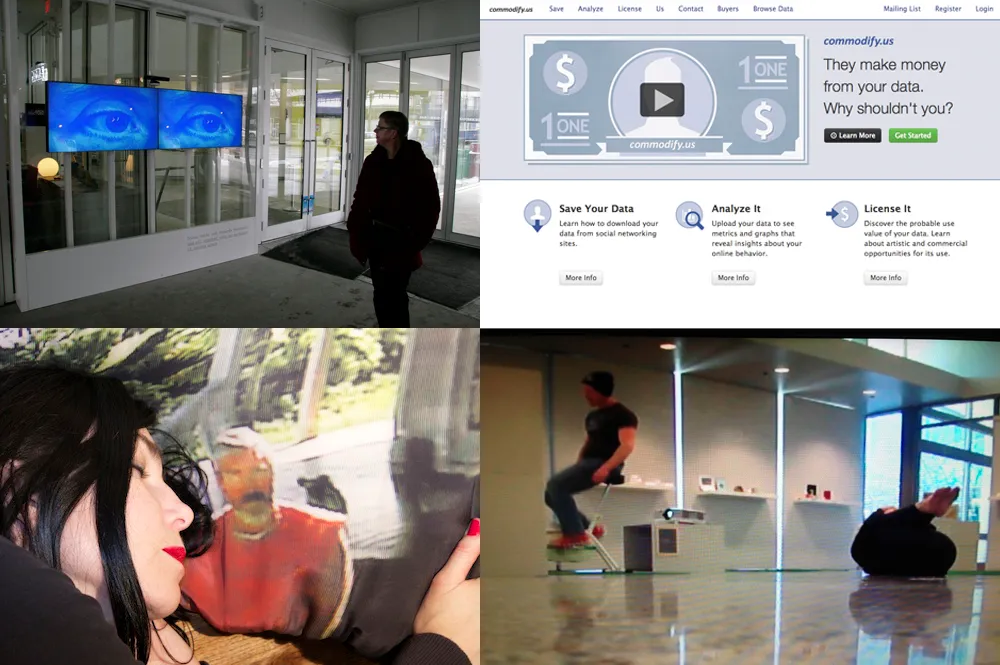
clockwise l to r: Ricarada McDonald and Donna Szoke, and all watched over by machines of loving grace; Birgit Bachler, Walter Langelaar, Owen Mundy, and Tim Schwartz, Commodify.us; Lexie Mountain, Ball Hard; Whitefeather, Parent Folder

CYBER IN SECURITIES
Dates: August 30 – September 27, 2013
Location: Pepco Edison Place Gallery, 702 8th Street, NW, Washington, DC

Curated by: Lisa Moren, Professor, Department of Visual Art, University of Maryland, Baltimore County

Participating Artists: Birgit Bachler, Walter Langelaar, Owen Mundy, and Tim Schwartz; Channel TWo (CH2): Adam Trowbridge and Jessica Westbrook, with Jesus Duran; Heather Dewey-Hagborg; Hasan Elahi; The Force of Freedom with Dave Young; Taylor Hokanson; Ricarda McDonald and Donna Szoke; Lexie Mountain; Preemptive Media; David Rokeby; Julia Kim Smith; and WhiteFeather

Opening Reception: Friday, August 30, 2013, 6-8pm
Exhibition Hours: Tuesday – Friday, 12pm-4pm

Experimental Media Video Screening Series
Juried by Jason Eppink, Associate Curator of Digital Media, Museum of the Moving Image, New York

Experimental Media Video Series Night One: Thursday, September 12, 2013, 6:30pm
Location: The Phillips Collection, 1600 21st Street, NW, Washington, DC

Experimental Media Video Series Night Two: Monday, September 24, 2013, 6:30pm
Location: The Corcoran Gallery of Art and College of Art + Design, 500 17th Street, NW, Washington, DC

Experimental Media Symposium: Saturday, September 21, 2013
Location: Pepco Edison Place Gallery, 702 8th Street, NW, Washington, DC

Experimental Media 2013 will explore security, privacy, and surveillance in the digital age, through a gallery exhibition, video screenings series, and panel discussion.

Terms & Conditions of Use (documentation)

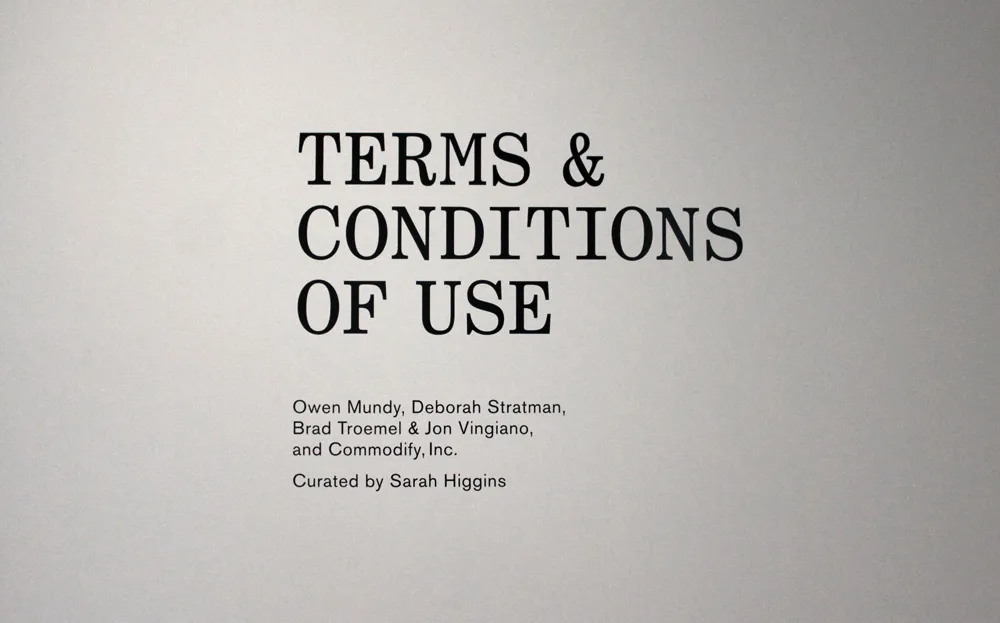
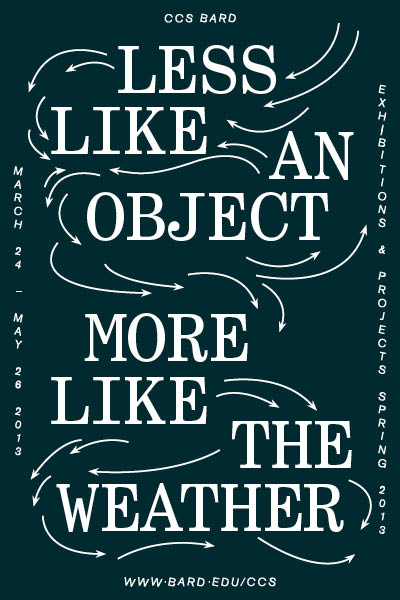
Terms & Conditions of Use, curated by Sarah Higgins and part of the larger Less Like an Object More Like The Weather Graduate Thesis Exhibition at the Center for Curatorial Studies, Bard College/Hessel Museum, closes this Sunday. Here are some images and a video from two of the three commissioned works for the exhibition.

bard_terms_title_1000w

terms_ticker_05_800h

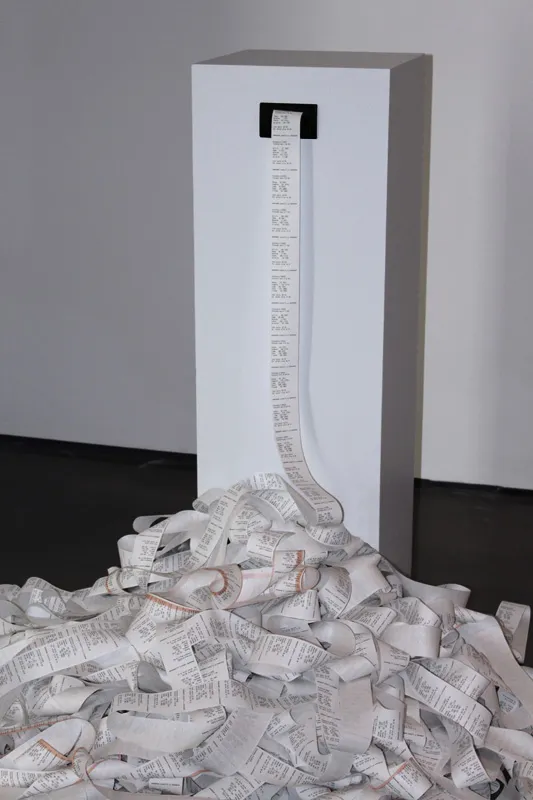
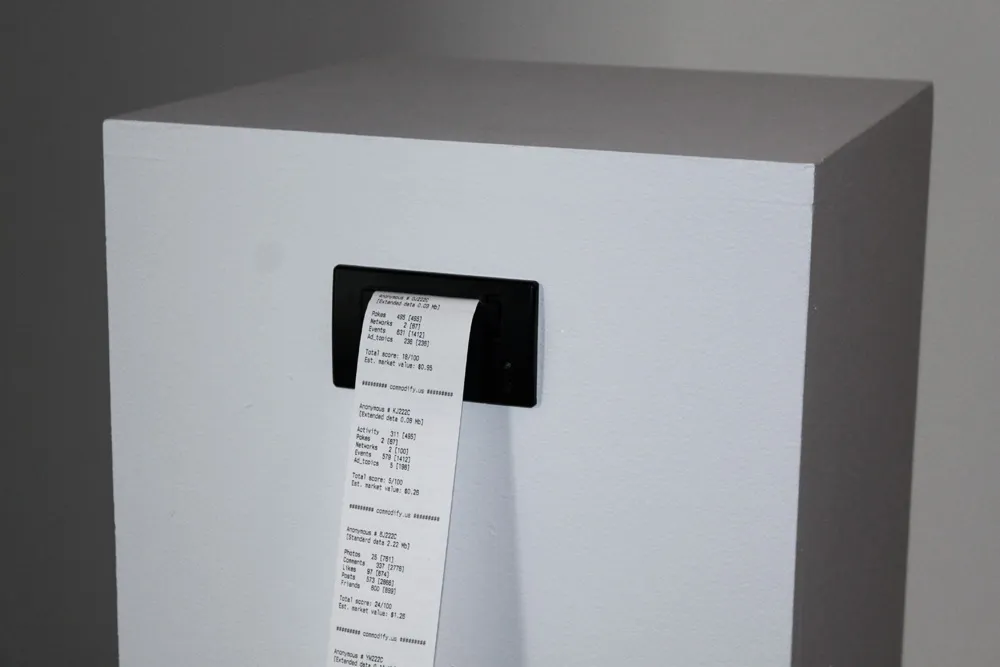
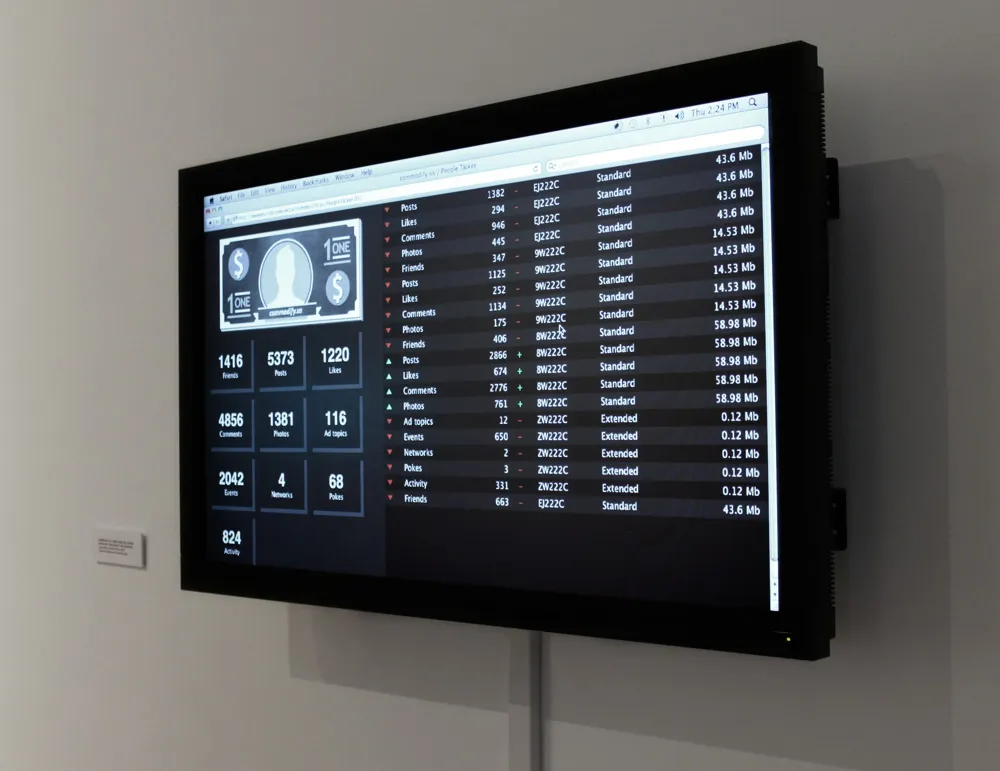
Commodify.us PeopleTicker, computer, thermal printer, paper, 2013

terms_ticker_09_1000w

Commodify.us PeopleTicker, computer, thermal printer, paper, 2013

terms_network_05_1000w

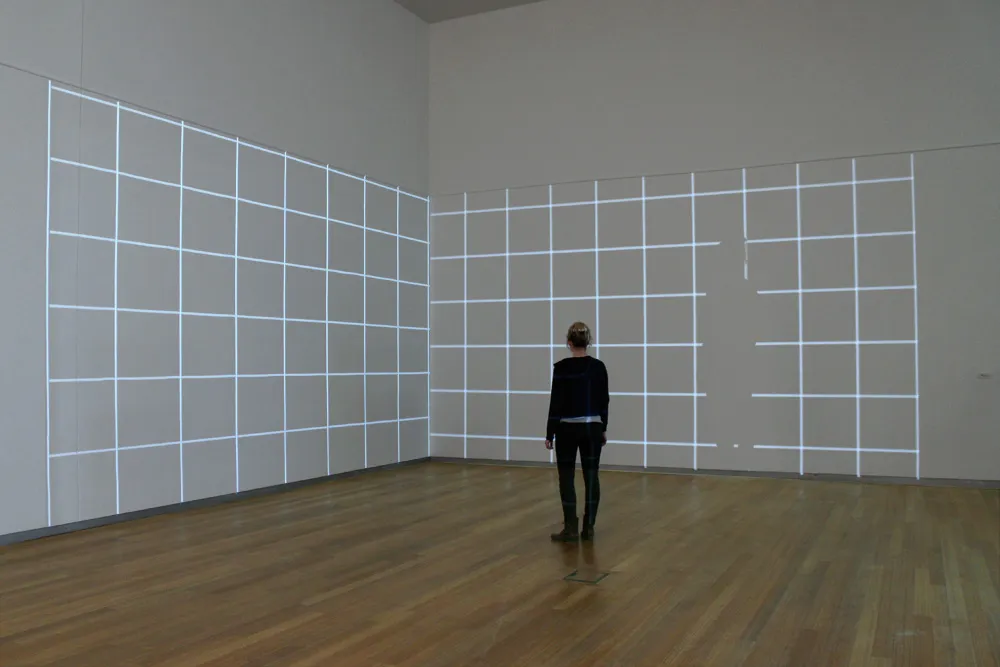
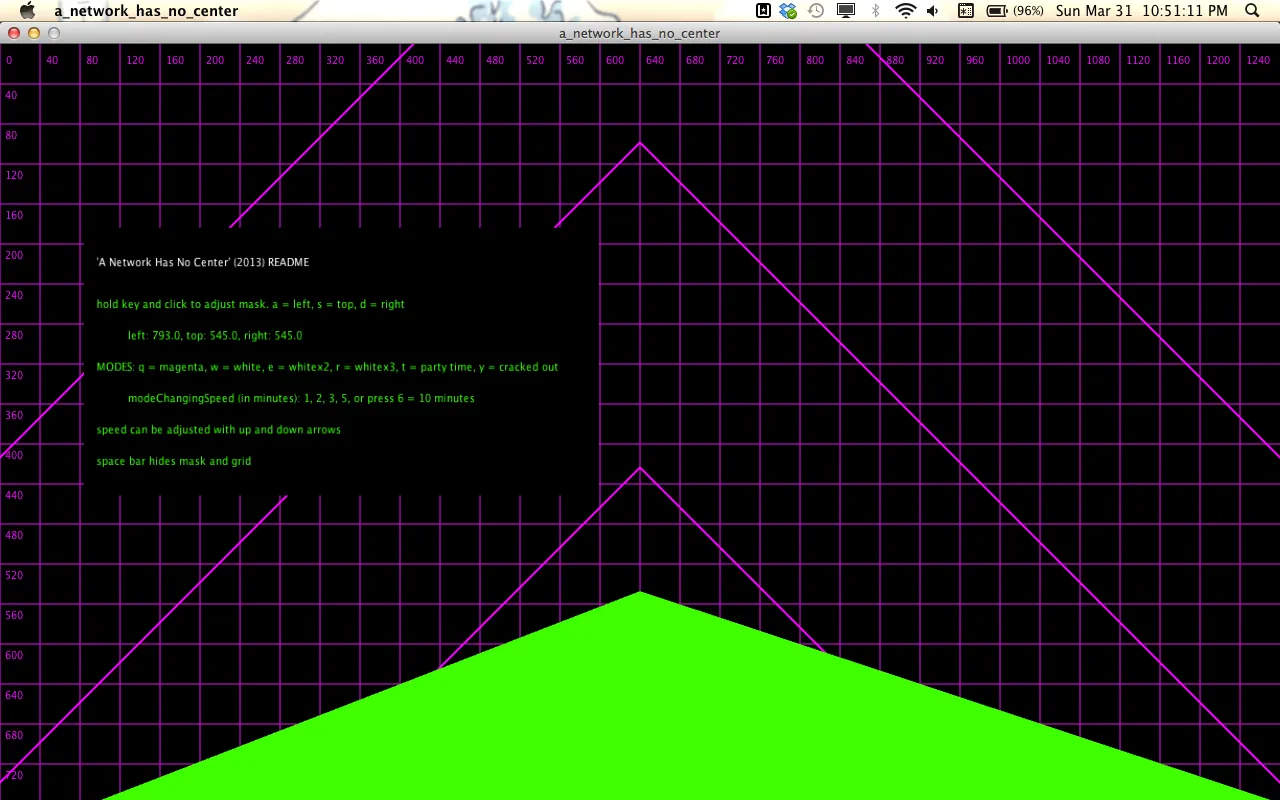
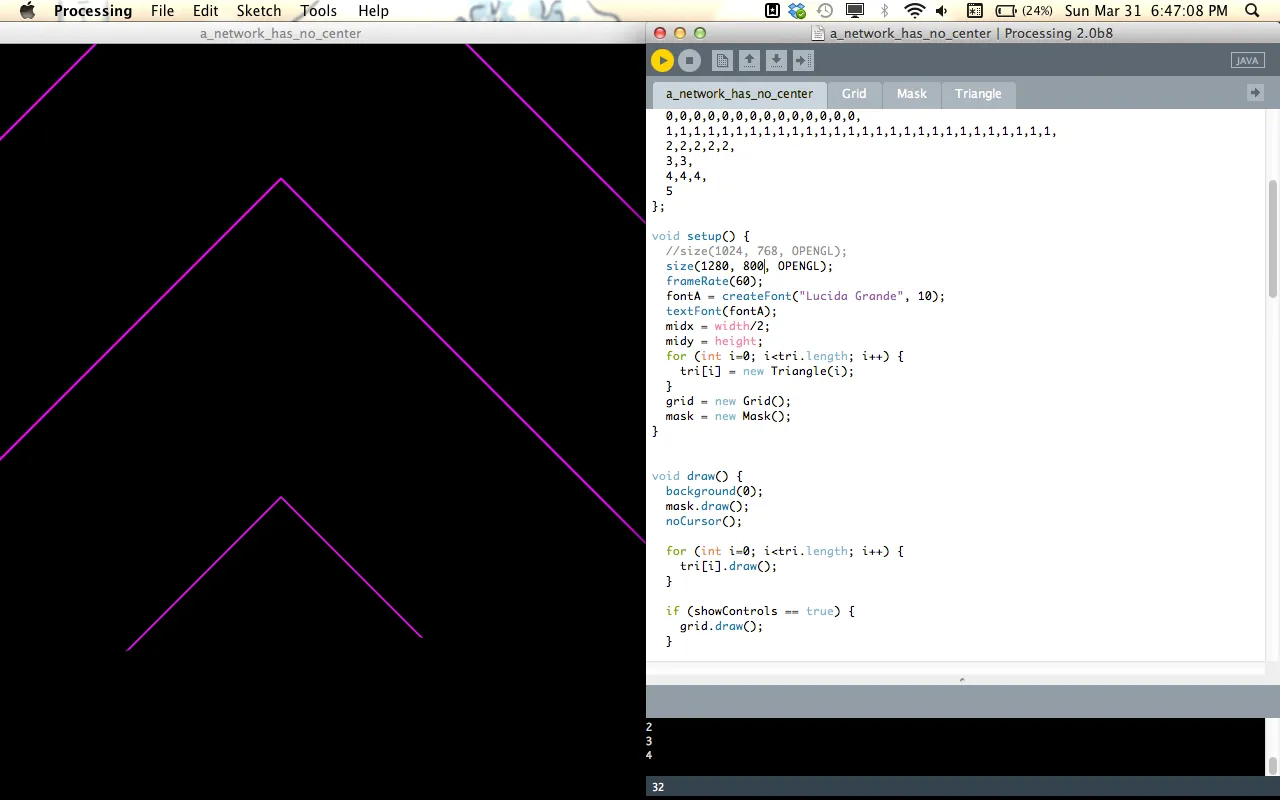
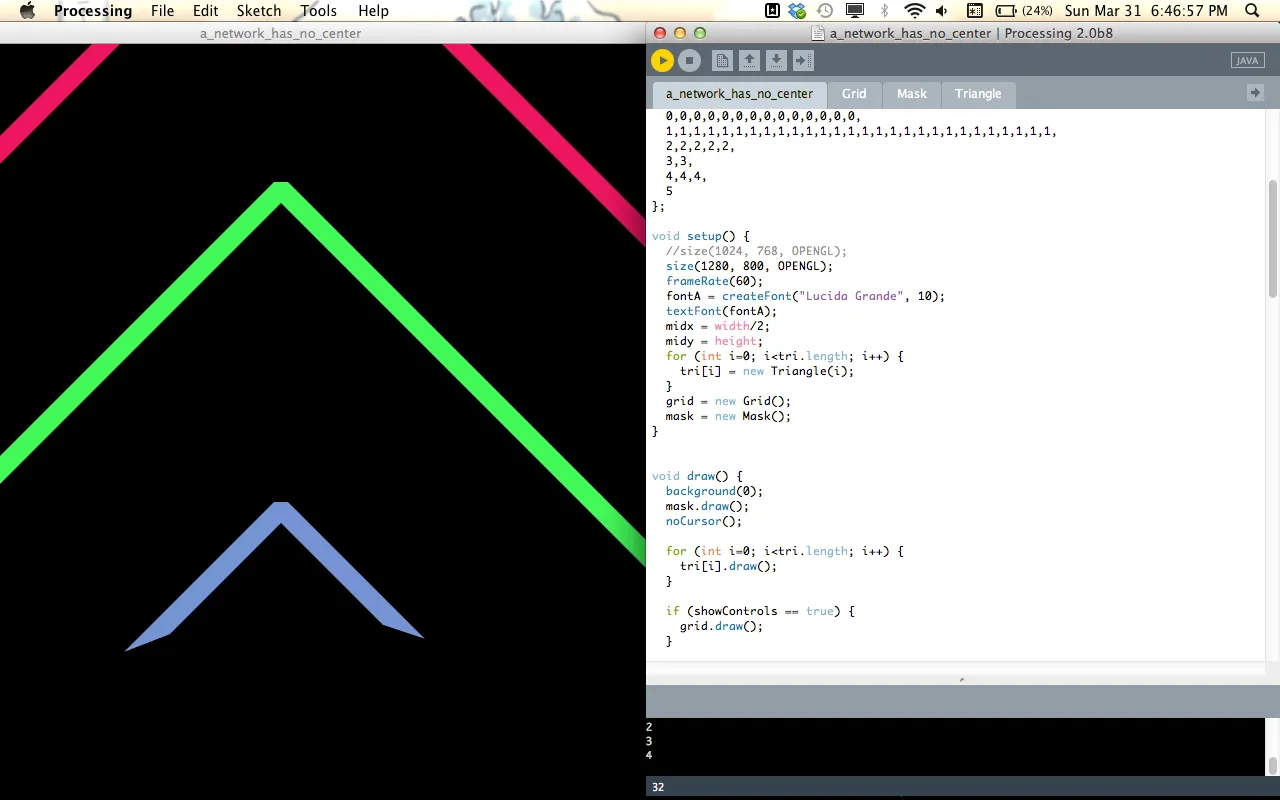
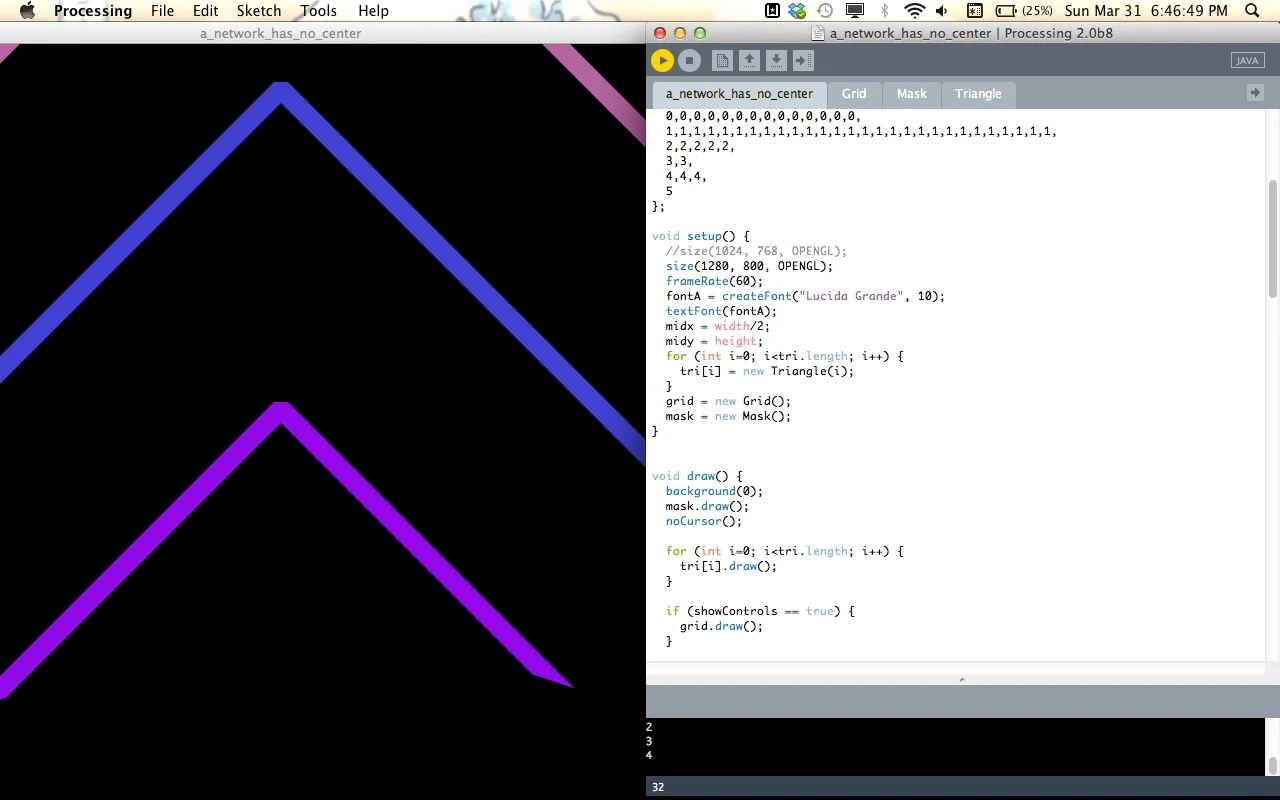
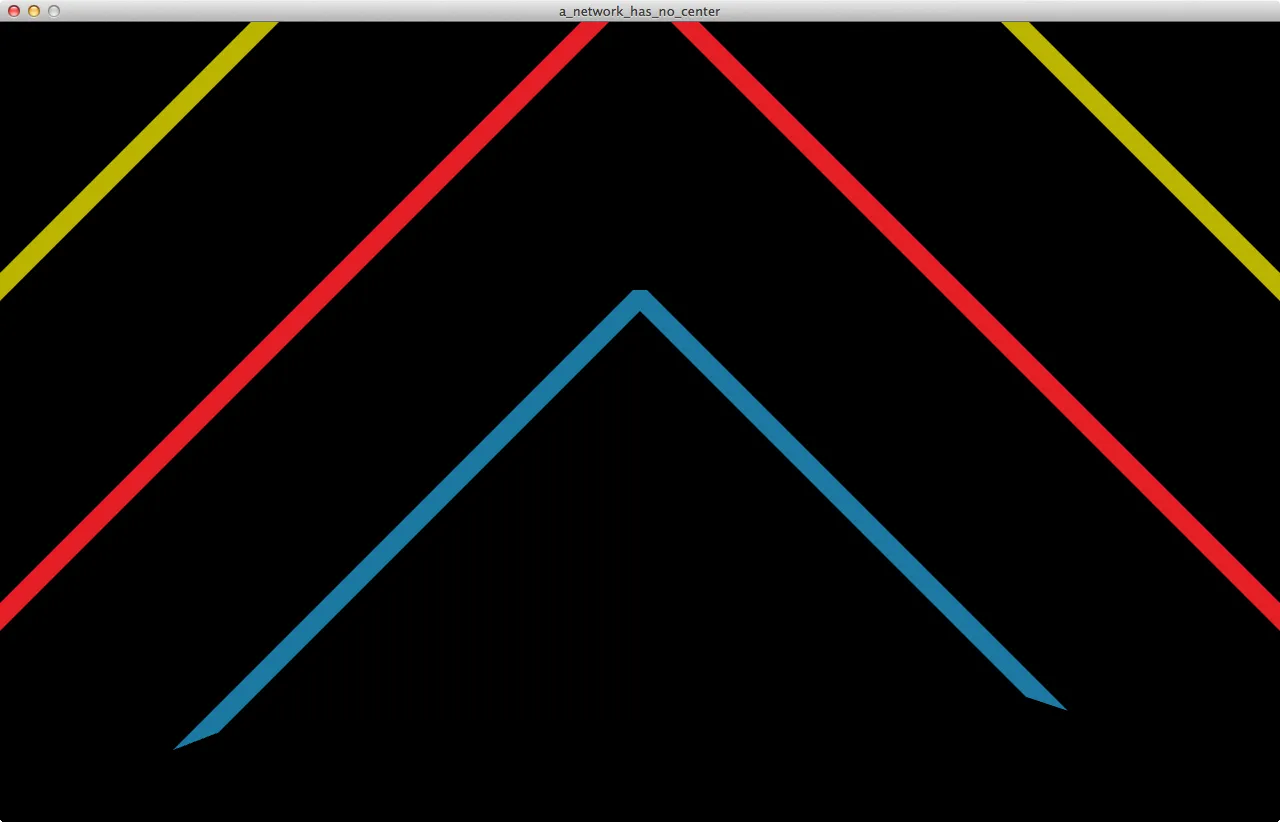
A Network Has No Center (“standard” mode), projector, custom software, ink jet on mylar, 2013

terms_network_07_1000w

A Network Has No Center (“standard” mode), projector, custom software, ink jet on mylar, 2013

terms_network_29_1000w

A Network Has No Center (“cracked-out” mode), projector, custom software, ink jet on mylar, 2013

terms_network_22_1000w

A Network Has No Center (“cracked-out” mode), projector, custom software, ink jet on mylar, 2013

terms_network_28_1000w

A Network Has No Center (“cracked-out” mode), projector, custom software, ink jet on mylar, 2013

Packet Switcher @ Herron School of Art and Design (documentation)

Some images from the exhibition…

herron_darkly_29_desert_1000w

Through A Glass Darkly: Epilogue (7:30), Single-channel video, 2011 (left) and Through A Glass Darkly (12:08), Single-channel video, 2008 (right)

herron_darkly_29_apocalpse_1000w

Through A Glass Darkly: Epilogue (7:30), Single-channel video, 2011 (left) and Through A Glass Darkly (12:08), Single-channel video, 2008 (right)

herron_commodifyticker_03_1000w

Commodify.us Ticker (with Commodify, Inc.), Live data stream, 2012-13

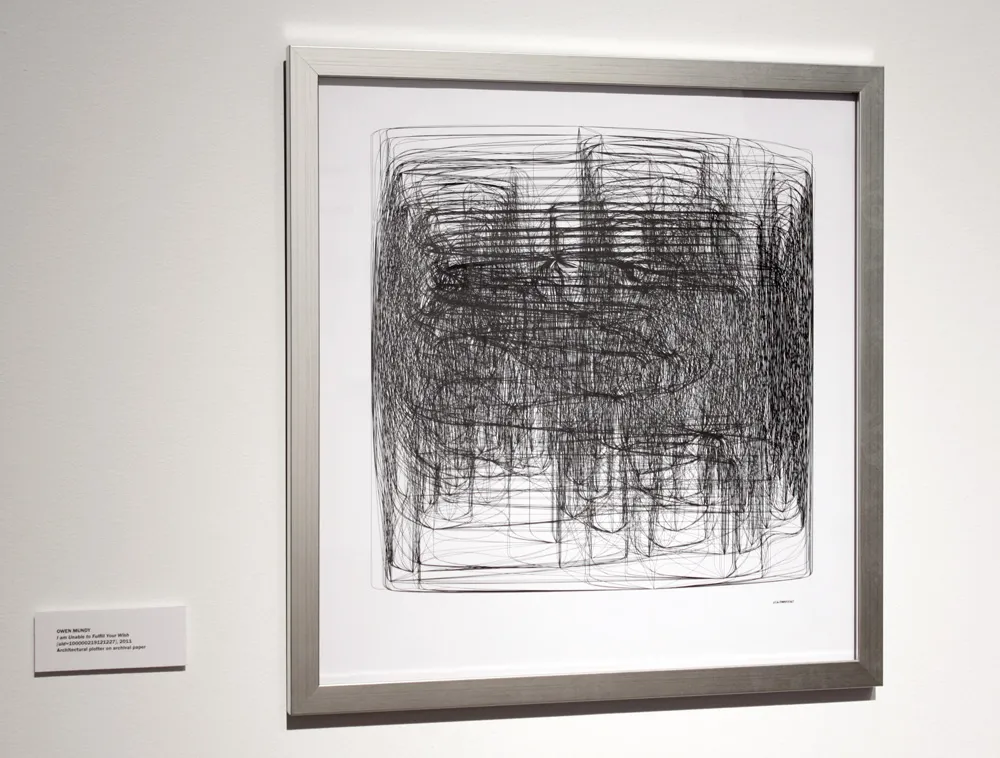
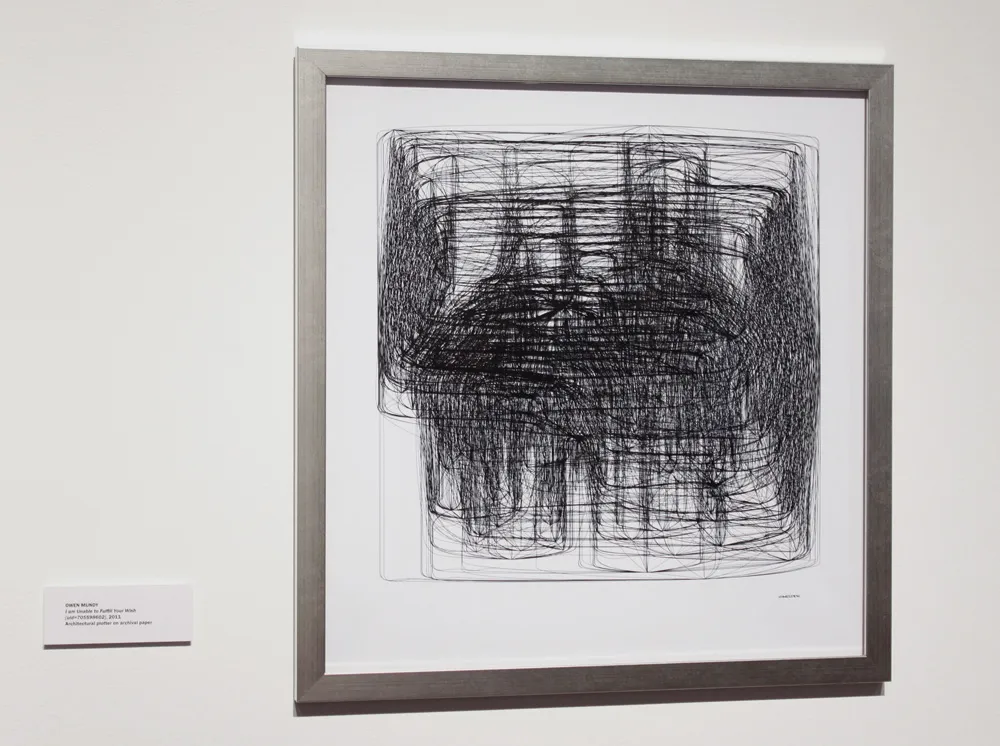
herron_unable_10_1000w

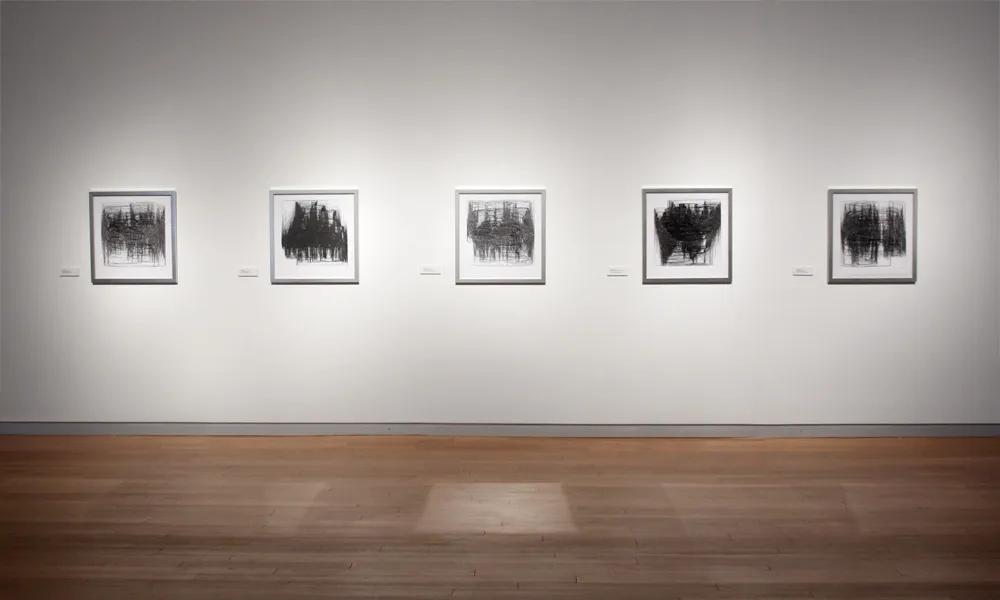
I Am Unable To Fulfill Your Wish, Line-plotter prints w/archival ink

herron_unable_05_1000w

I Am Unable To Fulfill Your Wish, Line-plotter prints w/archival ink

herron_unable_17_1000w

I Am Unable To Fulfill Your Wish, Line-plotter prints w/archival ink

herron_consequence_03_1000w

The Consequence of Scale, Projectors and custom software, 2009

herron_selfprinttest_05_irvine_1000w

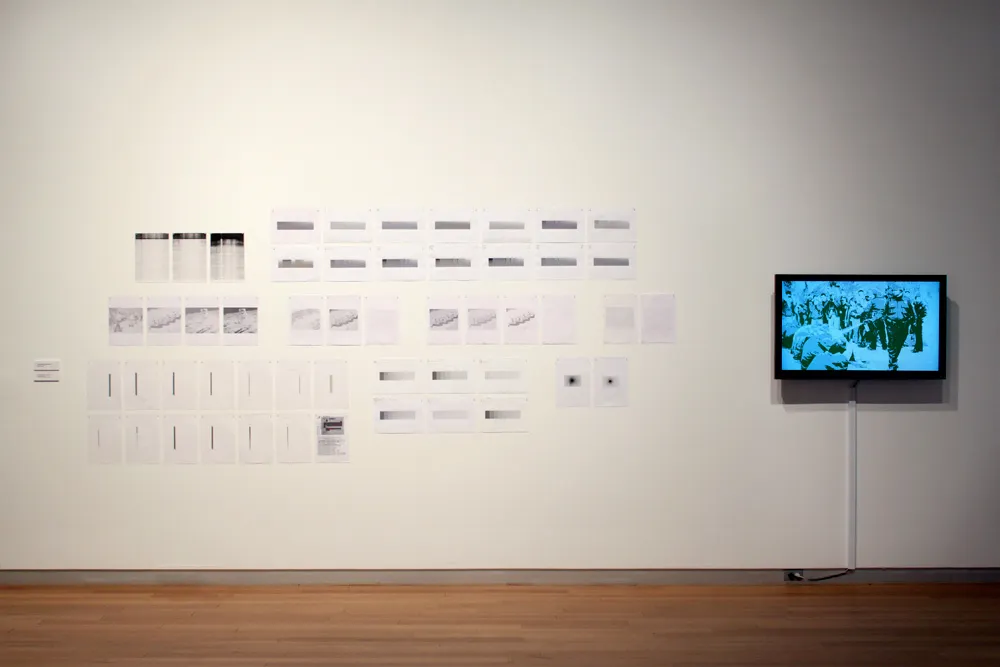
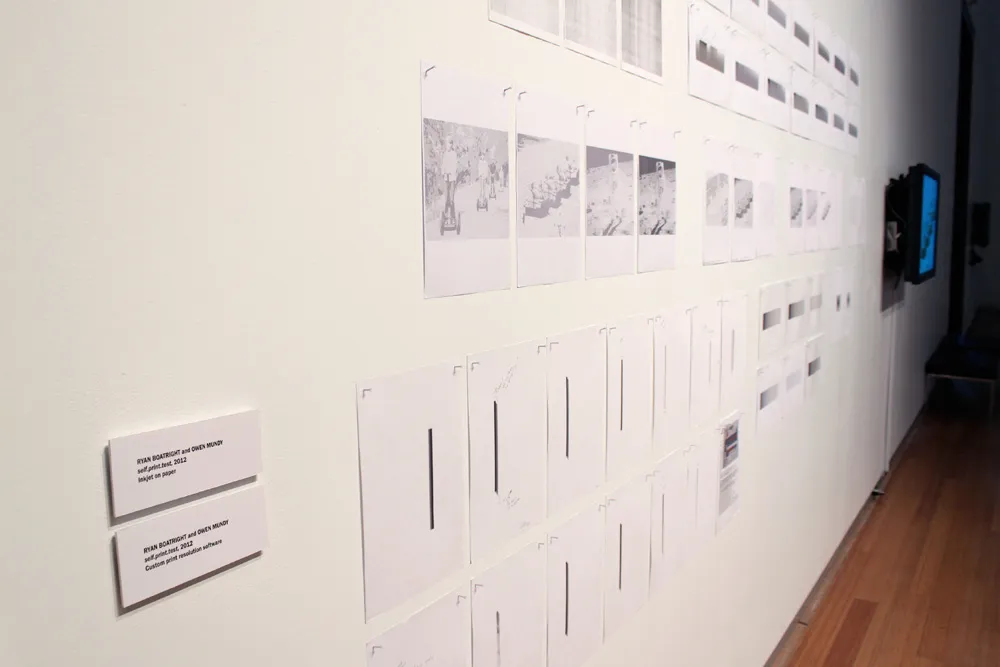
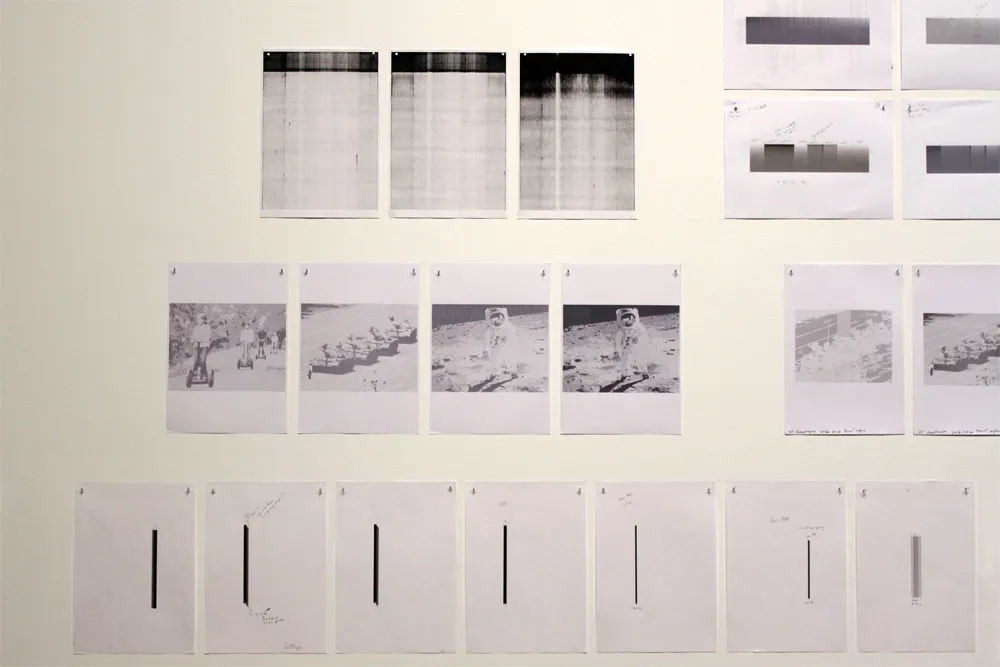
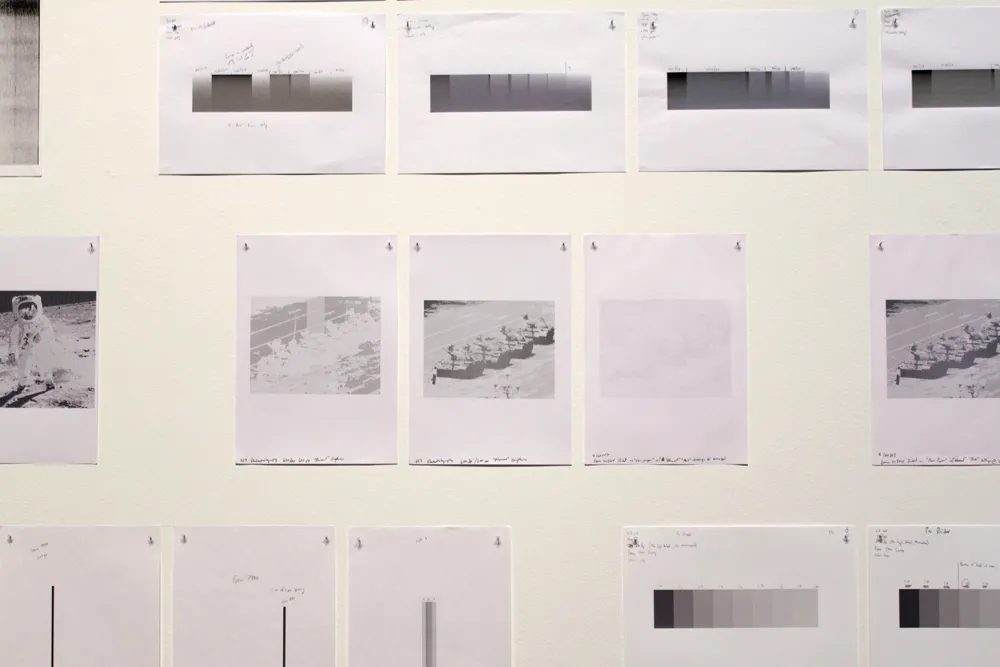
Self.print.test (with Ryan Boatright), Ink jet prints and custom software, 2012-13

herron_selfprinttest_20_sideview_1000w

Self.print.test (with Ryan Boatright), Ink jet prints and custom software, 2012-13

herron_selfprinttest_19_1000w

Self.print.test (with Ryan Boatright), Ink jet prints and custom software, 2012-13

herron_selfprinttest_17_1000w

Self.print.test (with Ryan Boatright), Ink jet prints and custom software, 2012-13

herron_drone_01_1000w

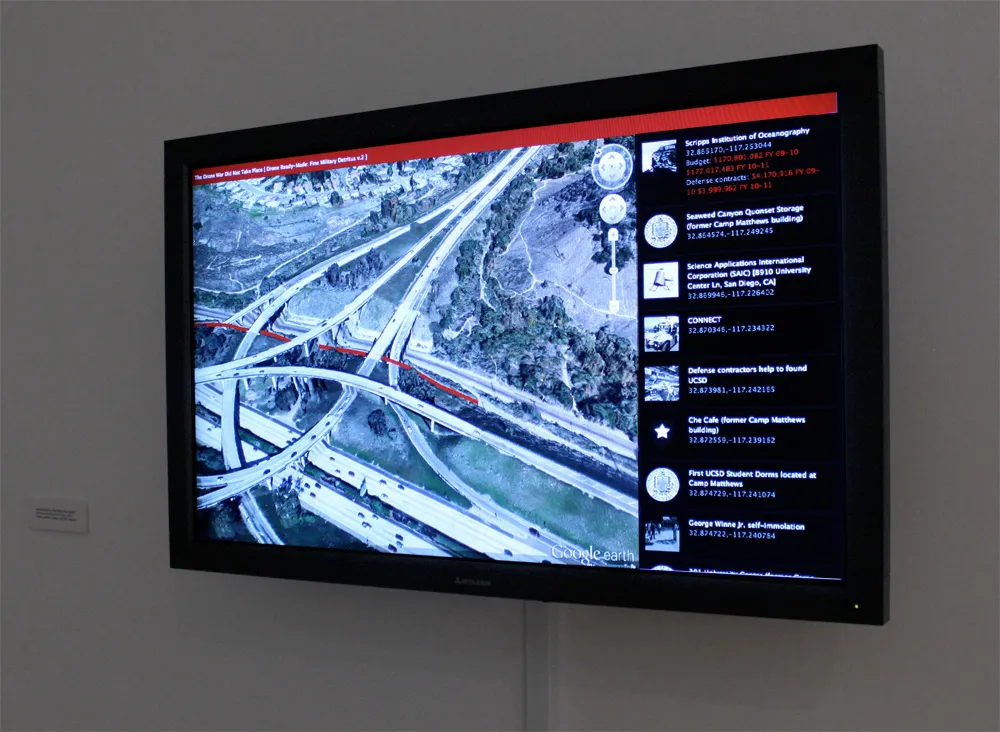
The Drone War Did Not Take Place (with The Periscope Project), Google Earth API and custom software, 2012

Terms & Conditions of Use @ Bard College

SHiggins.HeaderImage

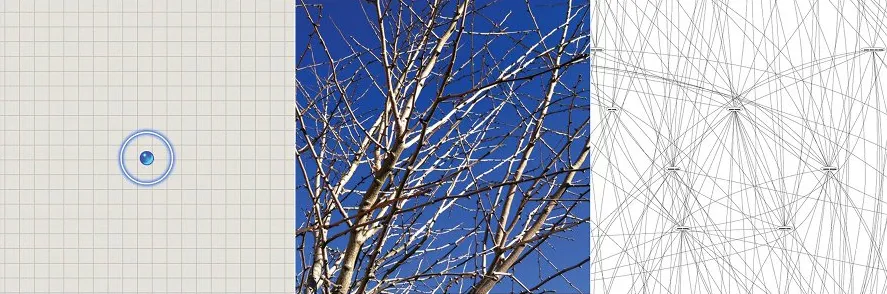
image: L-R: Owen Mundy, visual reference material (grid); gingko branches outside CCS/Hessel Museum; Owen Mundy, (detail) I Am Unable to Fulfill Your Wish: User-100001530701910

Owen Mundy
Deborah Stratman
Brad Troemel & Jon Vingiano
Commodify, Inc.

Curated by Sarah Higgins

Hessel Museum of Art
Annandale-on-Hudson, NY, USA
March 24–May 26, 2013

Exhibition Webpage: CCS Bard
e-flux announcement

Expanding forms of virtual connectivity and networked interaction have given rise to modes of monitoring and control that no longer resemble traditional audio/visual surveillance. Digital interactions, such as social networking or the use of search engines and reference sites, is now contingent on a voyeuristic model of give and take. This reciprocity forces an implicit social contract: the user relinquishes control, not only over their produced content, but over their accumulated history of actions, connections, and behaviors. This is offered in exchange for greater connectivity, social visibility, and an increasingly personalized consumer experience. An industry has rapidly proliferated, driven by advances in information aggregation and predicated on the commodification of the online subject.
Monitoring and control-embedded beneath the architecture of online communities founded on the promise of connectivity-have altered the conditions upon which artists build resistant and critical practices.

Artists working to generate visibility and resistance to this substructure face two primary but limiting positions of refusal: to unplug from networked technologies, or to employ methods evolved from a hacker ethos at the risk of replicating the exploitative operations of the power structure. As an alternative, Terms & Conditions of Use argues for a technologically embedded and ethically effective structural critique. The title references the contractual agreements, implicit and explicit, to which participants in online communities are subject, while pointing to forms of artistic engagement that revise terms and conditions towards resistance.

Owen Mundy is an artist, designer, and programmer who investigates public space and its relationship to data. His artwork highlights inconspicuous trends and offers tools to make hackers out of everyday users. He has an MFA in Visual Art from the University of California, San Diego and is an Assistant Professor of Art at Florida State University.

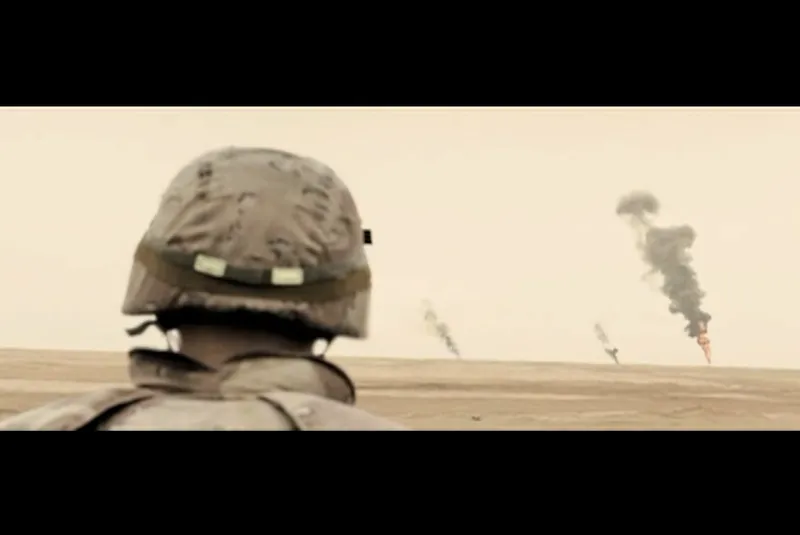
A Network Has No Center, commissioned for this exhibition, addresses a tension between embodied agency and the illusion of agential action within digital space. Control in interactivity is externalized and formally abstracted. The images on Mylar: a special effects explosion from the making of the film Top Gun, and the gridded substructure and geopositioning icon of the Google Maps application point to where site, politics, and representation intersect with digital technologies.

Deborah Stratman is a Chicago-based artist and filmmaker interested in landscapes and systems. Much of her work points to the relationships between physical environments and the very human struggles for power and control that are played out on the land. Stratman works in multiple mediums, including sculpture, photography, drawing and audio. She has exhibited internationally at venues including the Whitney Biennial, MoMA NY, the Pompidou, Hammer Museum, Witte de With, Walker Art Center, Yerba Buena Center, and has done site-specific projects with the Center for Land Use Interpretation, Temporary Services, Mercer Union (Toronto), Blaffer Gallery (Houston), Klondike Institute of Art & Culture (Yukon) and Ballroom Gallery (Marfa). Stratman’s films have been featured at numerous international festivals including Sundance, the Viennale, Full Frame, Ann Arbor, Oberhausen and Rotterdam. She is the recipient of Fulbright and Guggenheim fellowships, a Creative Capital award, and she currently teaches at the University of Illinois at Chicago.

Deborah Stratman’s ongoing work, FEAR consists of publicly distributed business cards soliciting strangers to phone an 800 number that then prompts them to describe their worst fear. The resulting messages are compiled and presented as an audio work, accompanied by a stack of the cards. The decade-long project explores the relationship between real versus imagined cultural fears. The solicitation of fears is neither explained as a work of art, nor is it made clear that the fears may be publicly presented. The work relies on participants’ desires to speak and be heard, even to an anonymous entity with no promise of privacy.

Brad Troemel & Jon Vingiano’s project, Surfcave, is an online image sharing community that allows users to present their browsing habits in realtime. Once the Surfcave Chrome Extension is installed on a device, every image viewed online is fed into the image stream. In order to access the stream, one must first become a member of the community, submitting him/herself to the same conditions of access to personal online behavior that produce the voyeuristic reward. Only by relinquishing online privacy is the user able to access the viewing habits of others.

Commodify, Inc. is an international collective of artists working with digital media platforms. Its members, Birgit Bachler, Walter Langelaar, Owen Mundy, and Tim Schwartz, are responsible for the creation and management of commodify.us. This web based project allows users to access their social media profile data—in this case Facebook—and license that data to intervene in the existing market for their personal information. For Terms & Conditions of Use, the project appears in the form of a series of anonymous visualizations of personal data generated by social media networks. These are printed at the height of the source individual. Accompanying them is a receipt printer connected to a live feed of financial reports: scores that indicate the projected value for each of the personal data packages.

Terms & Conditions of Use is curated by Sarah Higgins as part of the requirements for the Master of Arts degree at the Center for Curatorial Studies.

Terms & Conditions of Use is part of
LESS LIKE AN OBJECT MORE LIKE THE WEATHER
2013 Graduate Thesis Exhibitions
Center for Curatorial Studies, Bard College

Packet Switcher @ Herron School of Art and Design, IUPUI

the-consequence-of-scale_01_1000w

I’m leaving soon to install a new show at the Herron School of Art and Design, Indiana University/Purdue University Indianapolis (IUPUI). The exhibition contains lots of new works, many created in collaboration with other artists and collectives. Ryan Boatright, Joelle Dietrick, The Periscope Project, and Commodify, Inc. (Tim Schwartz, Walter Langelaar, Birgit Bachler). Here’s the PR with details about the show and lecture.

Herron School of Art and Design will host Packet Switcher, an exhibition of recent projects by artist, designer and programmer Owen Mundy. The exhibition opens in the Robert B. Berskhire, Eleanor Prest Reese and Dorit and Gerald Paul Galleries on February 27 with a lecture by Mundy at 6:00 p.m. There will be a reception immediately following from 7:00 p.m. to 9:00 p.m. Packet Switcher runs through April 13.

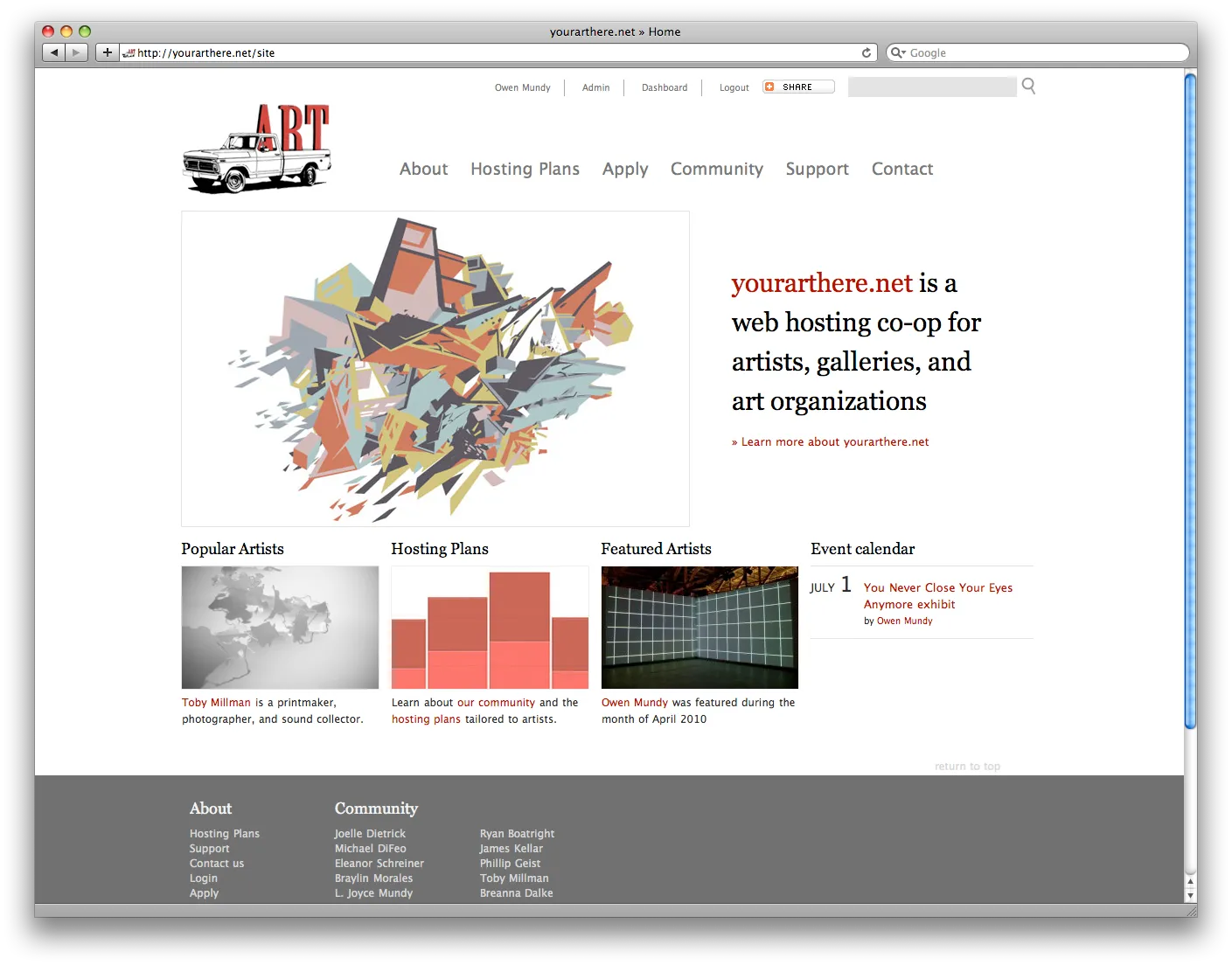
Mundy is an assistant professor of art at Florida State University. He earned an M.F.A. degree in Visual Art from the University of California, San Diego and a B.F.A. degree from Indiana University, Bloomington. He’s a founder of Your Art Here http://yourarthere.org, an art organization that creates venues where art and ideas can be expressed freely through the use of billboards and other public spaces. In 2009 he created Give Me My Data http://givememydata.com, an online application that helps people get their data out of Facebook in reusable formats.

Packet Switcher contains a survey of recent and never before exhibited works. The individual pieces are varied; from dystopian visualizations of anonymous network data, to custom software which generates print resolution tests from news images. Owing to the increasingly decentralized models of artistic and cultural practice, as well as new forms of authorship like crowdsourcing, this exhibition features numerous collaborative projects with Mundy and other artists including Joelle Dietrick, Ryan Boatright, The Periscope Project, and Commodify, Inc.

The exhibition title references the process used to move digital communication by breaking files into smaller, faster blocks, or packets, of data. The packets travel through networks via the quickest available route and are reassembled at their destination. A digital photograph, for example, might be broken into several packets, each of which may travel through a different city before delivery.
Through a similar process, the artists underscore how incidental fragmentation and automation can streamline markets, but also make them vulnerable to systems failure. The use of architectural images points to recent real estate market volatility and considers how the technology-enabled pursuit of profit alters basic needs.

As a U.S. Navy photographer, Mundy observed militarism’s effect on cultures, sites and bodies. These experiences became an important influence on his work.

Also opening on February 27 and continuing through March 19 in the Marsh Gallery will be an exhibition of new works by Herron faculty members Ray Duffey and Marc Jacobson, and in the Basile Gallery, an exhibition of new works by Herron faculty member Stephanie Doty.

Gallery Hours
MON. 10 a.m. – 5 p.m.
TUE. 10 a.m. – 5 p.m.
WED. 10 a.m. – 8 p.m.
THU. 10 a.m. – 5 p.m.
FRI. 10 a.m. – 5 p.m.
SAT. 10 a.m. – 5 p.m.
SUN. Closed

Limited parking is available in the Sports Complex Garage just west of Herron. Park in the visitor side of the garage and bring your ticket to the Herron Galleries for validation. Complimentary parking courtesy of The Great Frame Up. Parking in the surface lot next to Herron School of Art and Design requires a valid IUPUI parking permit at all times.

Rob Bullock
Assistant to the Dean
External Affairs & Development Specialist
Herron School of Art and Design
IUPUI – HR 224
735 West New York Street
Indianapolis, IN 46202
Phone: 317-278-9470
Fax: 317-278-9471

Washington Post review of “Grid, Sequence Me” show + documentation

washingtonpost

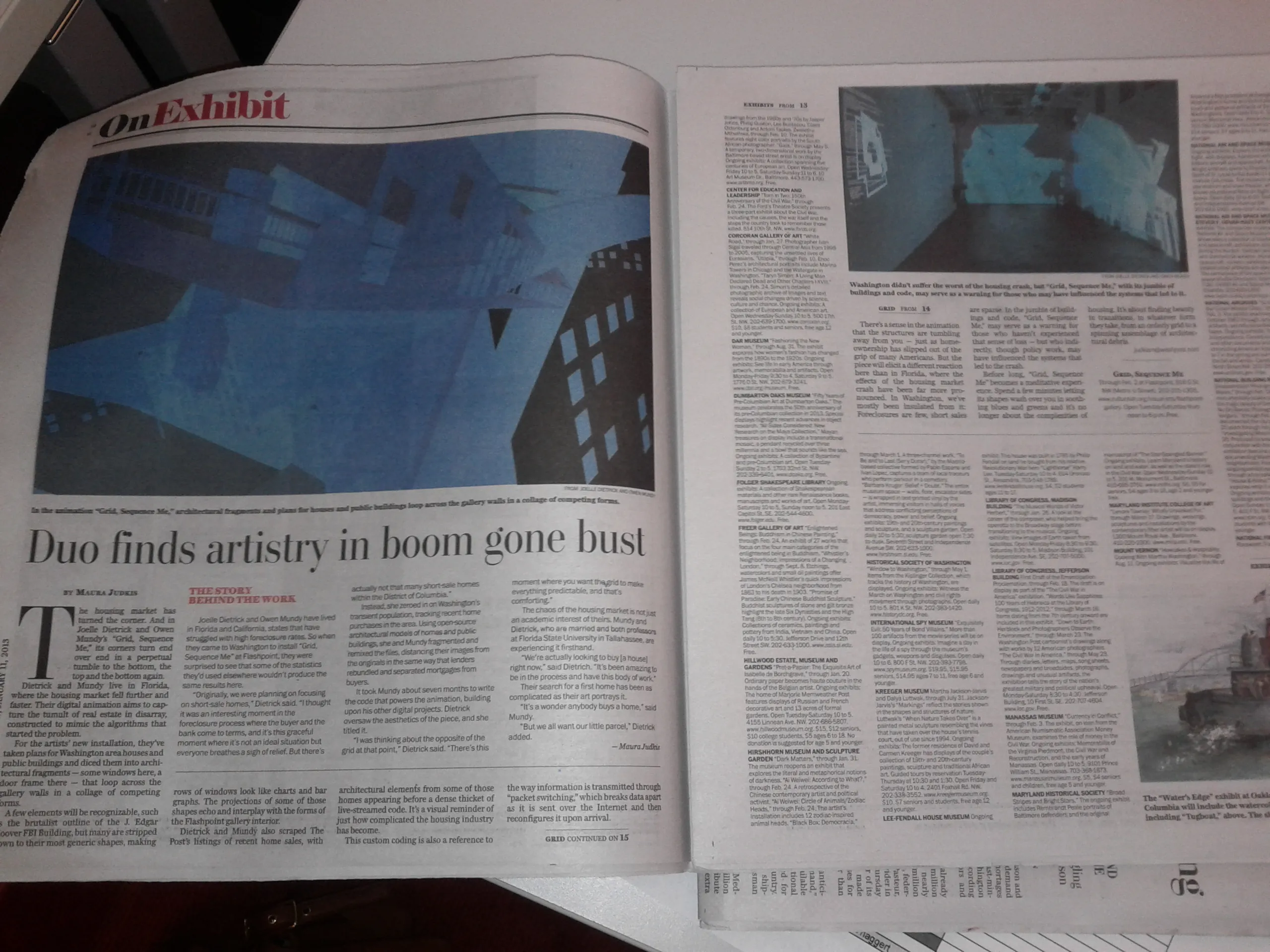
The Washington Post recently published a review recently about my and Joelle’s exhibition at Flashpoint Gallery in D.C. Check it out: Joelle Dietrick & Owen Mundy: Grid, Sequence Me, by Maura Judkis, Jan 11, 2013.

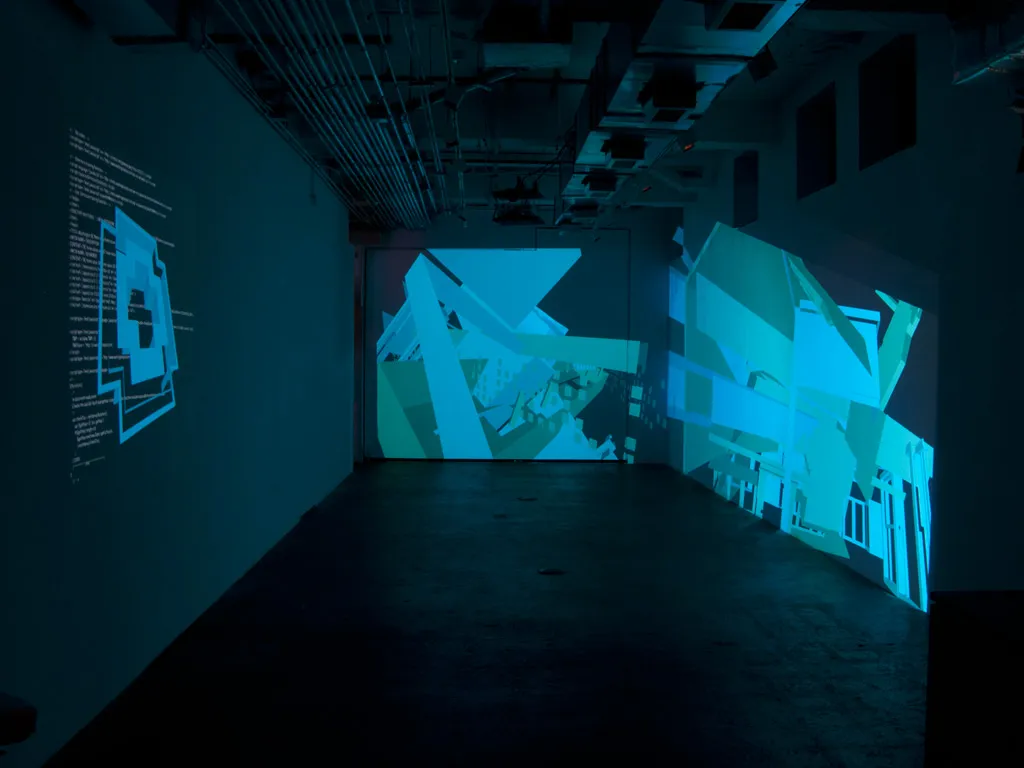
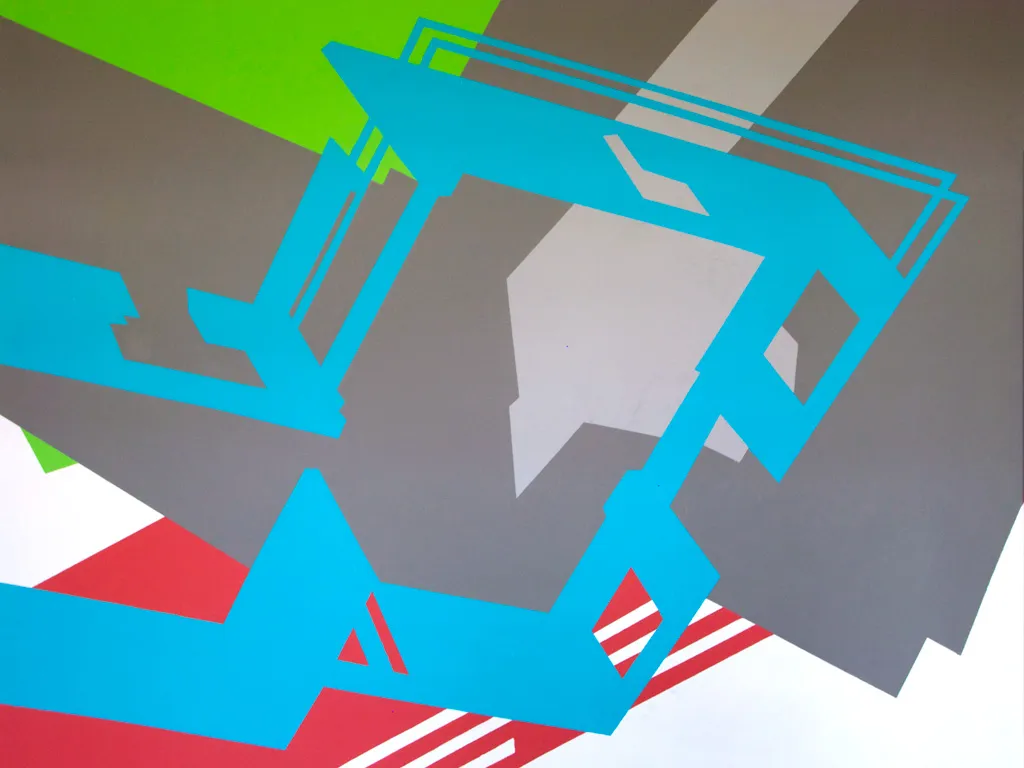
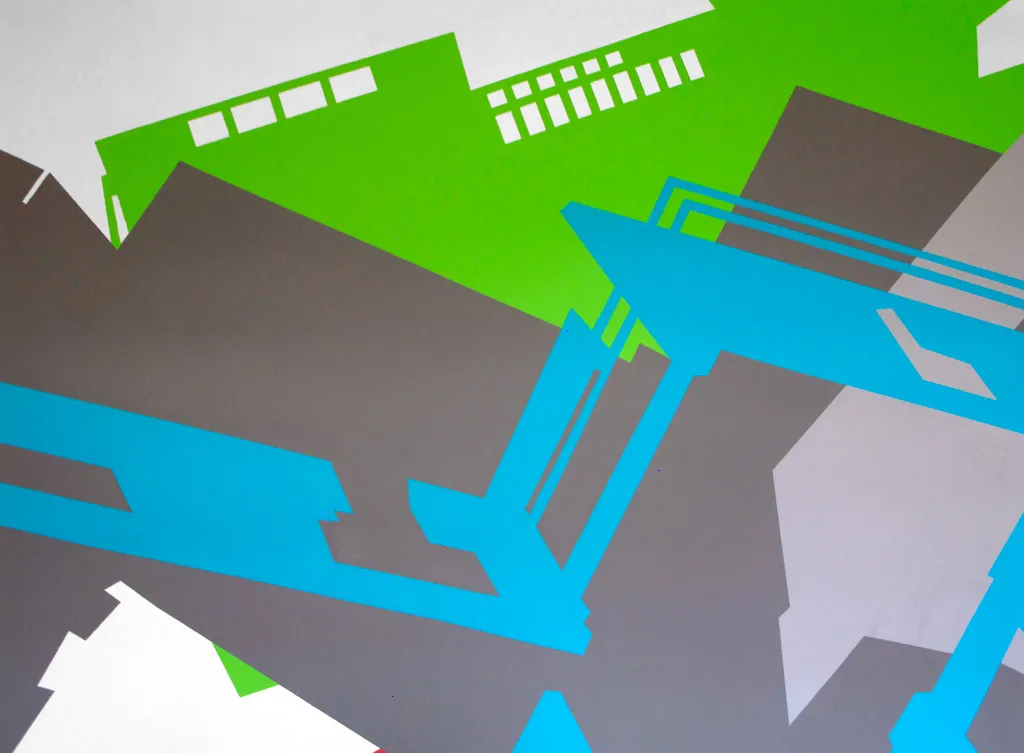
A few elements will be recognizable, such as the brutalist outline of the J. Edgar Hoover FBI Building, but many are stripped down to their most generic shapes, making rows of windows look like charts and bar graphs. The projections of some of those shapes echo and interplay with the forms of the Flashpoint gallery interior.

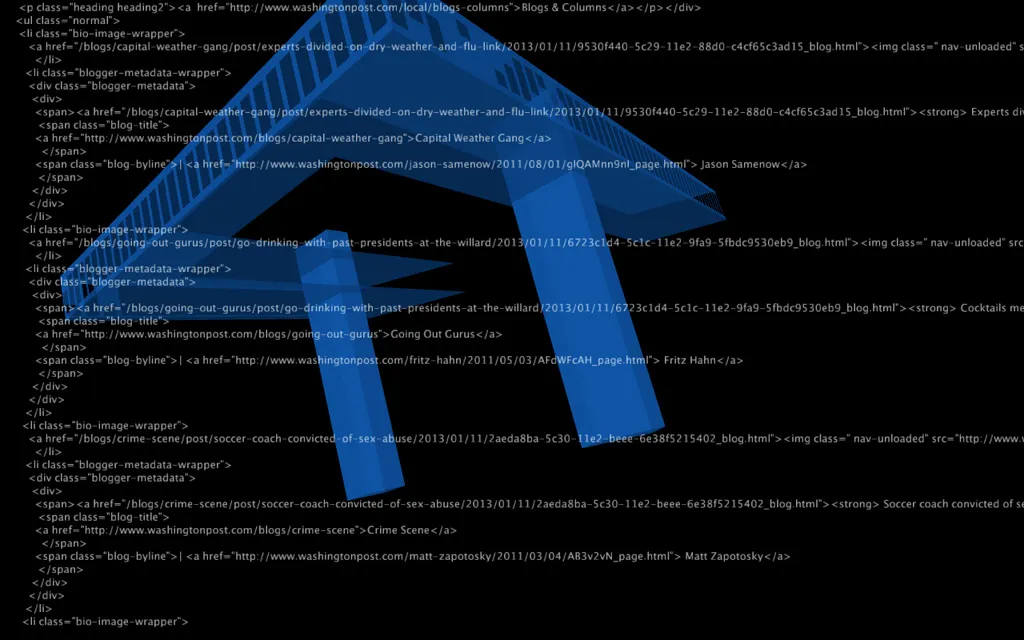
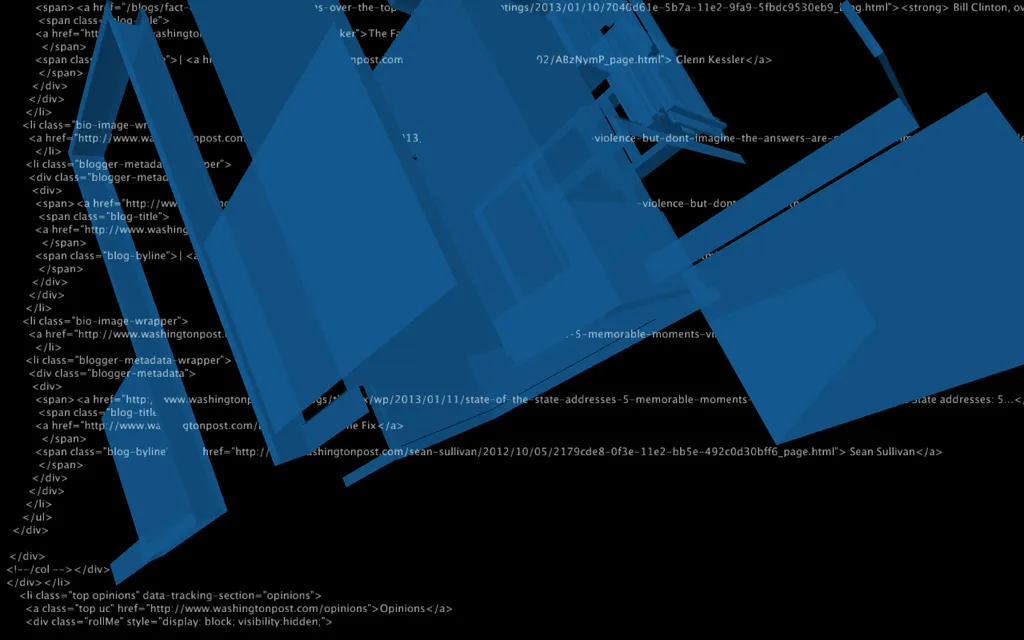
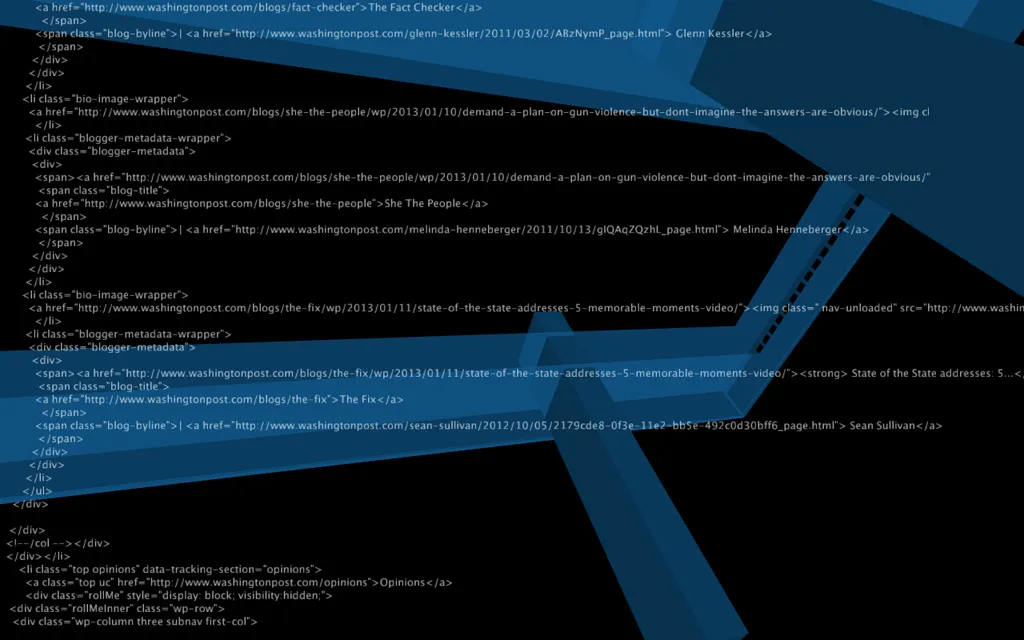
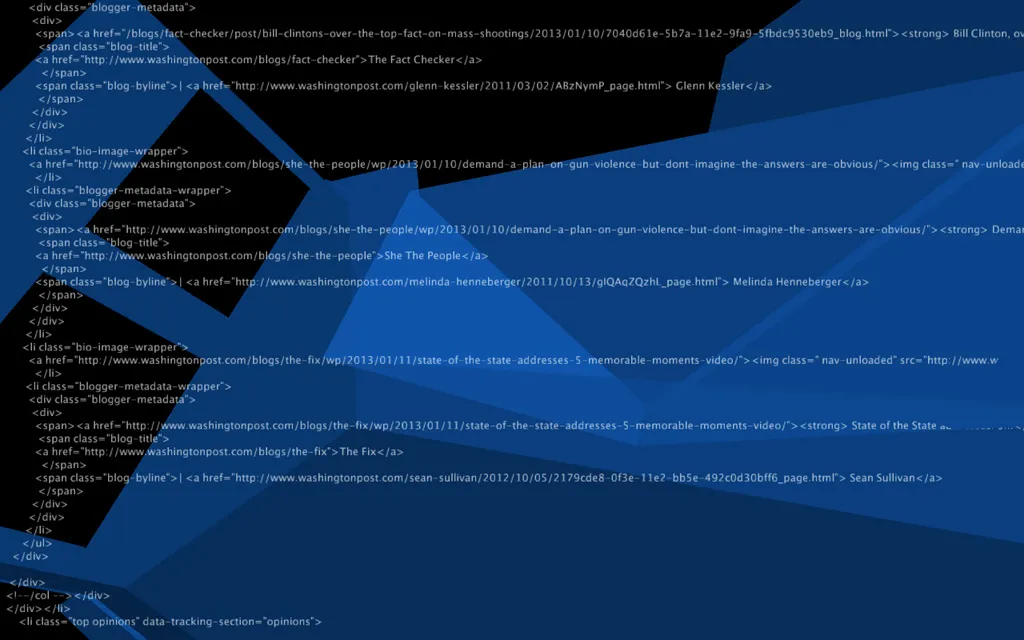
Dietrick and Mundy also scraped The Post’s listings of recent home sales, with architectural elements from some of those homes appearing before a dense thicket of live-streamed code. It’s a visual reminder of just how complicated the housing industry has become.

…

There’s a sense in the animation that the structures are tumbling away from you — just as homeownership has slipped out of the grip of many Americans. But the piece will elicit a different reaction here than in Florida, where the effects of the housing market crash have been far more pronounced. In Washington, we’ve mostly been insulated from it: Foreclosures are few, short sales are sparse. In the jumble of buildings and code, “Grid, Sequence Me,” may serve as a warning for those who haven’t experienced that sense of loss — but who indirectly, though policy work, may have influenced the systems that led to the crash.

I also finished a short piece with video from the installation and screen captures of the Processing visualization.

Grid, Sequence Me @ Flashpoint Gallery, Washington D.C.

2013_grid_11_1024w

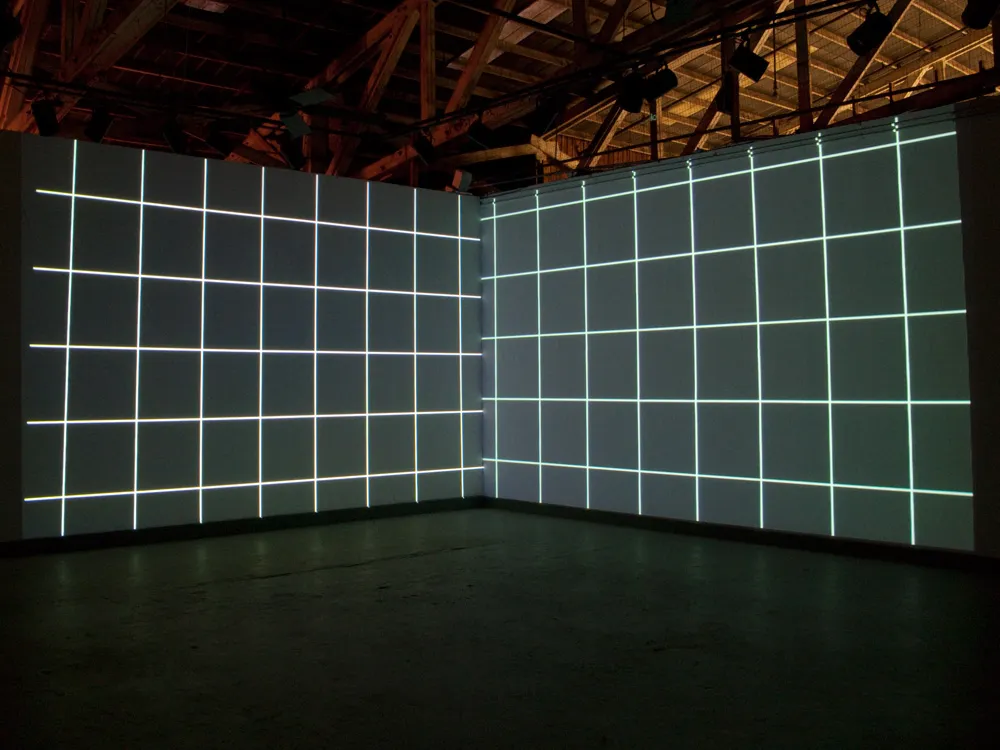
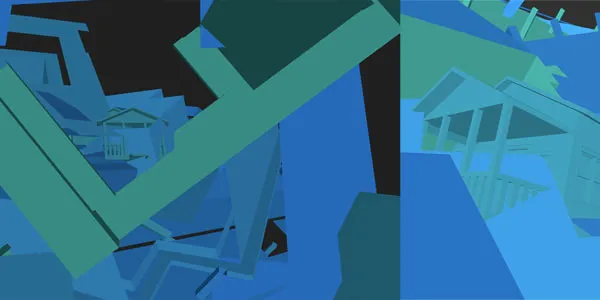
Surrounded by images of cross-sectioned buildings and source code excerpts, gallery visitors encounter fragments of Washington, DC architecture—a vaguely familiar roofline or grid of office windows—remixed with data and source code representing the latest housing sales in the area. Constantly changing, the live data streams into the gallery from both local sources (DC short sale listings) and national (federal policy sites), emphasizing the effects of related micro-macro shifts.

2013_grid_screen_10_1024w

2013_grid_screen_09_1024w

Generated with custom software, these fragments echo financial systems and housing market fluctuations. They mirror mortgages repackaged and sold, titles lost in administrative tape, and dreams confused by legal jargon. Like the complex financial systems of the housing market heyday, the software generates an infinite number of arrangements. The complexity of unique and dynamically-created algorithmic outcomes contrasts with the comforting predictability referenced in the exhibition’s title, “Grid, Sequence Me.”

—Joelle Dietrick and Owen Mundy

2013_grid_01_1024w

2013_sea_screen_23_1024w

2013_sea_screen_20_1024w

2013_sea_screen_13_1024w

2013_sea_screen_06_1024w

CulturalDC Presents: Joelle Dietrick & Owen Mundy: Grid, Sequence Me

e1354563477

CulturalDC Presents
Joelle Dietrick & Owen Mundy: Grid, Sequence Me

Flashpoint Gallery
916 G Street, NW, Washington, DC 20001
01.05.13 – 02.02.13
Opening: 01.05.13, SAT, 6 – 8pm

WASHINGTON, DC – Florida-based art team Joelle Dietrick and Owen Mundy will transform Flashpoint Gallery with an installation of projected animations called Grid, Sequence Me, opening on January 5. Surrounded by images of cross-sectioned buildings and source code excerpts, gallery visitors will encounter fragments of Washington, DC architecture—a vaguely familiar roofline or grid of office windows—remixed with phrases spidered from housing-related websites. Constantly changing, the data will be streamed live into the gallery from both local sources (DC short sale listings) and national (federal policy sites). The inclusion of both local and national data will emphasize the effects of related micro-macro shifts.

Generated by custom software designed by the artists, these fragments will echo the financial systems that led to recent housing market declines. They mirror mortgages repackaged and sold, titles lost in administrative tape, and dreams confused by legal jargon. Like the complex financial systems of the housing market heyday, the software is specifically written to generate an infinite number of arrangements. The complexity of constantly changing outcomes, never repeated, stands in stark contrast to the exhibition’s title, Grid, Sequence Me. We implement grids hoping for comforting, predictable results, even in areas of life—like living arrangements and job creation—that are filled with human folly.

The exhibition offers a space where a visitor can consider how automated, often unseen technological communications and economic systems affect our daily lives and basic human needs.

There will be an artist talk and preview on Saturday, January 5 at 5pm as a part of our membership program. Others are invited to join us. RSVP to gallery@culturaldc.org to attend the artist talk. The public reception will follow immediately after the talk from 6-8pm.

ABOUT THE ARTISTS

Joelle Dietrick’s paintings, drawings and animations explore contemporary nesting instincts and their manipulation by global economic systems. Her recent artworks and research consider housing trends that complicate relationships to place. Her work has been shown at Transitio_MX in Mexico City, TINA B Festival in Prague and Venice, Museum of Contemporary Art (MCA) Chicago, MCA San Diego, Long March Space Beijing, ARC Gallery Chicago, Soho20 New York and MPG Contemporary Boston. She has attended residencies at the Künstlerhaus Salzburg, Anderson Ranch, the Virginia Center for the Creative Arts, Banff Centre for the Arts and the School of the Visual Arts and received fellowships from the University of California, Florida State University and the Deutscher Akademischer Austausch Dienst (DAAD).

Owen Mundy is an artist, designer, and programmer who investigates public space and its relationship to data. His artwork highlights inconspicuous trends and offers tools to make hackers out of everyday users. His work has been shown at Transitio_MX in Mexico City, the California Center for the Arts in Escondido, CA, Compactspace in Los Angeles, Golden Thread Gallery in Belfast, the Sarai Media Lab in New Dehli, Bauer&Ewald Gallery in Berlin and APEXART, Flux Factory and Art Currents Gallery, in New York. He is the recipient of an Individual Artist Fellowship from the State of Indiana, a Planning Grant from Florida State University, a Center for Humanities Fellowship and San Diego Fellowship from University of California, San Diego and a DAAD Arts Study Fellowship. He has an MFA in Visual Art from the University of California, San Diego and is an Assistant Professor of Art at Florida State University.

ABOUT CULTURALDC’S VISUAL ARTS PROGRAM

CulturalDC operates Flashpoint Gallery and produces public art interventions throughout DC. We nurture talented emerging and mid-career artists by providing opportunities for peer learning and mentorship. At Flashpoint Gallery we showcase bold, new work from artists working in a variety of media including site-specific installations, performance pieces, new media and other experimental forms. As a nonprofit gallery free from the constraints of commercial expectations, Flashpoint provides artists and curators a unique opportunity to take creative risks. An advisory panel of noted artists and arts professionals makes programming recommendations for the gallery and provides mentorship and support to exhibiting artists.

Flashpoint Gallery is generously supported by Natalie and Paul Abrams and by DESHO Productions and The Washington Post Company. Hotel Helix is Flashpoint’s 2012-13 Hotel Partner. Marvin is CulturalDC’s 2012-13 Wine Partner.

Funding for CulturalDC is generously provided by The Morris & Gwendolyn Cafritz Foundation, DC Commission on the Arts & Humanities, The Community Foundation for the National Capital Region, The Kresge Foundation, the MARPAT Foundation, the Eugene & Agnes E. Meyer Foundation, the National Endowment for the Arts, Prince Charitable Trusts, The Share Fund of the Community Foundation for the National Capital Region and many other generous partners.

ABOUT FLASHPOINT

Flashpoint is a multi-disciplinary arts space. Flashpoint includes a contemporary art gallery, the 75-seat Mead Theatre Lab, the Coors Dance Studio and shared office space for arts organizations.

Joelle Dietrick & Owen Mundy: Grid, Sequence Me
Opening Reception: Saturday, January 5, 6-8pm
Exhibition: January 5 – February 2, 2013
Gallery Hours: Tuesday – Saturday, 12-6 pm or by appointment
For more information: Call 202.315.1310 or visit culturaldc.org

e1336766027

CulturalDC • 916 G Street, NW • Washington, DC 20001
General: 202.315.1305 Press: 202.315.1310 Fax: 202.315.1303
Email: karyn@culturaldc.org

Packet Switching project: ColladaFragmenter software, Kassel, Germany and University of Florida Public Commission

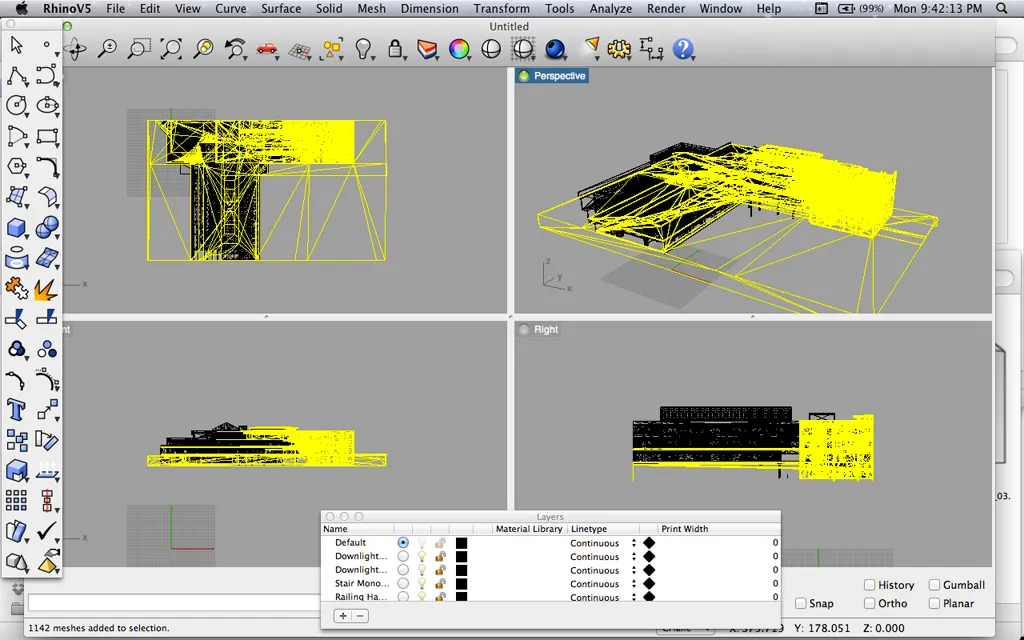
3d_model_in_Rhino_1024w

Joelle Dietrick and I embarked on a new body of work this summer called “Packet Switching.” Inspired by her Sherwin Series images and wall paintings, and my work deconstructing and re-visualizing source code and other data, we’ve created two new software projects, as well as a series of limited edition prints, large photo installations, wall-sized paintings, and animations.

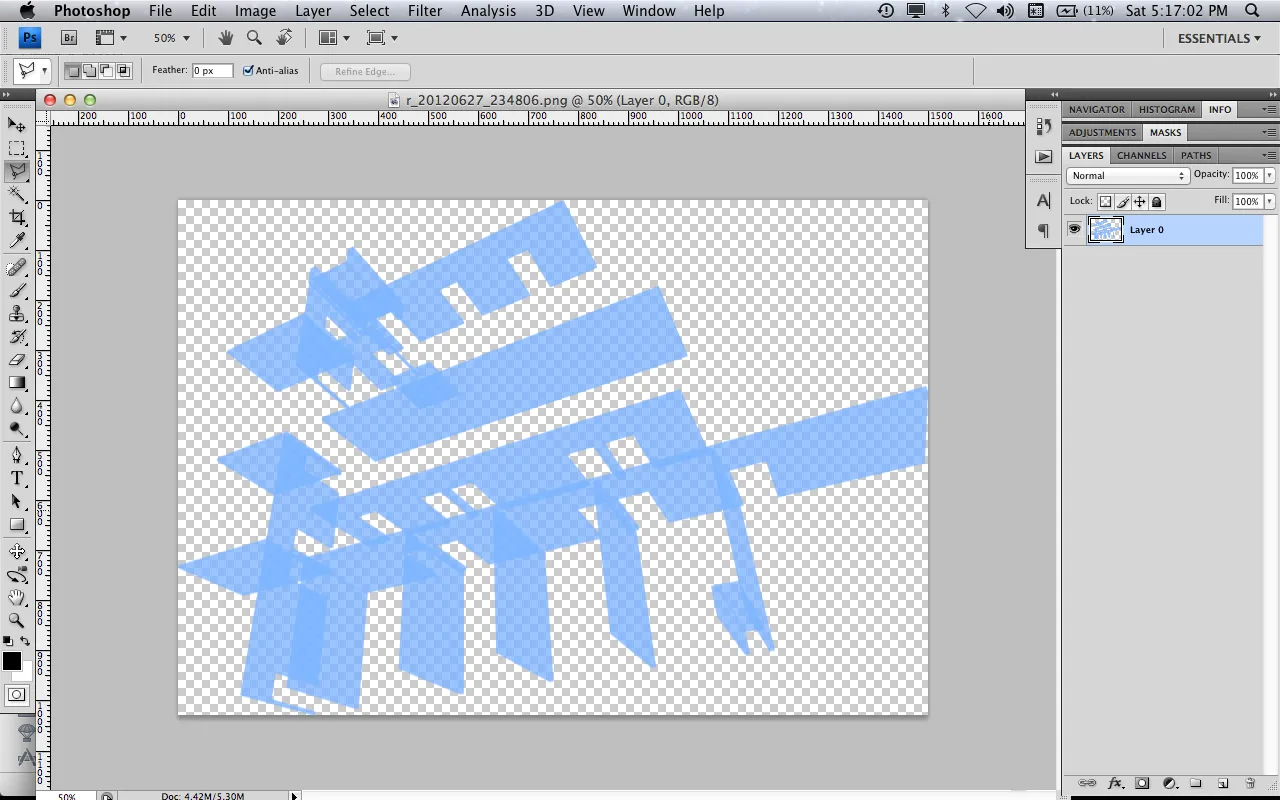
3d_model_in_pshop

The full statement explains our process and intent clearly:

Packet Switching is an ongoing body of work by Joelle Dietrick and Owen Mundy that visualizes architecture as fragments affected by economic and communications systems.

The title of the series references how contemporary communications systems break digital files into smaller manageable blocks of data called packets. Each packet is then sent through a network, taking the quickest route possible, and reassembled once they reach their destination. One JPG image, for example, might be broken into several packets, each of which may travel a different path through the net, even through different cities, before being recompiled into a copy of the original file.

To reference this common process used in networked systems, we wrote custom software that deconstructs a 3D model’s source code and produces unique fragments. We further remixed these fragments using an original application created in Processing. The resulting images become limited edition prints, large photo installations, wall-sized paintings, and animations.

Our process underscores how incidental fragmentation and automation can streamline markets, but also make them vulnerable to systems failure. The use of architecture specifically points to recent real estate market volatility and considers how communication technology-enabled pursuits of profit margins alters our most basic needs.

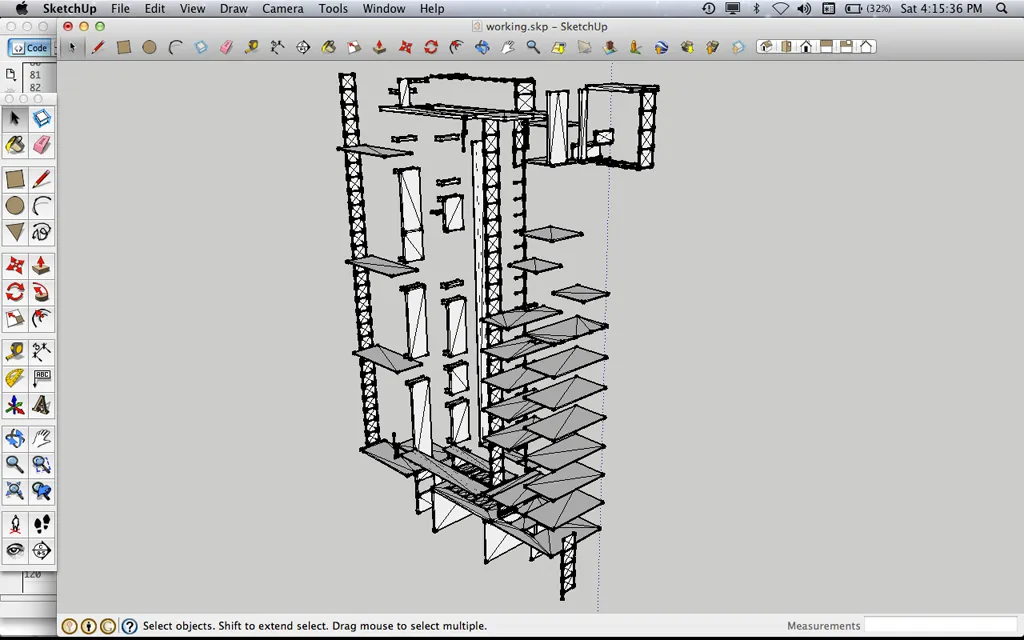
3d_model_in_sketchup_01_1024w

The first software, that “deconstructs a 3D model’s source code and produces unique fragments,” is open source and available on Github. Essentially, the PHP software, parses a 3D COLLADA file and exports a set number of geometries, that can then be further broken down and used in an artwork or design.

The second software, which we will release soon, remixes these fragments using Processing. The video below shows an example of the whole process.

Wall painting at “Temporary Home” in Kassel, Germany

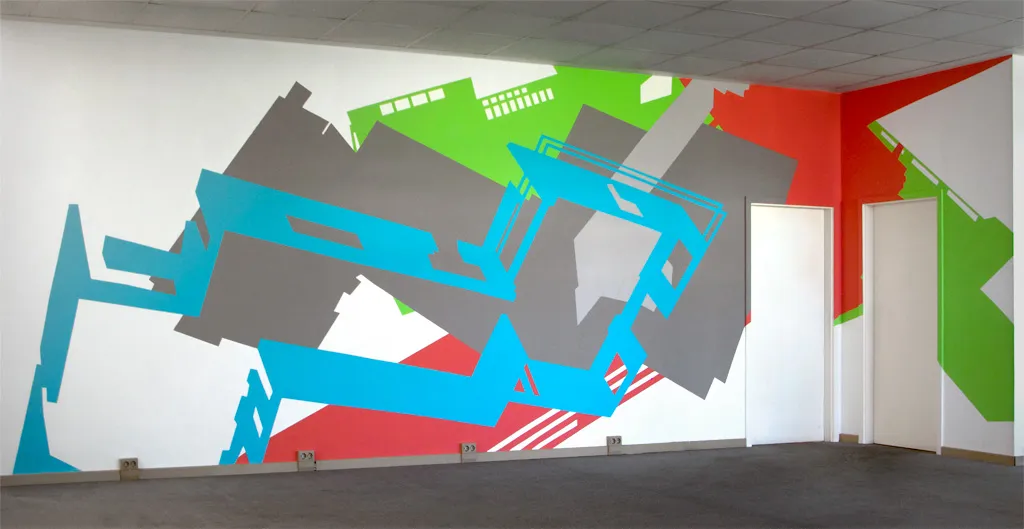
While artists-in-residence at Temporary Home, in Kassel, Germany, which coincided with Documenta13, Joelle Dietrick and I completed a wall-sized temporary painting based on the architecture from the Bauhaus School at Dessau and 2012 American color forecasts.

temphome_06_1024w

temphome_08_1024w

temphome_11_1024w

Commission at Weimer Hall at the University of Florida

Joelle and I have also received a commission to complete Packet Switching (Weimer Hall) at the University of Florida College of Journalism and Communications this fall. This will be inkjet on adhesive polyester on a large wall (approx. 177.5 ft. x 20.2 ft.). More details soon.

Drones at Home: Phase 1 – Gallery@Calit2

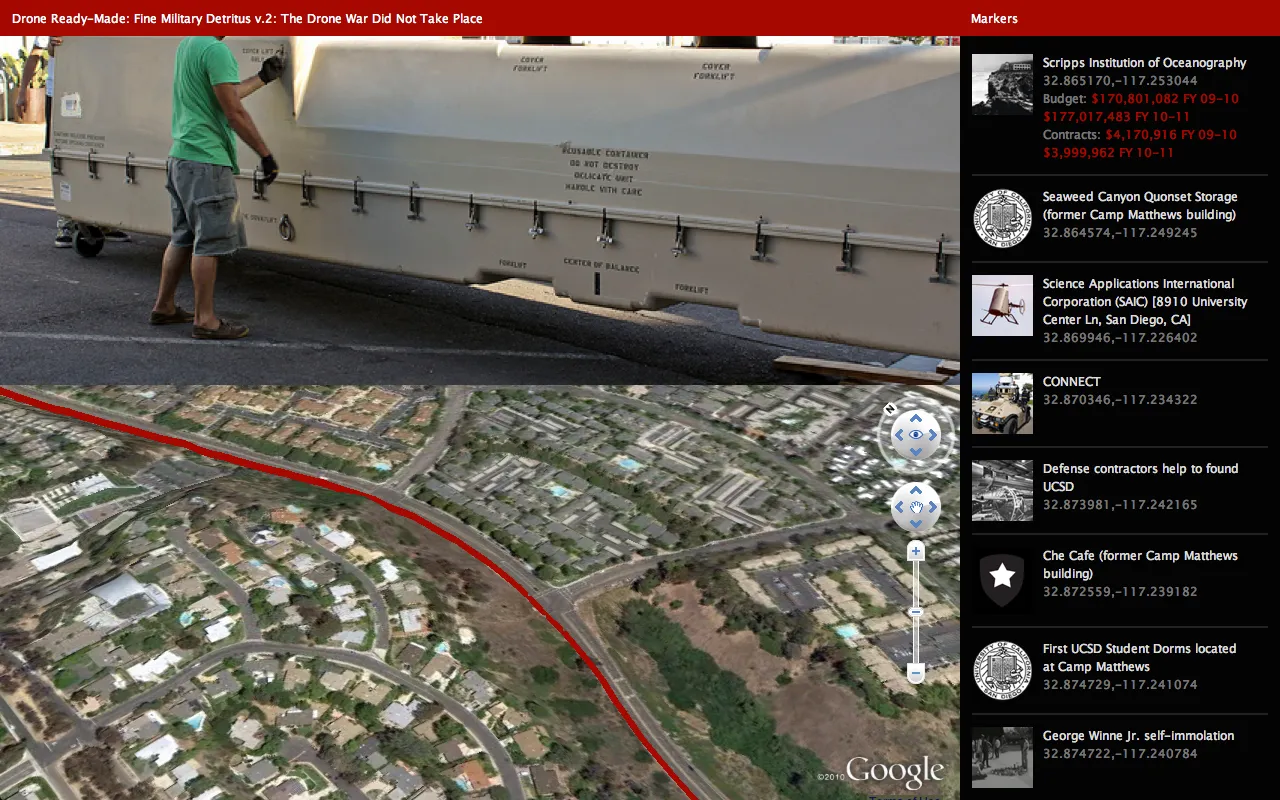
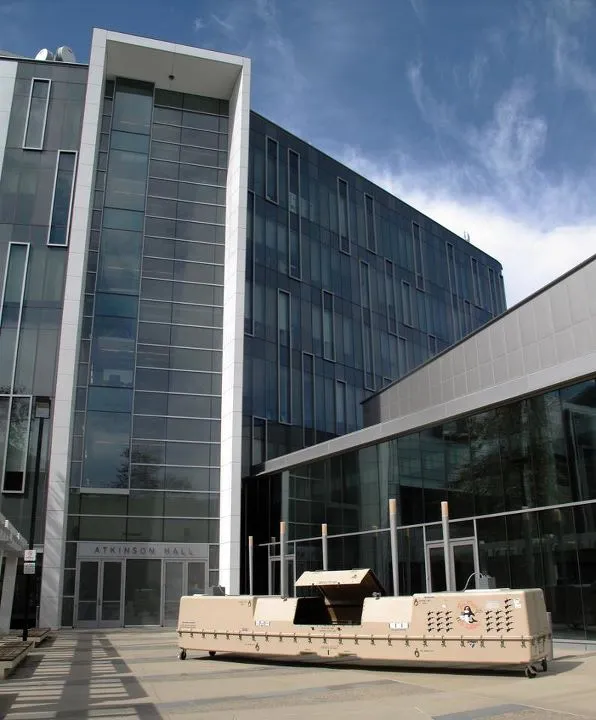
I’m collaborating with The Periscope Project (TPP) on version 2 of their “Drone Ready-Made: Fine Military Detritus” project in conjunction with the Drones at Home exhibition at Calit2 (see below). In the gallery and online, an interface I programmed, “The Drone War Did Not Take Place,” tracks a Predator drone shipping container, found on Craigslist and retrofitted by The Periscope Project as a camping apparatus, as TPP members guide it through the city of San Diego.
Drones at Home: Phase 1 – Gallery@Calit2

Their path will take them from UC San Diego, past various defense contractors and government agencies including The Space and Naval Warfare Systems Command (SPAWAR), to finally rest at TPP’s downtown location. By (re)mapping data from my Camp La Jolla Military Park project, the tracking interface reveals the connections between the physicality of TPP’s laborious gesture, and the economic and political ties between the object they push and the sites and corporations where everyone employed is implicated in the destructive impact of a permanent arms economy.

The interface will be made public during the upcoming three-day performance by The Periscope Project. It will display their location in real-time, along with images from their journey, and a twitter feed displaying news and unfiltered dialog (hashtag: #dronebox) as they treck through “the largest concentration of military facilities and defense industries in the world.”(1)

1. “San Diego Military Economic Impact Study,” San Diego Regional Chamber of Commerce, January 2007, http://www.sddt.com/files/2007_Military_Economic_Impact_Study.pdf
DronesPosterFrV5

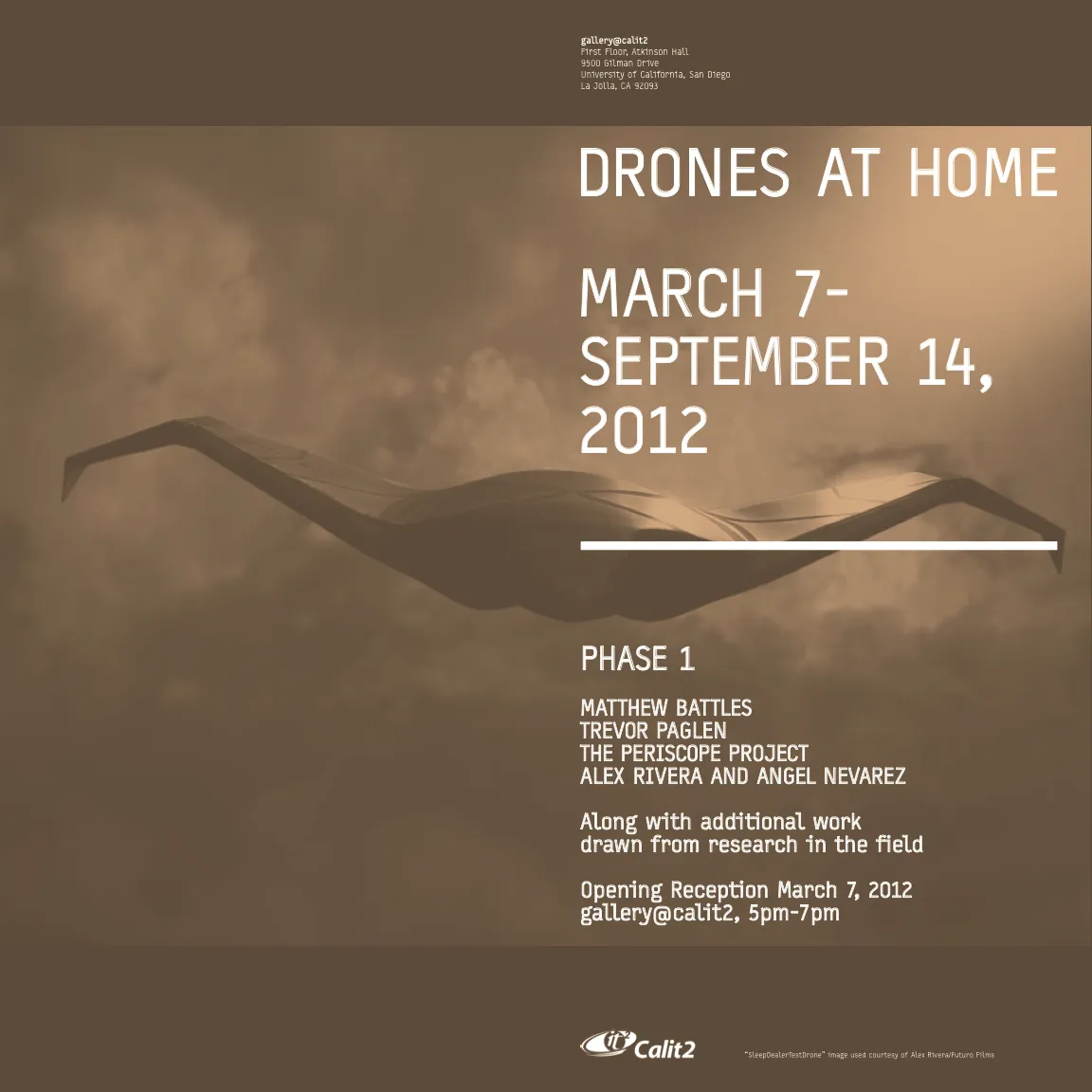
Drones at Home
March 7–September 14, 2012

Drones at Home explores the strange allure of drones and the push for their domestication —by governments, corporations, and everyday citizens.

Phase 1
Opening Reception March 7, 2012 gallery@calit2, 5pm-7pm

Phase 2
Symposium May 11 & 12, 2012 Calit2 Auditorium, 9am-8pm

Phase 3
Opening Reception June 6, 2012 gallery@calit2, 5pm-7pm
Closing Reception September 14, 2012 gallery@calit2, 5pm-7pm

“Home” is understood at multiple scales-at the level of the individual, backyard, community, border region, and homeland. The San Diego region is featured prominently and regional issues are explored as exemplars of global phenomena. The exhibition also departs from any strict interpretation of the form that a drone must take; the project expands on the “unmanned” nature of the drone as symbolic of a larger condition–ecologies where the status of the human is called into question, distributed and embedded in a wider field of shared intelligence.

Drones at Home will be presented in three phases. Phase 1 includes an exhibition; Phase 2 consists of panels and a workshop; and Phase 3, which continues through the summer, will include the creation of new drone projects in collaboration with invited artists and research groups at Calit2. Co-curated by Sheldon Brown, Jordan Crandall, and Ricardo Dominguez, this first phase will feature the work of Matthew Battles, Trevor Paglen, The Periscope Project, Alex Rivera and Angel Nevarez, along with additional work drawn from research in the field.

Matthew Battles is a poet, writer, and co-founder of HiLobrow.com. His forthcoming books include Letter by Letter (W. W. Norton), a sentimental and natural history of writing, and a short story collection, The Sovereignties of Invention (Red Lemonade). He is a research fellow with metaLAB, an academic and creative collaborative devoted to the exploration of technology in the arts and humanities, hosted by Harvard University’s Berkman Center for Internet and Society.

Alex Rivera is a New York based digital media artist and filmmaker. His first feature film, SLEEP DEALER premiered at Sundance 2008, and won two awards, including the Waldo Salt Screenwriting Award. Rivera is a Sundance Fellow and a Rockefeller Fellow. His work, which addresses concerns of the Latino community through a language of humor, satire, and metaphor, has also been screened at The Berlin International Film Festival, New Directors/New Films, The Guggenheim Museum, PBS, Telluride, and other international venues.

Angel Nevarez is an artist, musician, and DJ. He has produced works which investigate contemporary music, dissent, and public fora, and move between the spatial simultaneity of performance and enunciation, reflecting upon the projection of political agency through transmission and song. His interests lie in the formation of mobile, performative, and discursive-based social spaces, along with the re-articulation of communicatory systems within such locales. Nevarez is also a faculty member of MIT’s Art, Culture, and Technology Program.

Trevor Paglen’s work deliberately blurs lines between science, contemporary art, journalism, and other disciplines to construct unfamiliar, yet meticulously researched ways to see and interpret the world around us. Paglen’s visual work has been exhibited at the Metropolitan Museum of Art, New York; The Tate Modern, London; The Walker Arts Center, Minneapolis; The Andy Warhol Museum, Pittsburgh; Institute for Contemporary Art, Philadelphia; The San Francisco Museum of Modern Art; Massachusetts Museum of Contemporary Art, North Adams; the 2008 Taipei Biennial; the Istanbul Biennial 2009, and numerous other solo and group exhibitions.

The Periscope Project is a space and co-operative based in downtown San Diego committed to the transdisciplinary nexus of art, architecture, and regional urban issues. Operating by the efforts of its resident practitioners; Drone Readymade represents the first discreet project (outside of The Periscope Project itself) undertaken collaboratively. The project’s primary authors are James Enos (M.Arch, NSAD, MFA UCSD, Visiting Assistant Professor, FSU), Molly Enos (M.Arch NSAD, AIA), Charles G. Miller (MFA UCSD), Keith Muller, Andrea Ngan, David Kim, Jon Barth, Jason Durr and Jay Ojeda; with key contributions from Jon Zuppan. For Drones at Home, The Periscope Project is collaborating with Owen Mundy (MFA UCSD, Assistant Professor FSU).

All gallery events are FREE and open to the public.
Please RSVP to Trish Stone, Gallery Coordinator, tstone@ucsd.edu
Media Contact: Tiffany Fox, tfox@ucsd.edu

419415_404788232871062_112784495404772_1796059_516778046_n

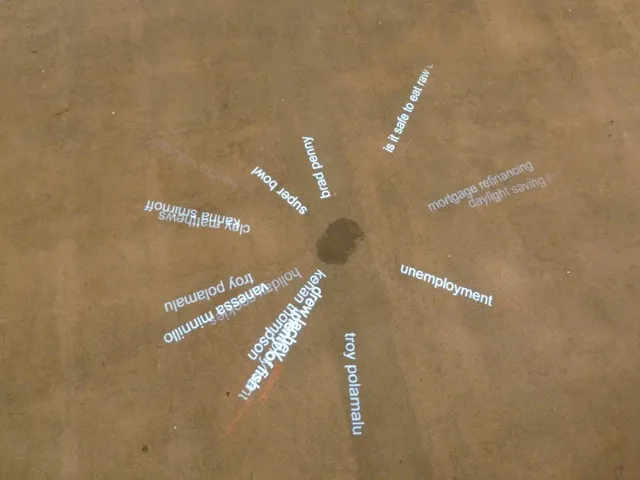
“Google” one-week performance at Transmediale

logo3w

I am tele-participating in a one-week online performance of Google queries at Transmediale 2012 in Berlin. The project, plainly titled, “Google,” is organized by Johannes P. Osterhoff and will run from Jan 30 to Feb 5, 2012. Each participant edits the search method for their browser search bar so that everything they type in this box, from the personal to the mundane, becomes instantly visible at google-performance.org.

The project (“manifesto” below) makes public what Facebook, Google, and any online search engine, crowdsourcing website, or social network already does by harvesting searches from users, and re-representing that data in a new context. While Google uses these queries to build and sell condensed user demographic data to advertisers, Osterhoff’s project asks, who actually owns your search data?

We shall do an one-week performance piece.

The piece is called “Google” and documents all searches we perform withthe search engine of the same name.

The performance shall take place during transmediale 2012 and shall start on Monday, January 30 and shall end on Sunday, February 5, 2012.

We shall not use undocumented ways to use the search engine Google during this time.

Each of our search queries shall create a web page that is indexed by this search engine and thus makes our searches publicly available as search results for everybody.

A Single Composite [vert]

Finally finding time to edit documentation from A Single Composite exhibition this summer in Berlin.

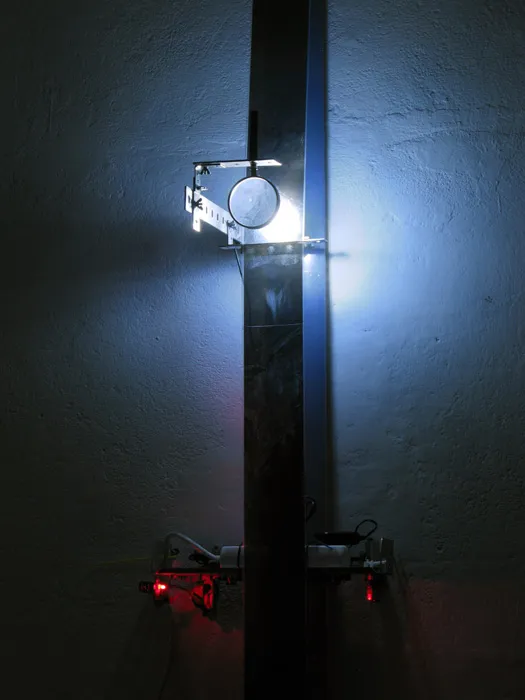
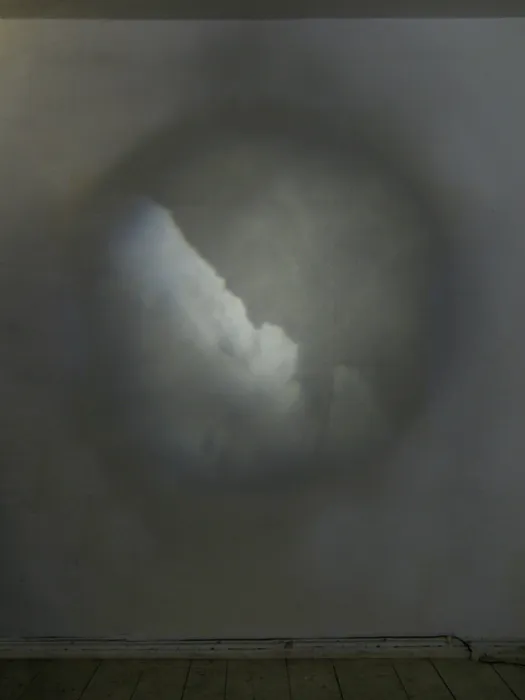
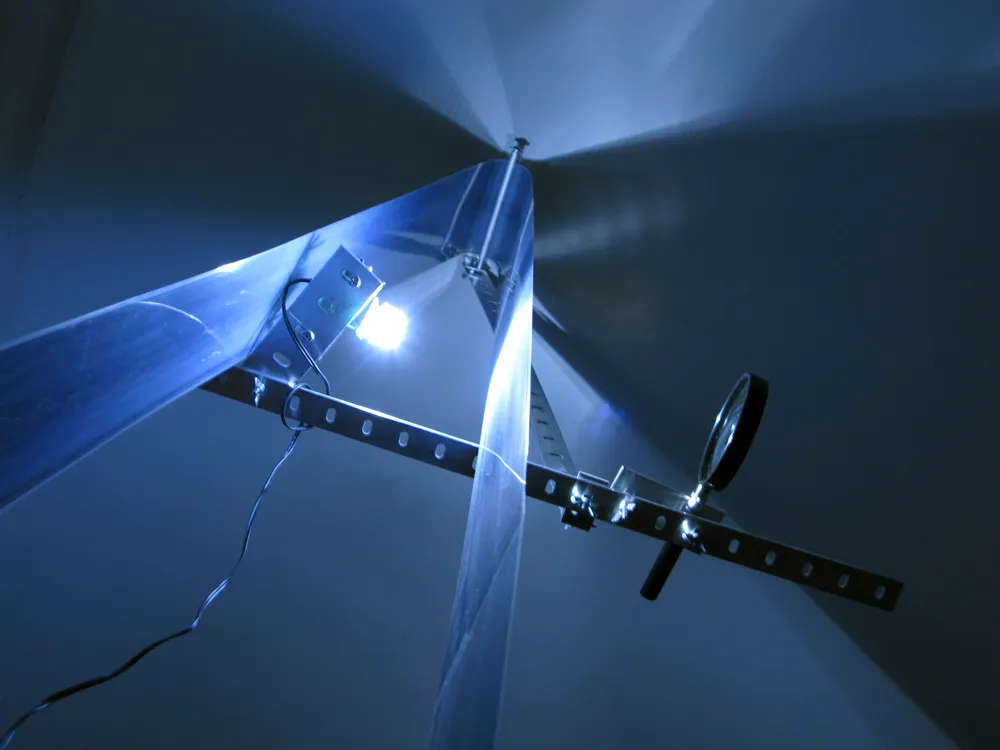
A Single Composite is a series of kinetic installations and projection apparatuses that stretch, twist, and loop film strips containing declassified and other found reconnaissance footage. Using reconstituted digital printer chassis, this cinematic enterprise is projected on walls, ceilings, and floors, to form a series of individual moments of surveillance and implied violence.

Keine Z E I T / No TIME

Through A Glass Darkly will be included in an international exhibition next month in Berlin, Germany.

darkly_still_jarhead_800w

Keine Z E I T / No TIME
Time phenomena. Phenomena of time.

The fourth international, interdisciplinary and topic centered exhibition of G.A.S-station.

48 Positiones out of science, art and literature.

Erik Andersen (Ger), video – Ewelina Aleksandrowicz, Andrzej Wojtas (UK), video – Elisa Asenbaum (A), video/installation – Thomas Bedürftig (Ger), science – Axel H. Bertram (Ger), video – Hubert Blanz (Ger), video – Thomas Born (Ger), fine art – Udo R. Bruening (Ger), performance – Amandine Crozat (FR), fotografie – Franz Embacher (A), science – Oliver Feigl (Ger), video – Volker Frechen (Ger), audio installation – Peter Funken (Ger), publicist – Bruno Goosse (BE), video – John Greiner (US), literature – Stephan Groß (Ger), video – Marion Habringer, E. Asenbaum (A), installation – Heiko Hecht (Ger), science – Anna Elisa Heine (Ger), literature, lecture – Batya Horn, Edition Splitter (A), literature – Helen Acosta Iglesias (ES), installation, – IMAGO e.V., Anne-Katrein Maschke, Ina Krauß (Ger), fashion, performance – Britta M. Ischka (A), video – Grace Kim (US), video – Ina Krauß (Ger), audio-collage – Renate Krätschmer, Elli Schnitzer (A), installation – Till Kreutzer (Ger), science – Verena Kuni (Ger), webproject, lecture – Anna Maria Kursawe (Ger), painting – Team K.U.SCH. (A), video – Wolfgang Marktl (A), science – Owen Mundy (US), video – Wolfgang Neipl (A), video – Julia Nuss (Ger), fine art – Jerzy Olek (PL), fine art, video – Herbert Pietschmann (A), science – Arnold Reinthaler (A), fine art – Hartmut Rosa (Ger), science – Miriam Schwedt (Ger), fotografie – Christiane Spatt (A), fotoinstallation – Renée Stieger (A), installation – Ralf Tekaat (Ger), drawing – Guichard Thibaud (FR), performance – Tomax (A), installation – Mirko Tzotschew (Ger), fotografie – Burchard Vossmann (Ger), fine art – Gisela Weimann (Ger), literature, reading – Peter Whittenberger (US), video

Vernissage: October 7th 2011 – 7 pm
Exhibition: October 8th 2011 until Februar 4th 2012

+++

Berlin: Thomas STUCK, Fon: 030 221 609 312 Mov: 0160 995 78 158
mail: info@2gas-station.net

Vienna: Elisa ASENBAUM, Fon: 0043 1 533 56 77
mail: elisa@2gas-station.net

A Single Composite, closing June 23

Here are some photos from my exhibition at Bauer&Ewald in Neuköln-Berlin. There will be a closing party this Thursday, June 23 at 7:00 pm.

Bauer&Ewald
Lenaustraße 20
12047 Neukölln-Berlin
u8 schönleinstraße, u7/u8 hermannplatz

asc_be_vert_33_comp_700w

asc_be_vert_23_comp_700h

asc_be_vert_proj_comp_31_700h

asc_be_curv_18_1000w

A Single Composite, May 7–June 24, Bauer&Ewald, Berlin

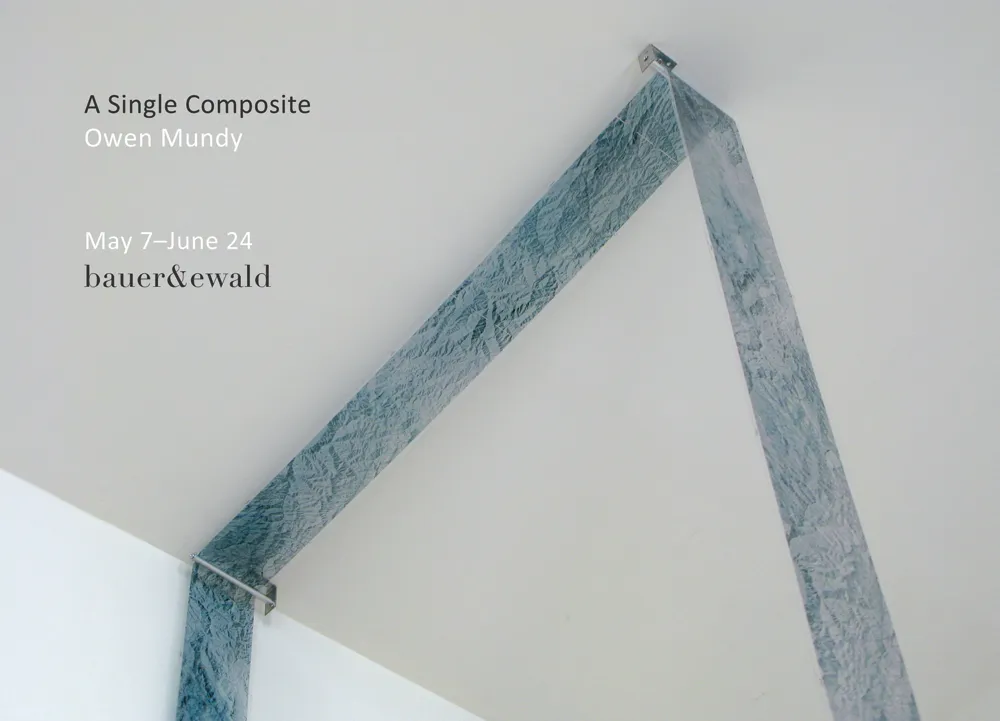
This week I am installing an ambitious new project in a quaint and friendly space called bauer&ewald located in Kreuzberg / Neuköln (Berlin) opening on May 7 until the end of June. There will be a party on the evening of the opening day. Please come if you are in town.
You can see a video of a small study online here and here.
postcard_a6_front_1000w

postcard_a6_back_1000w

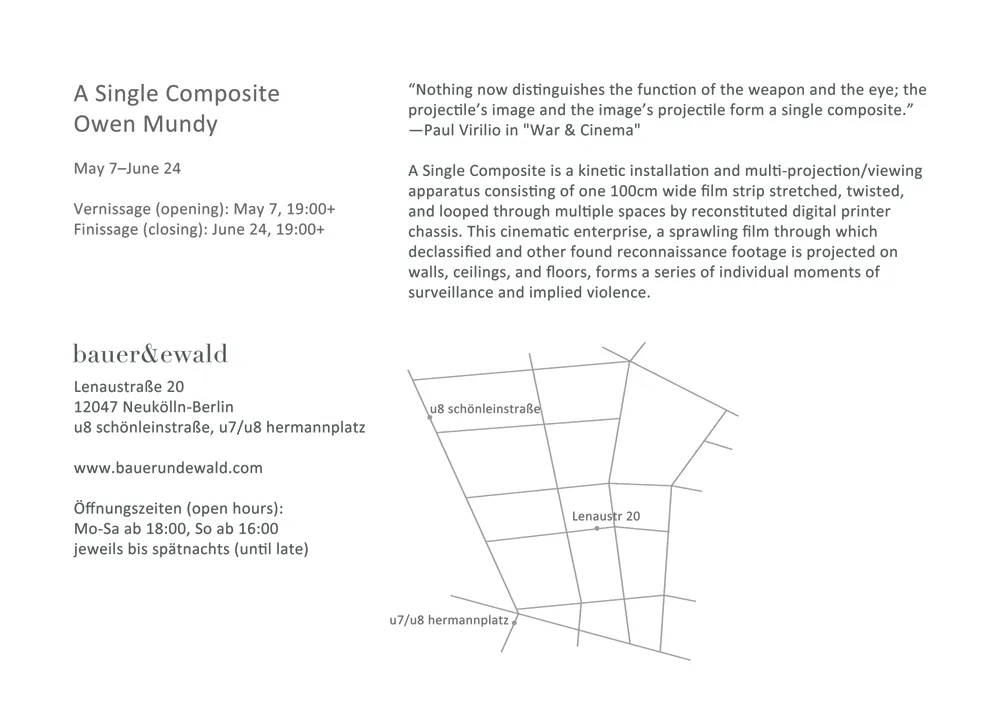
A Single Composite
Owen Mundy

May 7–June 24

Vernissage (opening): May 7, 19:00+
Finissage (closing): June 23, 19:00+

“Nothing now distinguishes the function of the weapon and the eye; the projectile’s image and the image’s projectile form a single composite.”
—Paul Virilio in “War & Cinema”

A Single Composite is a kinetic installation and multi-projection/viewing apparatus consisting of one 100cm wide film strip stretched, twisted, and looped through multiple spaces by reconstituted digital printer chassis. This cinematic enterprise, a sprawling film through which declassified and other found reconnaissance footage is projected on walls, ceilings, and floors, forms a series of individual moments of surveillance and implied violence.

Bauer&Ewald
Lenaustraße 20
12047 Neukölln-Berlin
u8 schönleinstraße, u7/u8 hermannplatz

http://bauerundewald.com

Öffnungszeiten (open hours):
Mo-Sa ab 18:00, So ab 16:00
jeweils bis spätnachts (until late)

Through A Glass Darkly: Epilogue

I am premiering this “Epilogue” for Through A Glass Darkly today in New York at Flux Factory.

Here is an excerpt from the script:

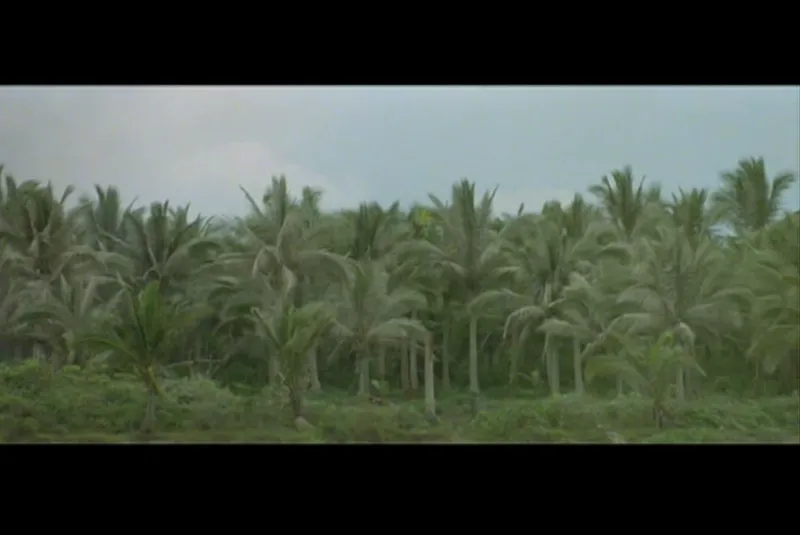
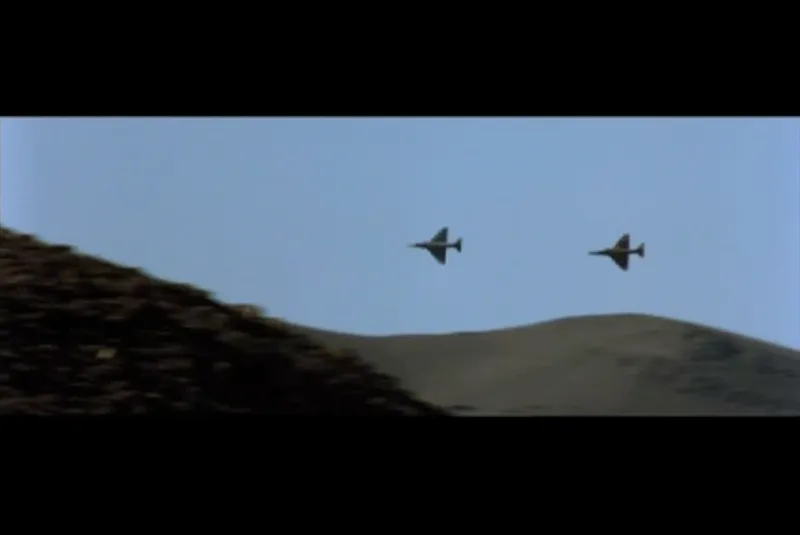
“In my short film, Through A Glass Darkly, I steer the focus away from the narrative, away from the explosions and violence, away from the masculine overload, and towards the serene landscapes where hollywood produces its fictional wars.

Through A Glass Darkly is a remix of landscapes from popular films that depict conflict. The chronological compilation relies on the influence of cinema to access a collective memory of images of war. While peaceful, they are frightening moments in their original context, used to contrast tranquility with chaos, beauty with destruction, and property with the actions that attempt its acquisition. Seen in this form, they remind the viewer that war is violent and chaotic while questioning the idea that conflict is a means to an harmonious end.”

Geographical and Social Landscapes of Conflict, Both Real and Perceived @ Flux Factory, Thursday April 14

If you are in New York this week go see this screening and exhibition curated by Elizabeth Larison at Flux Factory (in Long Island City near PS1). In addition to screening Through A Glass Darkly I will also be premiering a special Epilogue to accompany the film.

Geographical and Social Landscapes of Conflict, Both Real and Perceived:
A Special Flux Thursday

Thursday, April 14
8 pm +

Join us for Flux Thursday, our monthly potluck and salon. Dinner starts at 8, with presentations to follow. As part of The Typhoon Continues and So Do You, we are happy to present Geographical and Social Landscapes of Conflict, Both Real and Perceived, a pair of videos curated by Elizabeth Larison. Through a Glass Darkly, a short film by Owen Mundy, brings together over one hundred of the most popular war films edited into a chronologically correct survey of landscapes of conflict, at least according to Hollywood. Untitled part 2: beauty and the east, a documentary by Jayce Salloum, addresses issues of nationalism and the nation state, alienation, ethno-facism, polarities of time – among others – as described in a series of interviews with individuals from former Yugoslavia.

darkly_still_apocalypse_800w

Owen Mundy, Through a Glass Darkly, 2011

DATAPOLIS Art | Science | Tech Biennale

Give Me My Data will be included in the upcoming exhibition curated by Pavel Sedlák at DATAPOLIS Art | Science | Tech Biennale in Prague.

enterwebnew

DATAPOLIS
Exhibition of the 5th International Art | Science | Technology Biennale Prague ENTER

DATAPOLIS is a one evening and three days of full-size experiment in art and technology. The exhibition addresses interactions of media technologies, novel visualization practices and urban realities. Exhibiting artists from all over the world discover moods and rhythms of our cities, bodies and planet. They innovatively mash both visible and invisible data that re-present individual and collective lives and actions. Keywords: data, city, communities, mapping, social, geographical, economical, political, sentient, ambient, mobile, ubiquitous, embedded intelligence, architecture, fashion, quantified selves, body & environment monitoring, robotic systems, trash, transport, pollution, open innovation & design.

Exhibition Opening: Thursday, April 14, 2011, 18:00
Exhibition dates: April 15 – April 17, 2011 (Limited version of the exhibition will run until Sunday, April 24, 2011)
Location: National Technical Library (NTK)
Address: Technická 6,160 80 Praha 6 – Dejvice, http://www.techlib.cz/

Curatorr: Pavel Sedlák (CZ)
Co-curator: Andrej Boleslavský (SK/CZ)

ENTER website: http://festival-enter.cz/

Artists in the exhibition:

Alessandro Ludovico, Paolo Cirio (IT): Face to Facebook
Mark Shepard (USA): Sentient City Survival Kit
Mark Shepard (USA): Serendipitor
Varvara Guljajeva (EST) & Mar Canet(ES): The Rhythm Of The City
James George(US), Alexander Porter(US): DepthEditorDebug
Eric Conrad (USA): Palbable City
Eric Conrad (USA): Bark Rubbings
Teresa Almeida (PT/SG): Modes for Urban Moods: Space Dress
Jenny Chowdhury (USA): 802.11 Apparel – Wifi Jacket
MIT SENSEable City Lab (USA): Trash Track
Secret Cooks Club (SG): FoodMatch
Dušan Barok (SK/NL): FaceLeaks
Owen Mundy (USA/DE): Give Me My Data
Jaro Dufek (CZ): Reality Ends Here
Aram Bartholl (DE) & Ivan Floreš (CZ): Dead Drops
Niki Passath (AT): Zoe
Dardex Mort2Faim (FR): Machine 2 Fish
Saša Spačal (SLO): 7K: New Life Form
Marie Polakova (CZ) & Jonathan Cremieux (FI/FR): Mimodek
Scott Hessels (USA/HK) & Gabriel Dunne (USA): Celestial Mechanics
Pedro Cruz (PT): The Morphing City

Cross-Disciplinary Productions

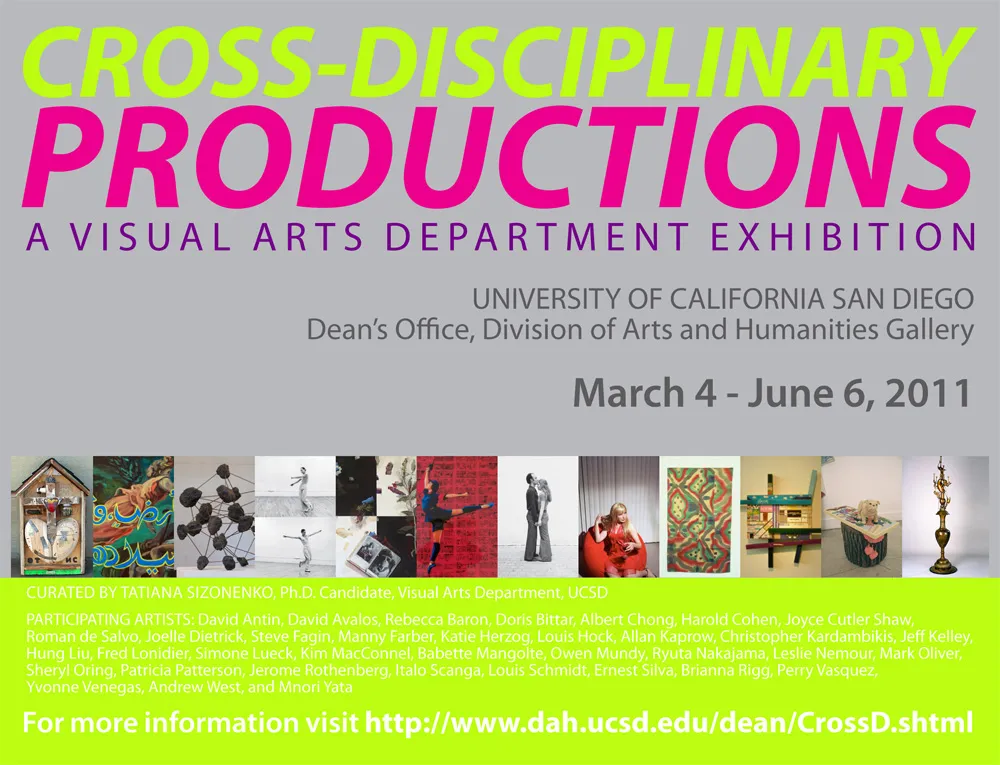
Cross_Disciplinary_Productions_poster

In recognition of the 50th anniversary of the founding of UCSD, the Division of Arts and Humanities is hosting an exhibition celebrating the artistic identity of the Visual Arts Department, running from March 4 through June 6, 2011. Cross-Disciplinary Productions is curated by Tatiana Sizonenko, a PhD Candidate in Art History. The exhibition will present a survey of works by its founding and long-term faculty, most distinguished alumni, and current MFA students.

The Visual Arts Department was founded on the principle that art production, art theory and criticism, and art history are inter-related practices which together constitute the world or culture of art. This exhibition investigates the various ways that the department’s distinctive commitment to the theoretical framework of art was put into practice and whether this shared philosophy about the theoretical framework of art constitutes a tradition in the contemporary world.

brochure_poster_1000w

Cross-Disciplinary Productions explores the dynamic interaction between art and society through the distinctive philosophy of the UCSD MFA program. This exhibition is the second in the series for the current academic year focusing on the identity
of Visual Arts Department. The first exhibition mounted in the Fall “The San Diego Effect” centered on the identity of place through works by MFA students at UCSD and San Diego State University that engaged with greater San Diego as a locale. The upcoming exhibition tracks the department’s identity through time as it is revealed by the personal stories and careers of graduated artists.

The exhibition pre-view reception includes a lecture and conversation with artist / critic / theorist Allan Sekula (UCSD/MFA 1974) and historian / critic / curator Moira Roth (Professor at UCSD 1974-85) who will discuss the history of UCSD MFA program and their own work. The pre-opening is scheduled for March 4, 2011 at 2pm in the Visual Arts Facility, performance space. Following the talk there will be an exhibition preview viewing with the curator on March 4 at 4pm in the Literature Building.

The exhibition opens to full viewing on March 11, 2011, with a special guest Jeff Kelley (MFA, UCSD 1985), an art critic, theorist, curator, and educator, currently residing in Oakland. Jeff Kelley will lead an enactment of Allan Kaprow’s “Easy” (1972) with PhD and MFA students (by RSVP). ” Join Jeff Kelley at 5:00 p.m. at the Dean’s Office for a conversation about Allan Kaprow’s performance and opening reception from 5:00 p.m. to 6:00 p.m.

Participating artists:

David Antin, David Avalos, Rebecca Baron, Doris Bittar, Harold Cohen, Joyce Cutler Shaw, Joelle Dietrick, Steve Fagin, Manny Farber, Katie Herzog, Louis Hock, Allan Kaprow, Christopher Kardambikis, Jeff Kelley, Hung Liu, Fred Lonidier, Simone Lueck, Kim MacConnel, Babette Mangolte, Owen Mundy, Ryuta Nakajama, Leslie Nemour, Mark Oliver, Sheryl Oring, Patricia Patterson, Jerome Rothenberg, Italo Scanga, Louis Schmidt, Ernest Silva, Brianna Rigg, Perry Vasquez, Yvonne Venegas, Andrew West, and Minori Yata.

Special thanks go to: Jack and Michele Greenstein, Grant Kester, Susan Smith, Anya Gallaccio, Steve Fagin, Ernest Silva, Joseph Scanga and Italo Scanga Foundation, Joe Yorty, Lara Bullock, Steve Willard, Nancy Mah, B.J. Barclay, and Betty Jones.

March 4, 2011 – June 6, 2011
Hours: M-F, 9am-noon and 1-4pm
On view at the Division of Arts and Humanities Gallery, Literature Building, rooms 410 & 310
A Visual Arts Department Exhibition

For maps and directions visit:
http://dah.ucsd.edu/dean/directions.shtml

For information:
http://dah.ucsd.edu/dean/officeart.shtml

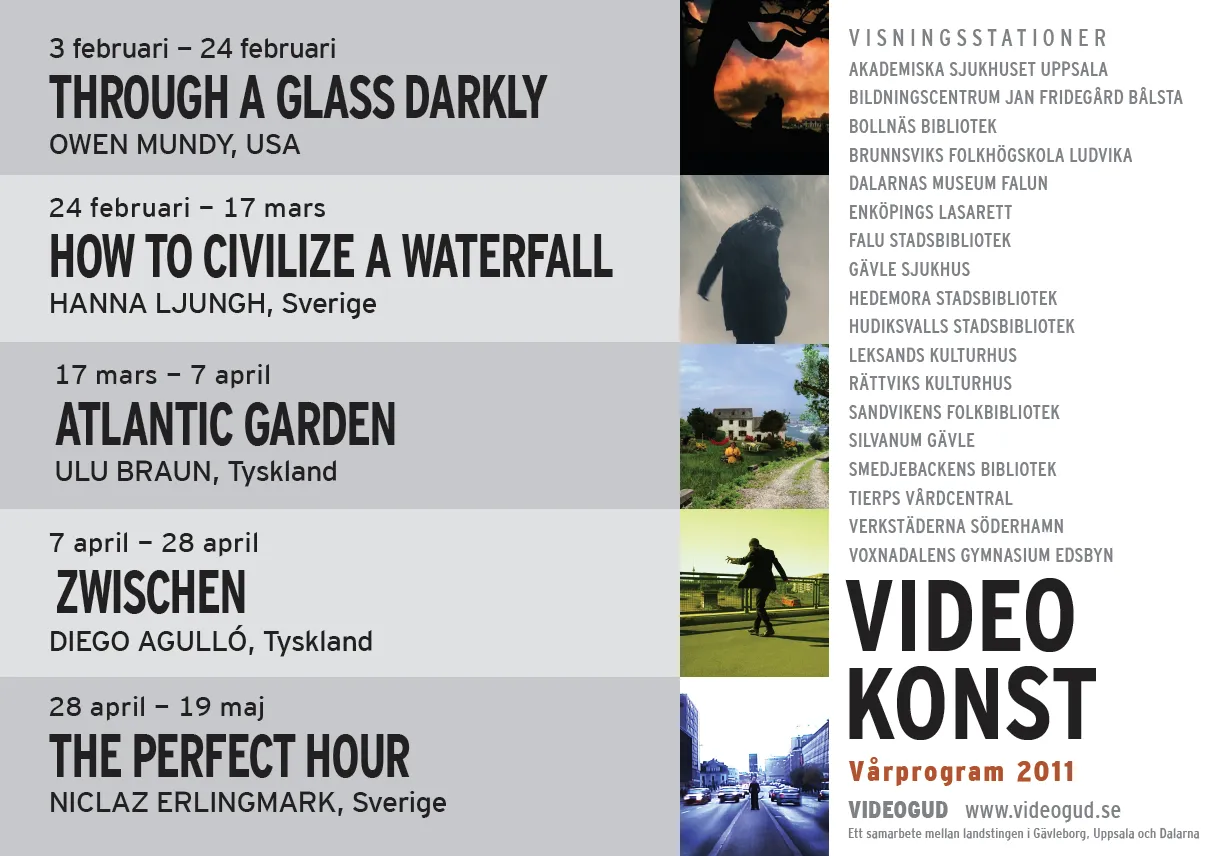
VIDEOGUD 2011

logo

VIDEOGUD SPRING 2011
Kultur i länet
Uppsala, Sweden

A collaboration between the county councils of Gävleborg, Uppsala, and Dalarna to show video art in public places – for example in libraries, schools and hospitals.

Konst Gävleborg - Videorummet

Arts Gävleborg – Video Room
Theme

The theme for this spring’s movies is the human relationship with the city and countryside. Whether the works in the spring program takes place on the coast, in town or in front of a waterfall as they all have in common that they are asking questions about how humans project the feelings and sentiments of the phenomena in nature and in the city.

Common to the five works is that the artists relate to the province or city as the work takes place in. The city or the countryside is not given to the works but its influence is being investigated.

The program begins with Owen Mundy film “Through A Glass Darkly” in which what we normally see as the wings – the landscape now is the focus, Mundy works followed by Hanna Ljungh settlement and dialogue with a waterfall. In Ulu Braun’s film “Atlantic Garden” meet people, landscapes and nature, reality and fiction.

The program concludes with two films “Zwischen” and “The Perfect Hour” which takes place in cities, one in Berlin, the others in Stockholm. In both works, you can choose to see the city as a backdrop or motaktör the main character.

darkly_still_topgun_800w

Still from Through A Glass Darkly
Through A Glass Darkly

(translated from Swedish)

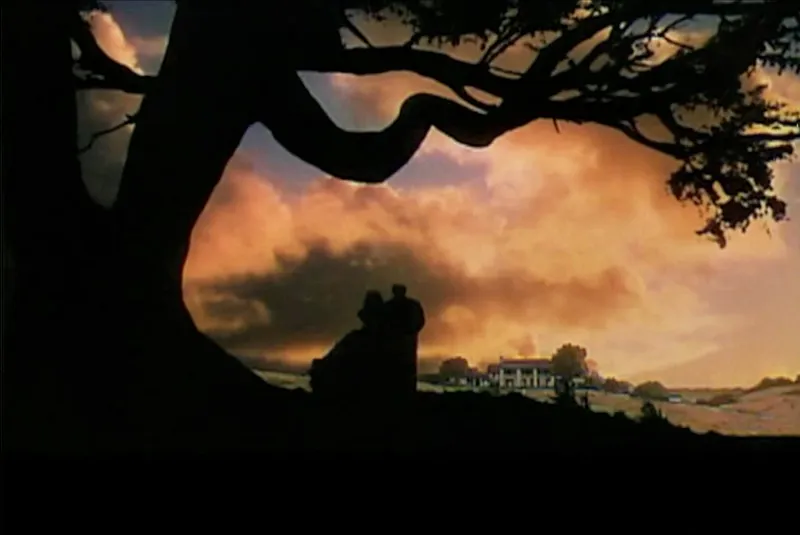
Through A Glass Darkly is a remix of the landscape of popular films depicting war. Eerily quiet, but also beautiful, creates images at a contrast between stillness and chaos, between beauty and destruction.

The films are chronologically compiled, ie. first clip is from a film about American War of Independence followed landscapes and scenes from movies depicting war and conflicts in the world until today. Taken out of context becomes important landscapes charged in themselves, while they remind us of nature as a battleground. Examples of some films that used in the work are The Patriot, Gone with the Wind, The Thin Red Line and Apocalypse Now.

Through A Glass Darkly is originally an English translation of a verse in the Bible’s Korinterbrev, in Swedish reads: “Now we see in a dim way, such as in a mirror, but then we shall see face to face.” Stanza, Breakthrough A Glass Darkly, has been used in the English translation of Ingmar Bergman’s film “Through a Glass Darkly.”

—Andreas Bjersby
Kultur i länet
Projektledare konst

Poster

poster

Program

3 Feb – 24 Feb
Through A Glass Darkly
Owen Mundy, USA

24 Feb – 17 Mar
How to Civilize A Waterfall
Hanna Ljungh, Sweden

17 Mar – 7 Apr
Atlantic Garden
Ulu Braun, Germany

7 Apr – 28 Apr
Zwischen
Diego Aguilló, Germany

28 Apr – 19 May
The Perfect Hour
Niclaz Erlingmark, Sweden

Display Stations

Gävleborg: Sandviken Public Libraries, Silvanum Gävle, Voxna Valley High School, Show Bilbliotek, Gävle Hospital, Hudiksvall Library, Workshops Port Hedland.

Uppsala: Uppsala University Hospital, Formation Center Jan Fridegård Bålsta, Enköping Hospital, Tierps clinic.

Dalarna County: Dalarna Museum, Falun Public Library, Old Meken Smederevo, Hedemora Public Library’s Cultural Right, Vansbro library.

inSCRIPTion: … text … image … action …

If you are in Los Angeles / Long Beach check out Keyword Intervention at this group show:

P1000865

inSCRIPTion: … text … image … action …
November 8th – December 9th
Opening Reception: November 9, 2010 (3-7 pm)

Cerritos College Art Gallery
11110 Alondra Blvd
Norwalk, CA

The current ubiquity of transmediated and telepresential dialogues, most notably via the casual and partially-inscriptive technologies of computer-aided chat programs and cell-phone text messaging, certainly complicates the age-old distinction between written and oral communication, and between langue and parole. In part, this conceptual convergence is predicated on the collapsing of linguistic signifiers into the immanent patterns of (un)becomings inherent to computational code. In such an (intra-)active environment, the living fluidity of dialogue is often actualized by digits (a technophenomenological fusion of finger movement and binary language) and the lifeless permanence of inscription can manifest as a dynamic system of inSCRIPTion.

Reveling in the physical and conceptual opacity of words, the fourteen contemporary artists participating in inSCRIPTion at the Cerritos College Art Gallery, in aiming for a field of matrixial encounters, produce materialized event-scores that hover somewhere between notation and realization and which play games with language through transplantation into various deviant contexts. Some of the diverse multi-media works in the exhibition demand that the artist and/or viewer perform an action, while others emphasize the creative and performative act of reading itself. Still others contain moving, as opposed to static, text and/or process found language through a scripted algorithm. The end results of these (re)visualized schemas include readymade actions, speaking objects, and literal semiotic machines that nevertheless remain discursively framed, which is not to say trapped, by the nationalist, racial, gendered, and sexed, political/philosophical structures in which they are embedded.

P1000896

Participating Artists: Lisa Anne Auerbach, John Divola, Jonmarc Edwards, Mark Steven Greenfield, Jim Jenkins, Sherry Karver, Jason Manley, Katja Mater, Anna Mayer, Owen Mundy, Christina Ondrus, Lizabeth Eva Rossof, Cody Trepte, and Penny Young

Curated by James MacDevitt.

The Difference Between Then and Now

video_mockup_cropped

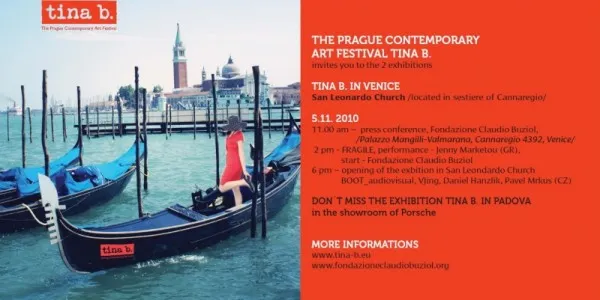
TINA-B Festival
Nostic Palace, Czech Ministry of Culture, Prague
October 7-24th, 2010

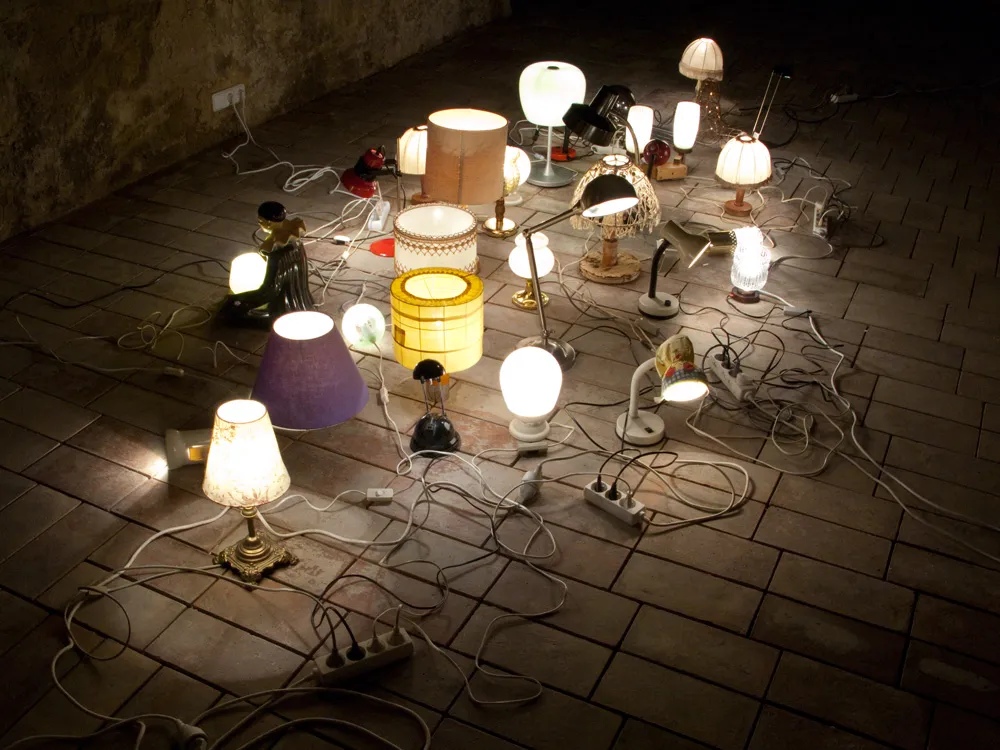
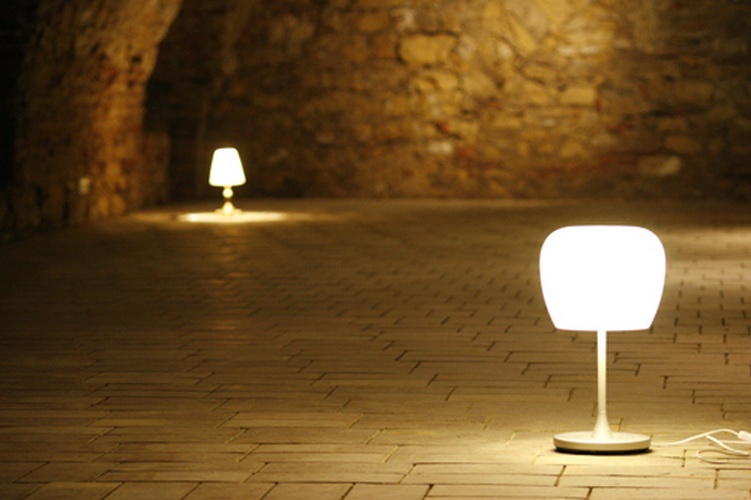
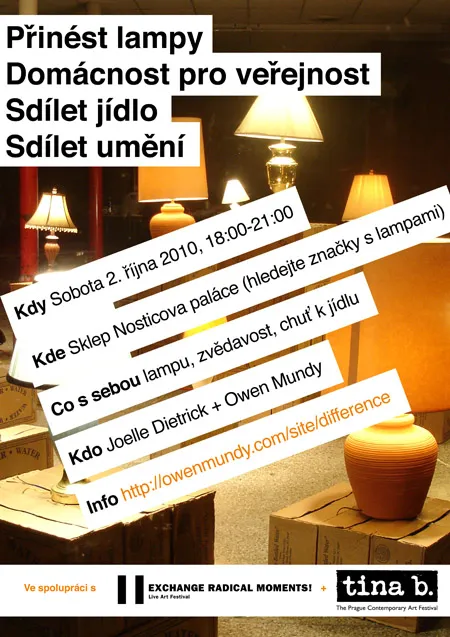
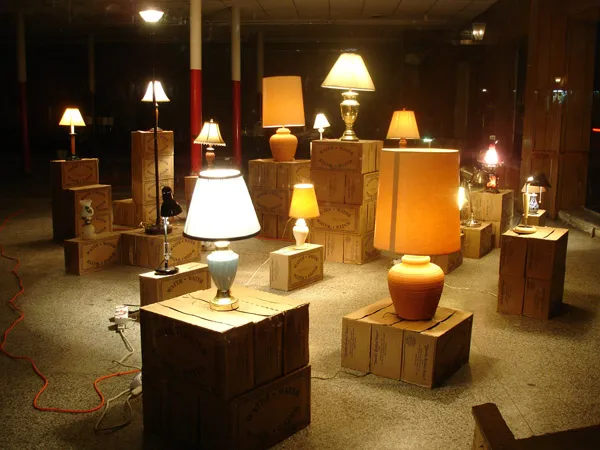
In the October 2010 TINA-B Contemporary Art Festival in Prague, Owen Mundy and Joelle Dietrick will re-stage their 2006 project The Darkest Hour is Just Before Dawn. Originally developed in York, Alabama, USA, Owen Mundy and Joelle Dietrick borrowed lamps from the residents and installed them in an abandoned grocery store. Each lamp was set to turn on every night, and because of the inexactitude of the timers chosen, did so in an organic fashion, one by one, reflecting not only the participants in the community, but also the history of Alabama’s social movements. In an area where a nearby hazardous waste landfill caused the water undrinkable, the artists and the community collectively revived the vacant commercial space, removing roomfuls of damaged post-Katrina FEMA water boxes and transforming the downtown with the lamps, pulsing at their own pace, human in the imperfections and variety, and more powerful as a collection.

nostic_palace_S09_longview

As if a scientific study with controls, the re-staging of the project in Prague and Venice studies the nature of site-specific and community-based art. Both cities provide unusual cross-cultural comparisons about domestic settings and the cultural, geographical and political structures that affect private space. The 2006 installation developed before the U.S. housing crisis, and these 2010 installations will develop as the global economy still recovers from the impact of the current economic downturn. In this context, the simple gesture of gathering of everyday objects and spaces can yield unusual insights into common assumptions about micro-macros shifts—the individual and the state, private spaces and public concerns, local and global.

More information

_MG_8207

Recent and ongoing projects

Howdy, it’s been awhile since I last shared news about recent and ongoing projects. Here goes.

close-your-eyes-ac-direct-me-14_1000h

1. You Never Close Your Eyes Anymore

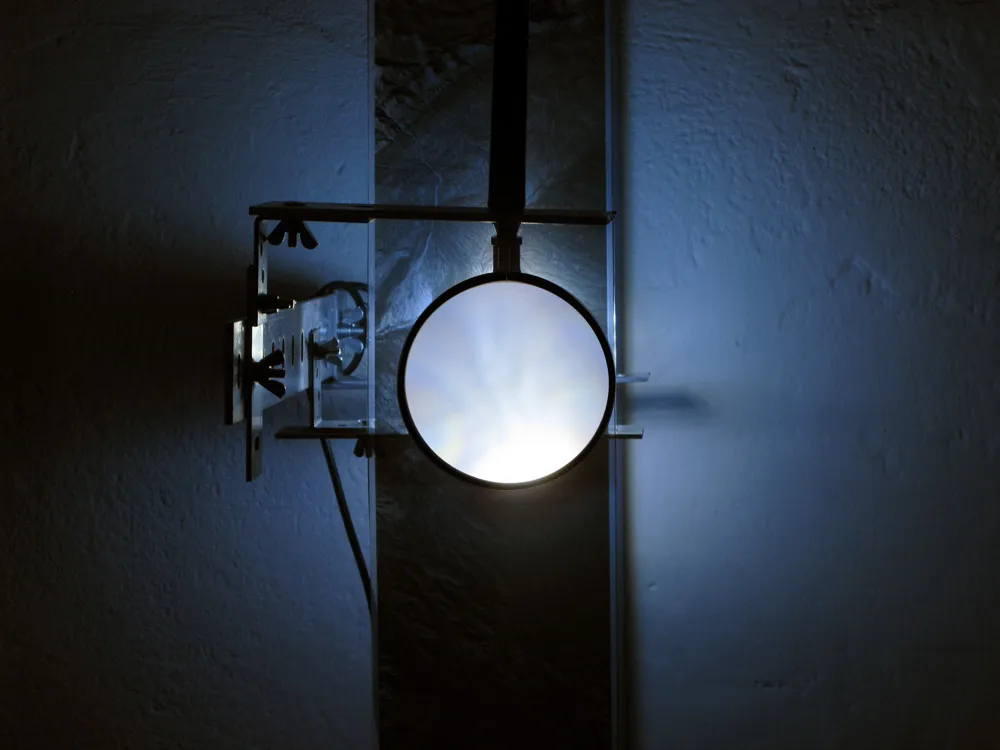
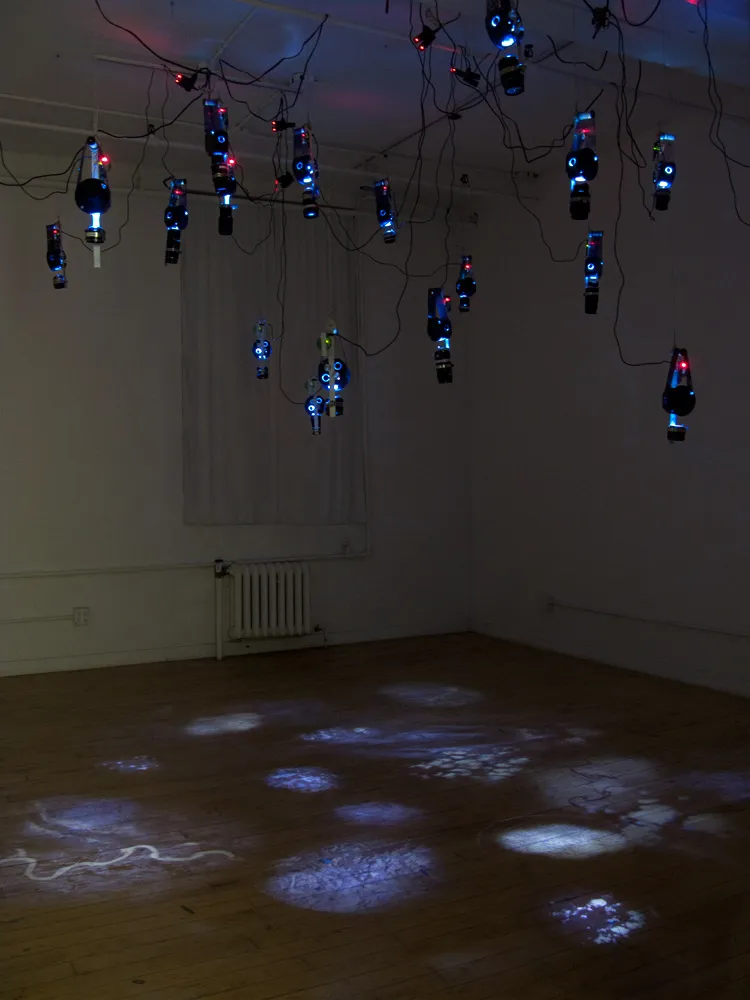
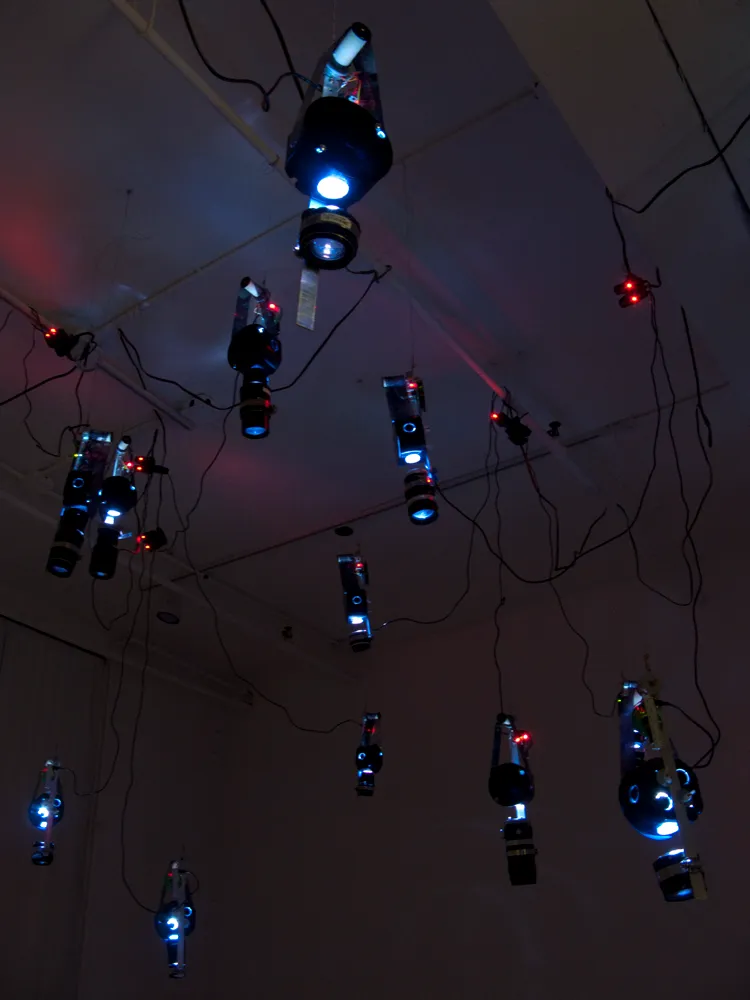
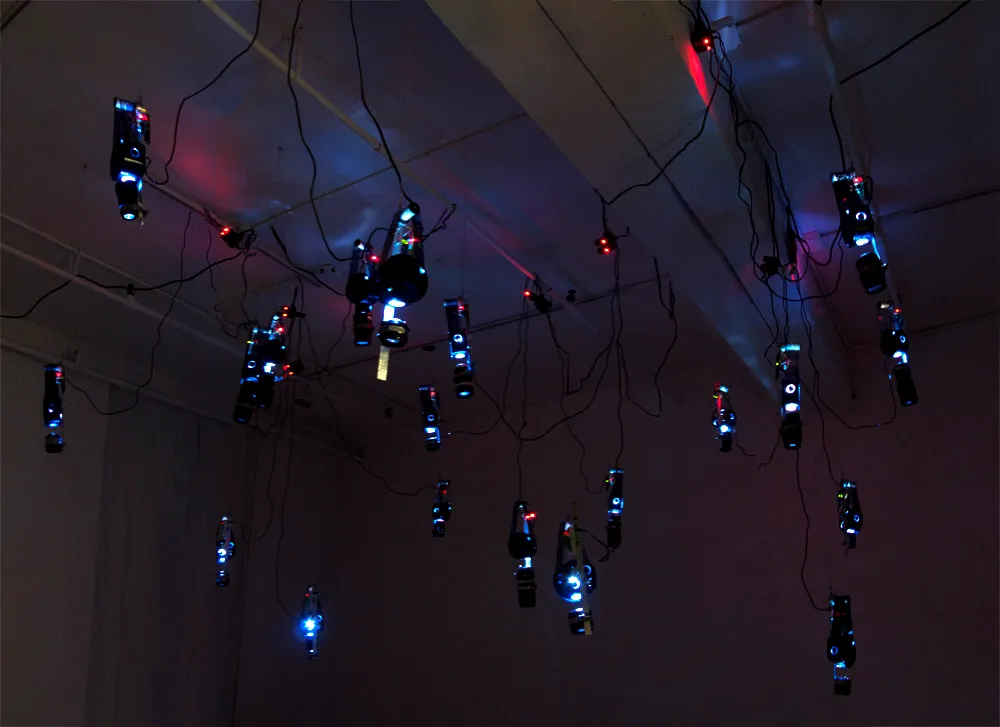
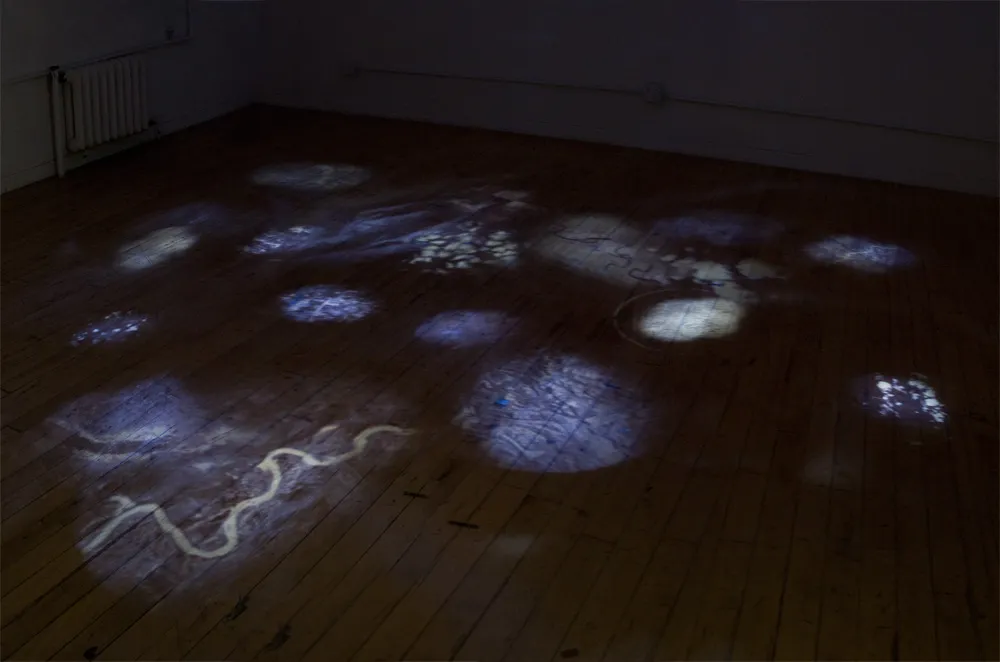
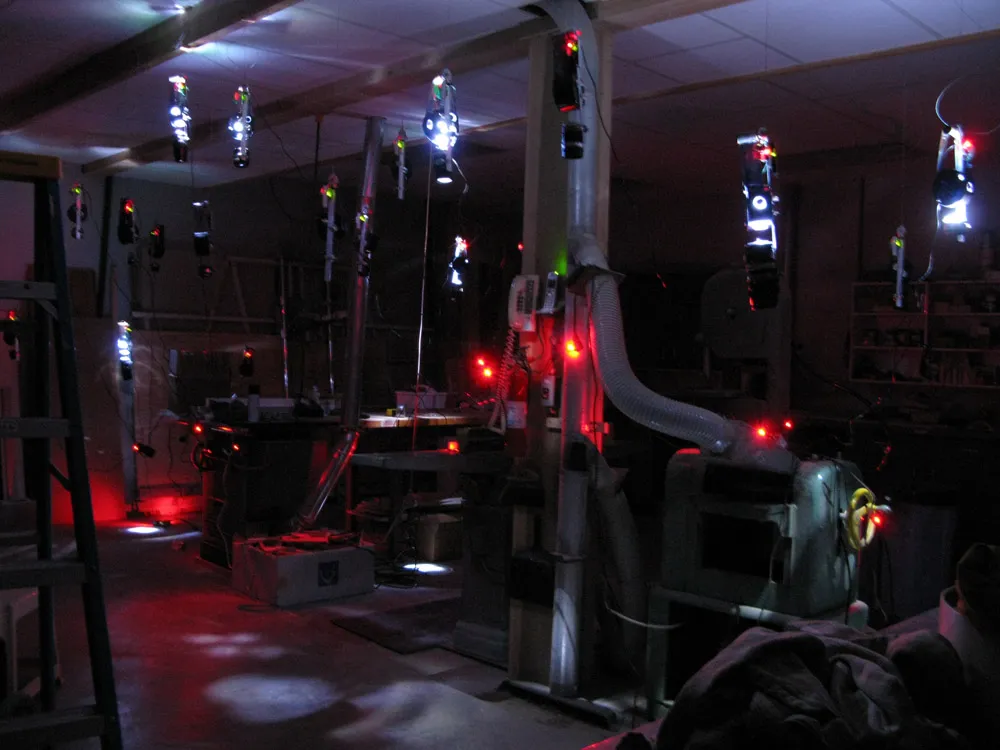
You Never Close Your Eyes Anymore is an installation that projects moving US Geological Survey (USGS) satellite images using handmade kinetic projection devices.

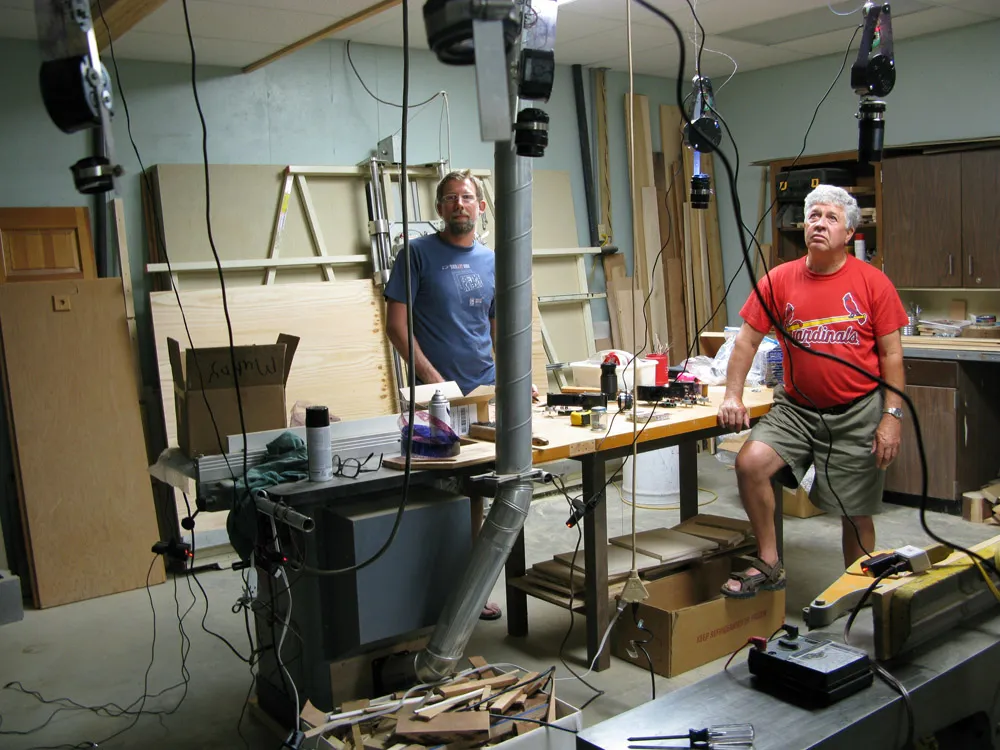
Each device hangs from the ceiling and uses electronic components to rotate strips of satellite images on transparency in front of an LED light source. They are constructed with found materials like camera lenses and consumer by-products and mimic remote sensing devices, bomb sights, and cameras in Unmanned Aerial Vehicles.

The installation includes altered images from various forms of lens-based analysis on a micro and macro scale; land masses, ice sheets, and images of retinas, printed on reflective silver film.

On display now until July 31 at AC Institute 547 W. 27th St, 5th Floor
Hours: Wed., Fri. & Sat.: 1-6pm, Thurs.: 1-8pm

New video by Asa Gauen and images
http://owenmundy.com/site/close_your_eyes

2. Images and video documentation of You Never Close Your Eyes Anymore will also be included in an upcoming Routledge publication and website:

Reframing Photography: Theory and Practice
by Rebekah Modrak, Bill Anthes
ISBN: 978-0-415-77920-3
Publish Date: November 16th 2010
http://www.routledge.com/books/details/9780415779203/

gmmdlogo

3. Give Me My Data launch

Give Me My Data is a Facebook application designed to give users the ability to export their data out of Facebook for any purpose they see fit. This could include making artwork, archiving and deleting your account, or circumventing the interface Facebook provides. Data can be exported in CSV, XML, and other common formats. Give Me My Data is currently in public-beta.

Website
http://givememydata.com/

Facebook application
http://apps.facebook.com/give_me_my_data/

logo_nyt

4. Give Me My Data was also covered recently by the New York Times, BBC, TechCrunch, and others:

Facebook App Brings Back Data by Riva Richmond, New York Times, May 1, 2010
http://gadgetwise.blogs.nytimes.com/2010/05/01/facebook-app-brings-back-data/

Picture 6

5. yourarthere.net launch

A major server and website upgrade to the yourarthere.net web-hosting co-op for artists and creatives. The new site allows members of the community to create profiles and post images, tags, biography, and events. In addition to the community aspect, yourarthere.net is still the best deal going for hosting your artist website.

Website
http://yourarthere.net

More images
http://owenmundy.com/site/design_yourarthere_net

americans_nwfsc_0033_1000w

6. The Americans

The Americans is currently on view at the Northwest Florida State College in Niceville, FL. It features a new work with the same title.

More images
http://owenmundy.com/site/the-americans

bb101_schematic_oblique

7. Your Art Here billboard hanger

I recently designed a new billboard hanging device and installed it in downtown Bloomington, IN with the help of my brother Reed, and wife Joelle Dietrick.

Stay tuned here for news about Your Art Here and the new billboard by Joelle Dietrick.
http://www.facebook.com/pages/Your-Art-Here/112561318756736

lockheedmartin.com_sitemap_20091214_red_800w

8. Finally, moving to Berlin for a year on a DAAD fellowship to work on some ongoing projects, including Automata.

More images
https://owenmundy.com/blog/2010/07/new-automata-sitemaps/

I’ll be giving a paper about Automata at the upcoming ISEA2010 conference in Ruhr, Germany.
http://www.isea2010ruhr.org/conference/tuesday-24-august-2010-dortmund

Many thanks to Chris Csikszentmihályi, Director of the Center for Future Civic Media http://civic.mit.edu/ , for inviting me to the MIT Media Lab last August to discuss the project with his Computing Culture Group: http://compcult.wordpress.com/

Everything You Ever Wanted to Know But Were Afraid to Ask

Joelle Dietrick and I sent images this week to two international group shows at the Golden Thread Gallery in Belfast, Northern Ireland, U.K. and the Raccolte Frugone Museum in Genoa, Italy. We were invited to submit proposals that “could not be realized” to Sean Miller, who curated the exhibitions as part of his John Erickson Museum of Art project.

oj_JEMA_right-front_1000w

Our process involved first constructing a 3-dimensional model of the space. I did this using Google SketchUp.

oj_JEMA_right-back_1000w

A different view of the final model.

oj_JEMA_multi_1000w

The first work, Everything You Ever Wanted to Know But Were Afraid to Ask, constructed inside the space using SketchUp.

Following are the final works on paper.

multi_iso_top_1000w

Everything You Ever Wanted to Know But Were Afraid to Ask, 11×8.5″, archival inkjet on paper, 2010

multi_iso_left_1000w

Everything You Ever Wanted to Know But Were Afraid to Ask, 11×8.5″, archival inkjet on paper, 2010

multi_iso_right_1000w

Everything You Ever Wanted to Know But Were Afraid to Ask, 11×8.5″, archival inkjet on paper, 2010

furniture_iso_top_1000w

JEMA.3333, 11×8.5″, archival inkjet on paper, 2010

furniture_iso_left_1000w

JEMA.3333, 11×8.5″, archival inkjet on paper, 2010

furniture_iso_right_1000w

JEMA.3333, 11×8.5″, archival inkjet on paper, 2010

NC_CARD

Museum All-Over
June 4-August 29, 2010
John Erickson Museum of Art: Next Chapter and
Raccolte Frugone Museum
Genoa, Italy

Little Wonder
June 4-June 17, 2010
John Erickson Museum of Art: Next Chapter and
Golden Thread Gallery
Belfast, Northern Ireland
U.K.

Photography (Basic) NAVEDTRA 12700

navedtra_7-7_ruleofthirds

I’m working on a new project to recreate a military portrait studio encountered during my previous life as a Navy photographer. In June 2010 I will install it in a solo exhibition at Holzhauer Gallery, Northwest Florida State College in Niceville, Florida, nestled neatly at the edge of Eglin Air Force Base, the “largest air base in the free world.” (quoted from a display at the nearby Air Force Armament Museum)

The project is inspired by rediscovering the Navy photo manual that was issued to me in April 1993 when I entered A-school at the Defense Photography School in Pensacola, FL. The inspiration for this project comes from chapter 7. There are also a lot of great illustrations and photographs including:

  • Page 5-2 has drawings of “photo techniques.”
  • Page 4-30 has an image (from a 4×5 view camera) of the school I went to.
  • Page 6-12 has an example of the old “grip and grin” ceremony.

More updates on the project will follow soon.

navedtra_7-16_fulllengthphoto

navedtra_5-2

Space Relations: Joelle Dietrick, Owen Mundy, and Chad Erpelding

space_relations1

Space Relations
Joelle Dietrick, Owen Mundy, and Chad Erpelding
621 Gallery
February 5 – 26, 2010
OPENING: First Friday, February 5, 2010, 6-9p

621 Gallery is pleased to present Space Relations, an exhibition of new work by Joelle Dietrick, Owen Mundy, and Chad Erpelding, on view from February 5 through 26, 2010. An opening reception will be held on Friday, February 5th, from 6:00 to 9:00 p.m.

Space Relations presents an exhibition exploring new ways to think about space. The exhibition playfully recognizes how our experiences warp our understanding of place, especially during tough economic times when often power positions are reordered and people are displaced.

VideoChannel Cologne – Found Footage!

FFF – Found Footage Film collection
curated by Wilfried Agricola de Cologne

“Found footage is a filmmaking term which describes a method of compiling films partly or entirely of footage which has not been created
by the filmmaker, and changing its meaning by placing it in a new context. The term refers to the “found object” (objet trouvé) of art history.”

VAD – Video Art Database
VideoChannel Cologne – Found Footage!
http://and.nmartproject.net/?p=2770

Listed artists/directors:

Agricola de Cologne (Germany)
Borja Alexandre (Spain)
Michael Brynntrup (Germany)
Jon Keith Brunelle (USA)
Maria Canas (Spain)
Larry Caveney (USA)
Sebastian Clej (Romania)
John Criscitello (USA)
Dr. Boston (USA)
Bill Domokos (USA)
Angie Eng (USA)
Clint Enns (Canada)
Enrique Freaza (Spain)
Rajorshi Ghosh (USA)
Doron Golan (Israel)
Juan David Gonzalez Monroy (Colombia)
Grace Graupe-Pillard (USA)
Constantin Hartenstein (Germany)
Denise Hood (USA)
Leslie Huppert (Germany)
Andrea Huyoff (Germany)
Katrina Inagaki (USA)
Jeremiah Jones (USA)
Ellen Lake (USA)
Irad Lee (Israel)
Fumiko Matsuyama (Japan)
Alistair McClymont (UK)
Davor Sanvicenti (Croatia)
Alexander Mouton (USA)
Owen Mundy (USA)
Toban Nicols (USA)
Jonas Nilsson (SWE)
Jun Ho Oh (South Korea)
Renata Padovan (Brazil)
Lobo Pasolini (Brazil)
Johanna Reich (Germany)
Joao Ricardo (Portugal)
Jasper Rigole (Belgium)
Joshua Rosenstock (USA)
Benjamin Rosenthal (USA)
Anthony Rousseau (France)
Benjamin Schultz-Figueroa (USA)
Jennifer Schwed (USA)
Ran Slavin (Israel)
Dennis Summers (USA)
Sonja Vuk (Croatia)
Philip Widmann (Germany)
James Woodward (USA)
Andreas Zingerle (Austria)

Exchange Radical Moments!

erm magazin A3 rz1.2.indd

Joelle Dietrick and I have been selected to participate in the upcoming Europe-wide Art Festival Exchange Radical Moments! Organized by Austrian collective, Die Fabrikanten, the festival includes interdisciplinary projects exploring the nature of contemporary Europe and will culminate on 11.11.2011 as a moment of simultaneous fruition. Featured participants include Gabriela Gerber and Lukas Bardill; Scott Bunham and Juliane Stiegele. Download the promotional magazine here.

Joelle and I will be generating a project based on The Darkest Hour is Just Before Dawn, a redux if you will. More soon…

Original post here

Brief Notes on Days One and Two at TRANSITIO_MX, by Eduardo Navas

OwenJoelle

“Anemophilous Formula for Computer Art, 2007, by Joelle Dietrick and Owen Mundy. One of my five selections. It consists of a wall projection of Tallahassee’s airport lounge, which hosts a wall size photographic reproduction of Mcklay Gardens. The city is often bombarded with pollen during the month of March. The airport lounge offers a reference of nature in an artificial space. Under the concept of non-places, which was my curatorial thematic, this work was placed in Centro Multimedia’s hallway where people constantly walked, to emphasize the use of the original image in a “non-place.””
—Eduardo Navas

Reblogged from http://remixtheory.net/?p=394

TRANSITIO_MX 03 New Media Art and Video Festival: Autonomies of Disagreement

transitio

The International Festival of Electronic Arts and Video Transitio_mx is the most important platform in Mexico that expresses and analyses the contemporary practices of artistic creation with electronic media and digital culture. It has a biannual character and has three main activities: a symposium, an exhibition, a contest.

Curator’s Inauguration: * Dissent. Non places & Device Art * (first disagreement)

Artistas: Sabrina Raaf, Paul Ramírez Jonas, Carlos Rosas, Vicky Funari, Sergio De la Torre, Joelle Dietrick, Owen Mundy, Yuri Suzuki, Nova Jiang, Ariel Guzik y Gilberto Esparza.

Curaduría: Machiko Kusahara y Eduardo Navas

Activity: Muestra internacional

Venue: CENART/Galería Manuel Felguérez/Galería AB/Área de Camerinos

Subversive Correspondence

The Darkest Hour


Owen Mundy and Joelle Dietrick, The Darkest Hour is Just Before the Dawn, installation view, York, AL, 2006

A touring exhibition at Broadwalk Arts, Bristol then at The Willesden Gallery, London includes national and international artists and writers exploring the notion of connectivity, correspondence and dialogue entailing a subversive perspective to the theme.

Exhibition Details

Subversive Correspondence #1 Broadwalk Arts, Bristol, BS4 2QU.
Monday 20th July – Thursday 23rd July 2009

Subversive Correspondence #2
The Gallery at Willesden Green, 95 High Road, Willesden, London, NW10 2SF.
Wednesday 19th August- Wednesday 2nd September 2009
Private View 19th August 6-9pm

Curator: Diana Ali

Concept

The interpretations encounter political statements or disperse cultural observations; correspondence that is not immediate but perhaps depends on the contingencies of travel. Subversive systems of posting and collecting dialogue create the emergence of new narratives that are shared and reacted upon through hybrid texts, images and temporary ownership. Show cased as a touring exhibition at Broadwalk Arts, Bristol then at The Willesden Gallery, London, the works continue to explore language, visual interchange and systematic dialogues.

Alice Bradshaw
Aman Tadevosyan
Colin Andrews
Guy Bigland
Jacqueline Bradley
Johannes Gerard
Katie Watters
Kevin Timmins
Louise Tett
Mary Elizabeth Hubbard
Mary Rachel Fanning
Osvaldo Cibils
Owen Mundy and Joelle Dietrick
Ozzy Yorulmaz
Rachel Marsden
Robin Boothroyd
Sibyll Kalff
Ting
Tushar Waghela
Ziggy Evitts

Material Afterlife: An Exhibition of Recycled Art

IMG_0765

Opening Reception April 10, 6–9 PM
April 10–August 8

Material Afterlife explores the rich terrain developed by artists who address waste and need in society, are mindful of environmental cause and effect, and expand ideas of consumption through a cyclic approach of material use. This terrain has never been more fruitful than with the work of today’s artists. This exhibition will assert the growing relevance of artwork that examines environmental degradation, consumerism, personal value, and frugality, as well as celebrate the significance of recycling, sustainable methods, and thrift-store culture as medium and subject matter for artists.

Sculpture Key West 2009

Sculpture Key West

January 18—April 18, 2009

January 18—April 18, 2009
West Martello Tower

March 1—April 18, 2009
Ft. Taylor State Park

http://www.sculpturekeywest.com/

Artists:
Michael Berens, Liliana Crespi, Blane De St. Croix, Steven Durow and Jessica Cappiello, Cameron Gainer, Jamey Grimes, Julia Handschuh, Nathaniel Hein and Jennifer Gonzales, J. Susie Hwang, Thomas Lendvai, Norm Magnusson, Anja Marais, Jackson Martin, John Martini, Karen McCoy and Robert Carl, Lauren P. McAloon, Richard Medlock, Mary Mihelic, Owen Mundy and Joelle Dietrick, Lori Nozick, Ludwika Ogorzelec, Paige Pedri, Karlis Rekevics, Mike Ross, Nathalie Rozot, Diana Shpungin, Roy Staab, Andrea Stanislav, Dylan Terry and Cassidy Fry, Addison Walz, Stephan Weitzel

Review
Sculpture Key West 2009 By Christina Kee